
Muay Thai and kickboxing kit with gloves, shin guards and headgear
-
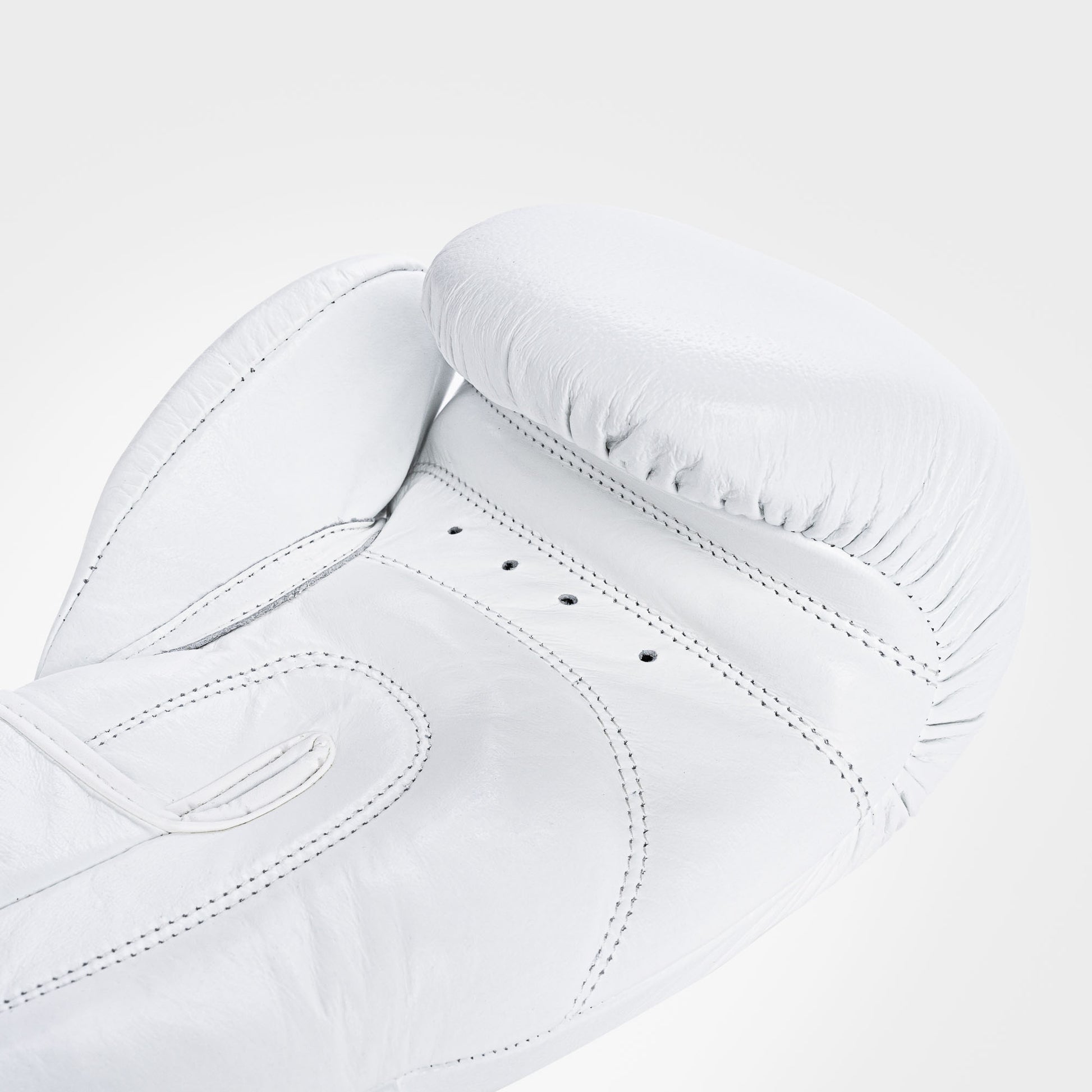
Genuine leather boxing gloves, headgear and shin guards for Muay Thai and kickboxing - white -
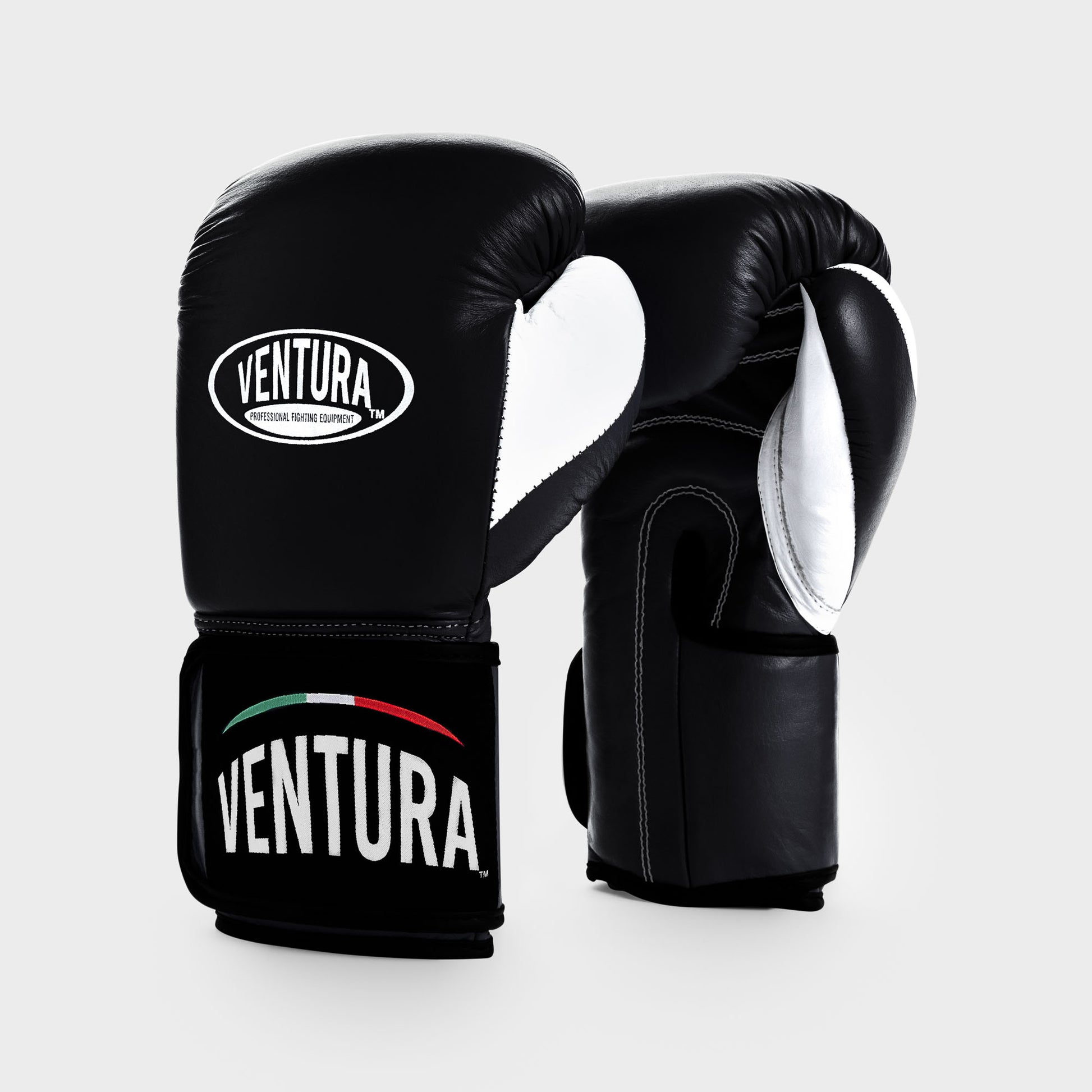
Genuine leather boxing gloves, headgear and shin guards for Muay Thai and kickboxing - black -
Genuine leather boxing gloves, headgear and shin guards for Muay Thai and kickboxing - purple -
Genuine leather boxing gloves, headgear and shin guards for Muay Thai and kickboxing - silver -
Genuine leather boxing gloves, headgear and shin guards for Muay Thai and kickboxing - arrow, matte black/glossy black -
Genuine leather boxing gloves, headgear and shin guards for Muay Thai and kickboxing - arrow, black/white -
Genuine leather boxing gloves, headgear and shin guards for Muay Thai and kickboxing - arrow, white/red
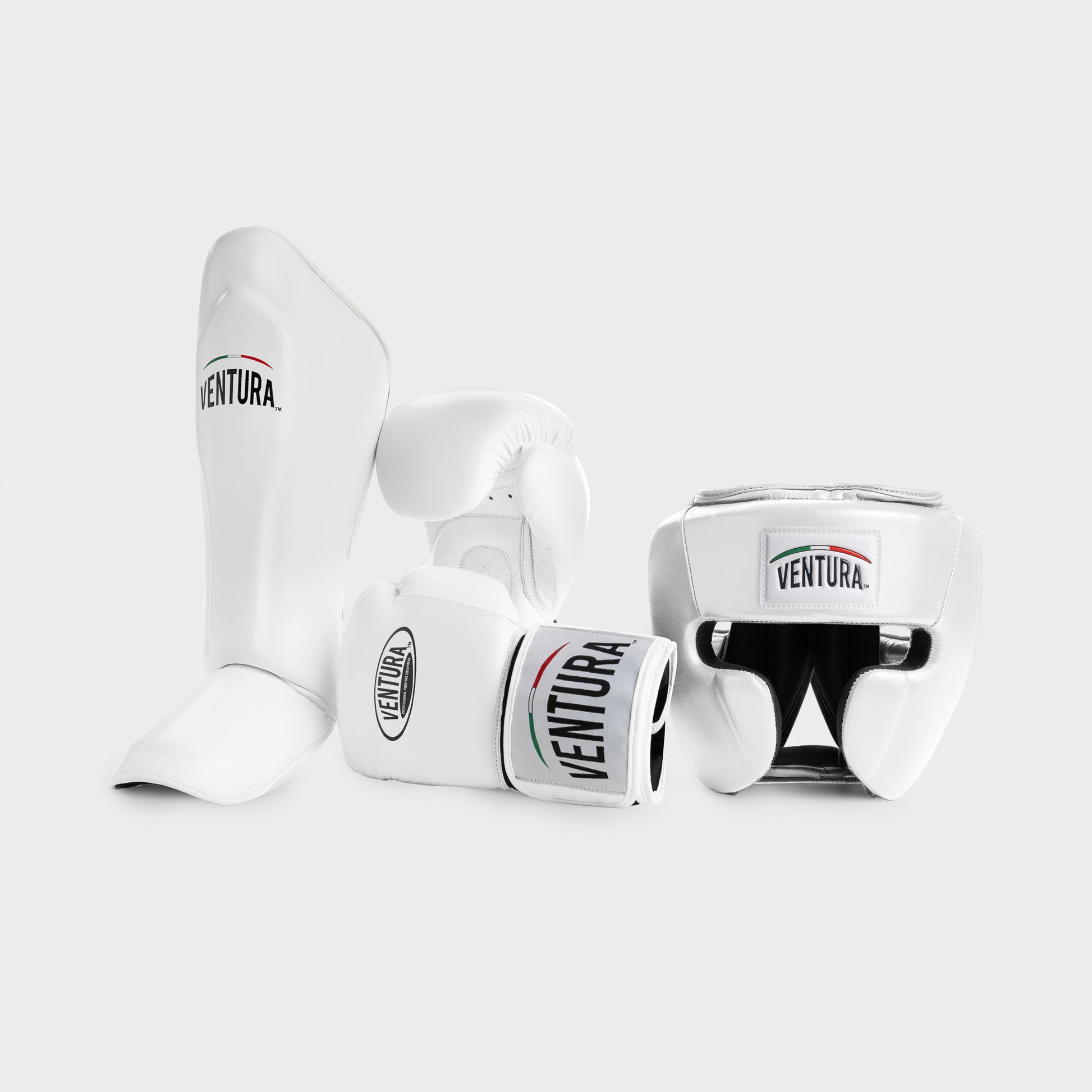
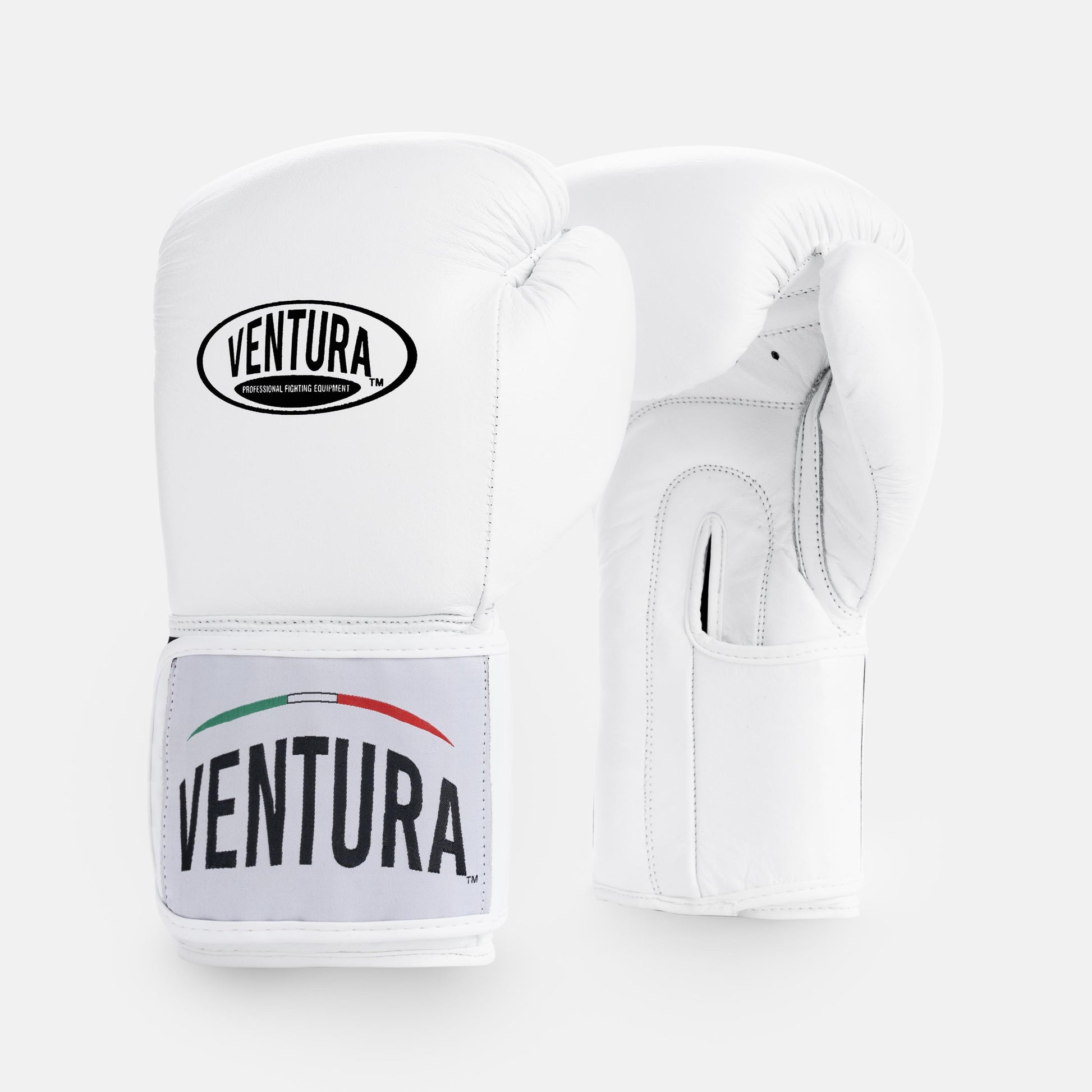

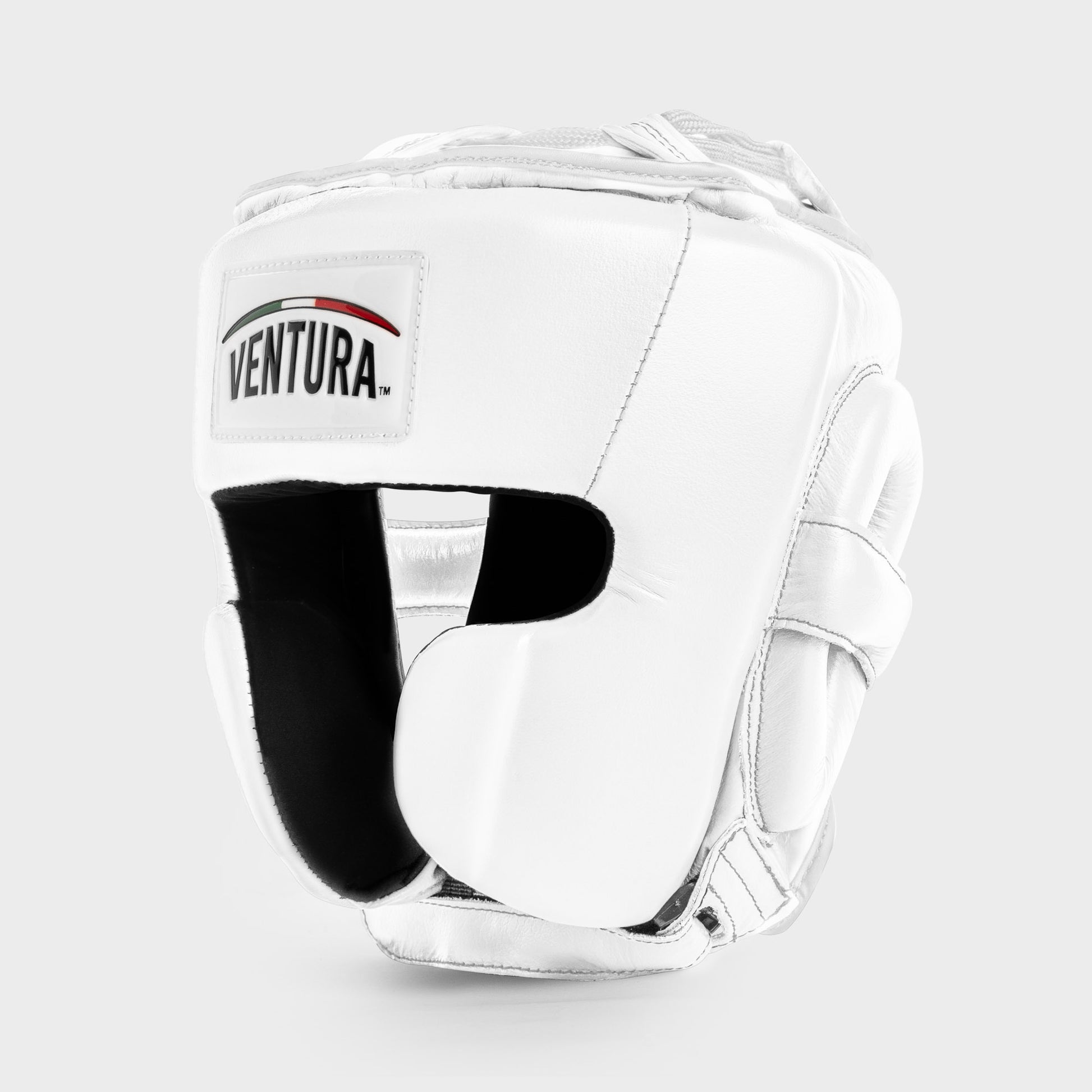
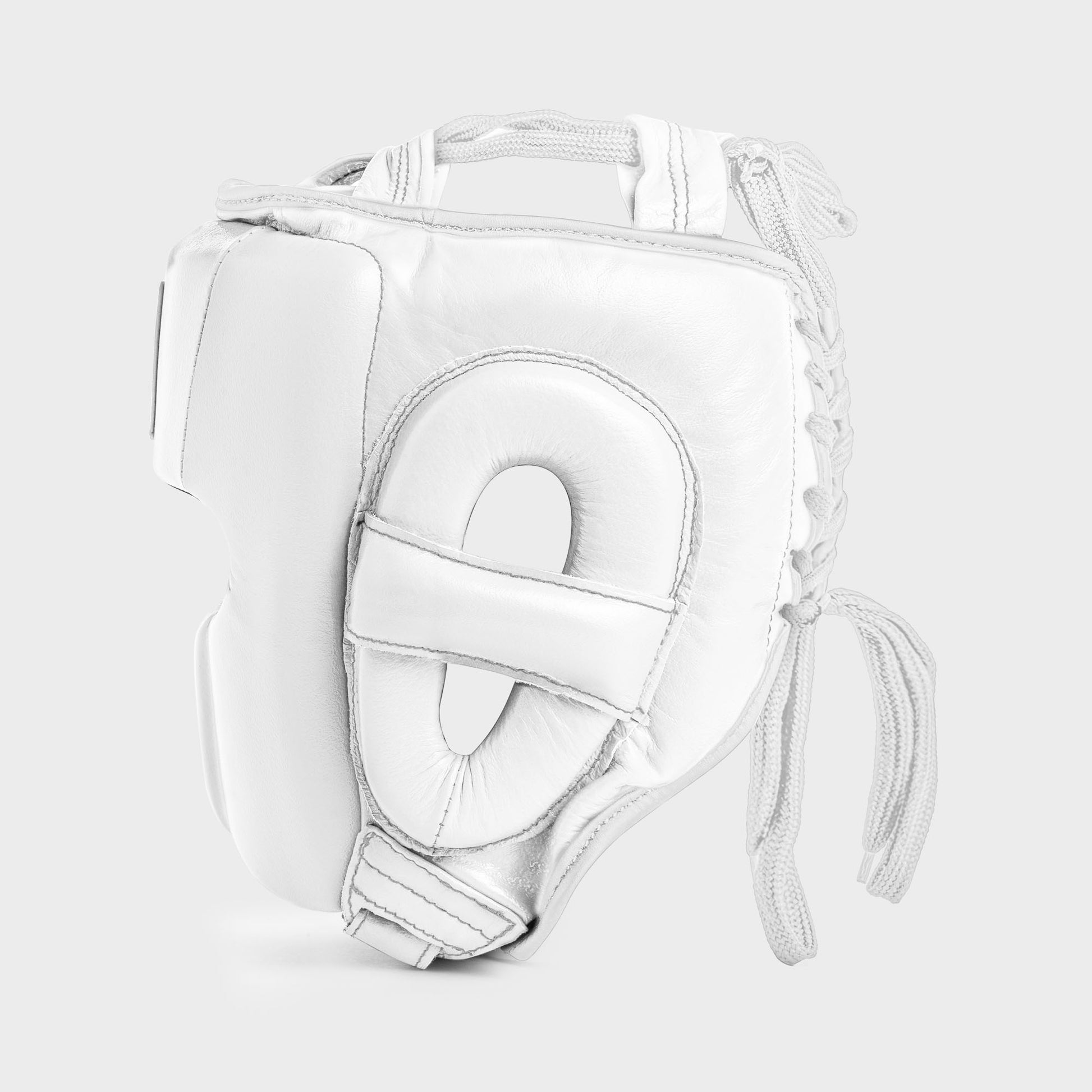


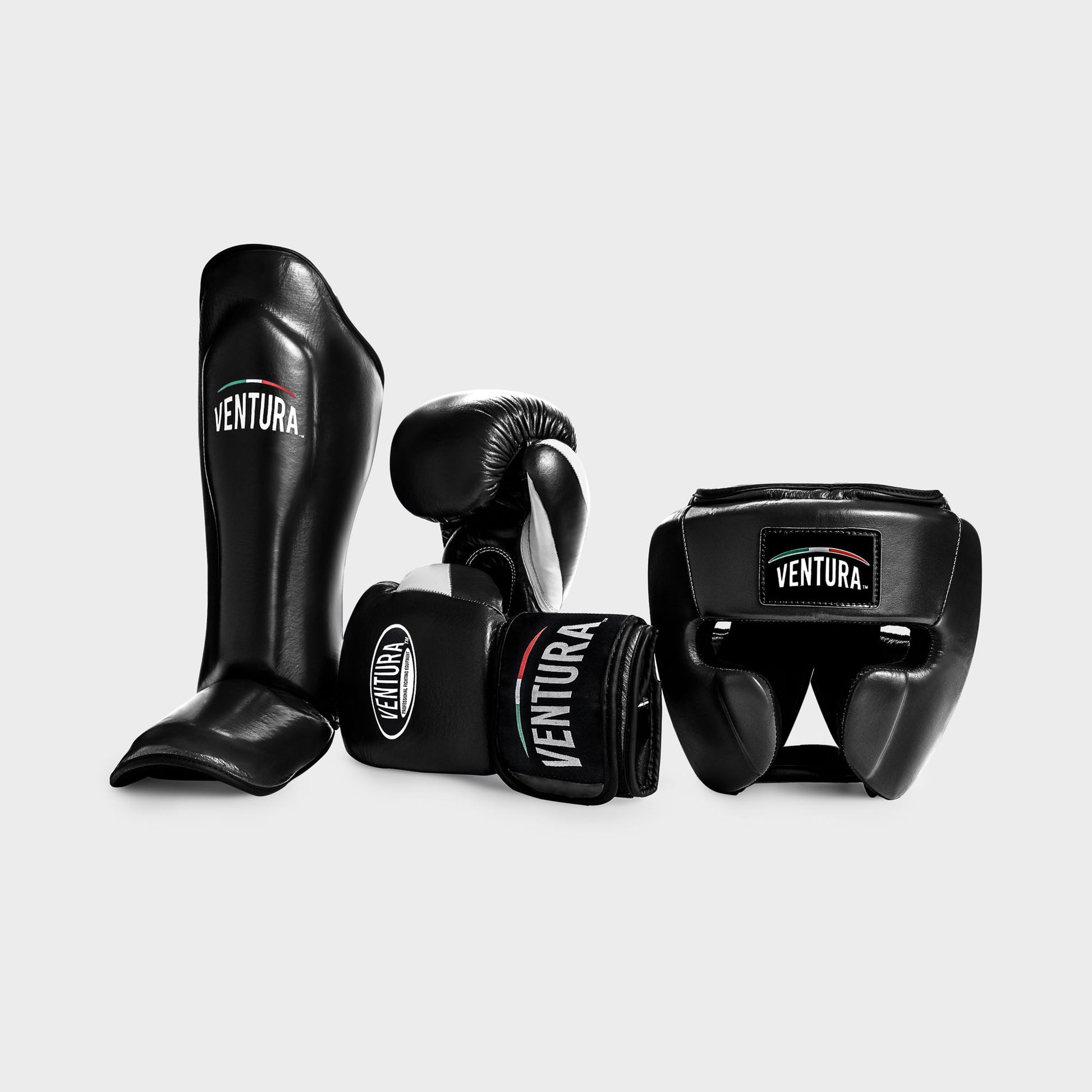

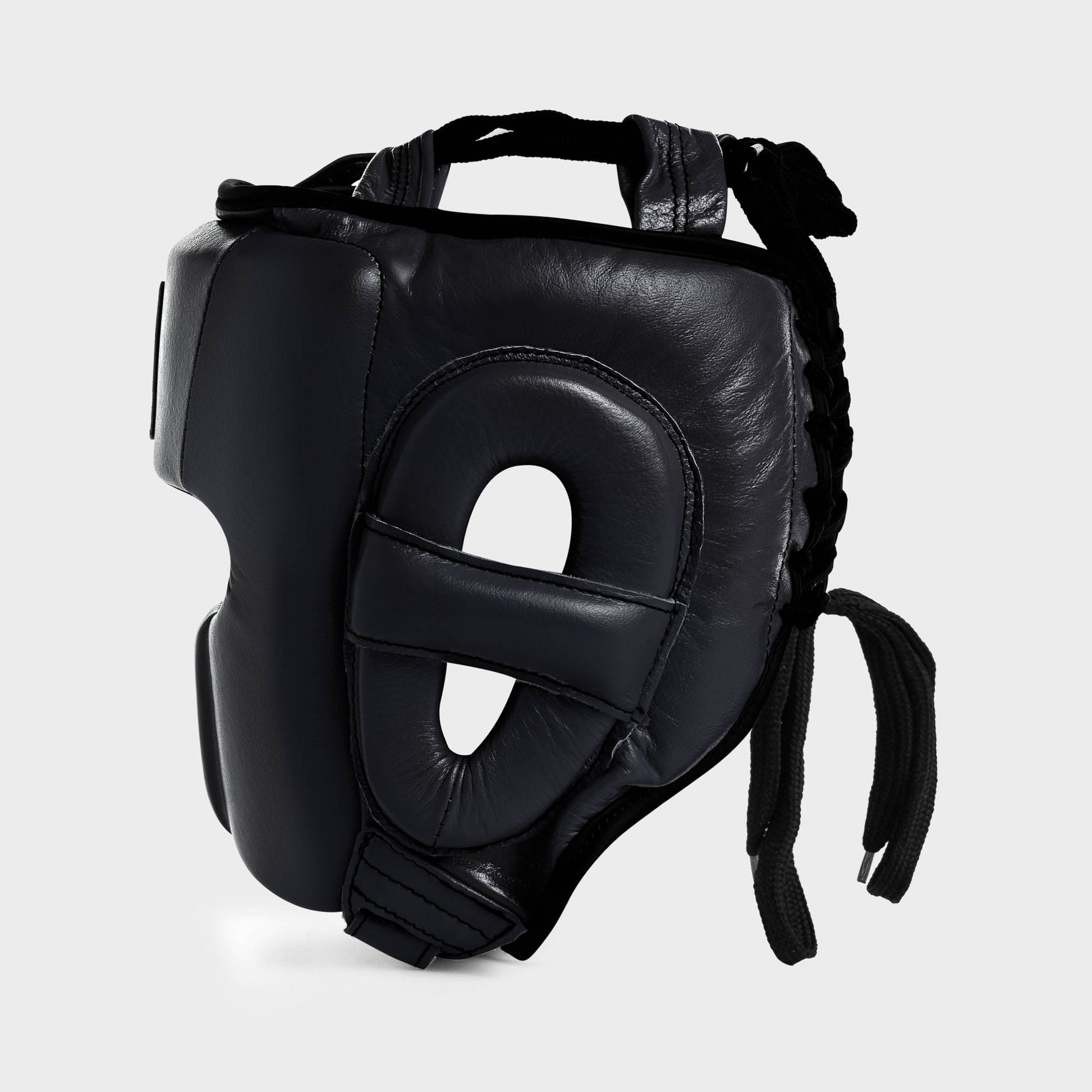
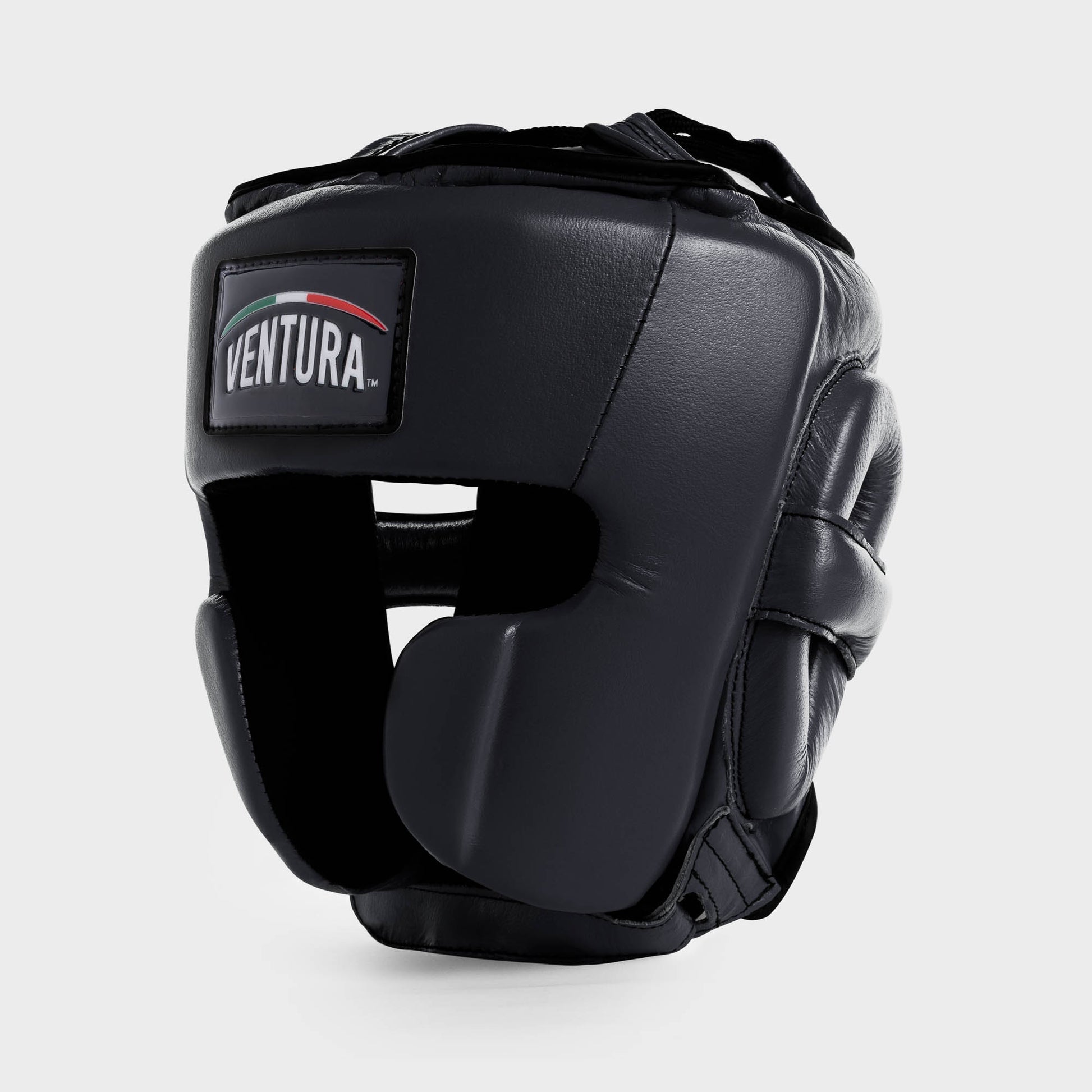

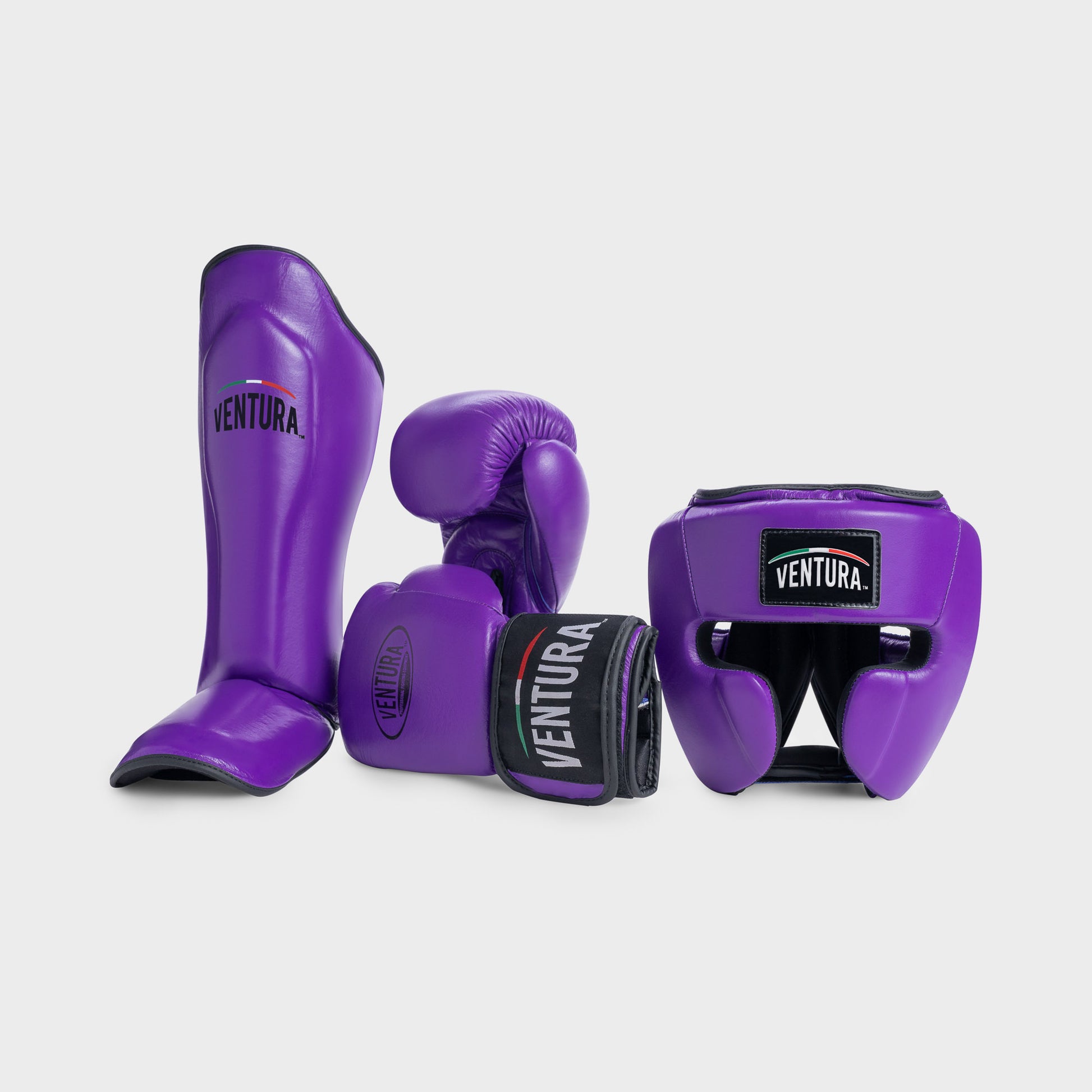
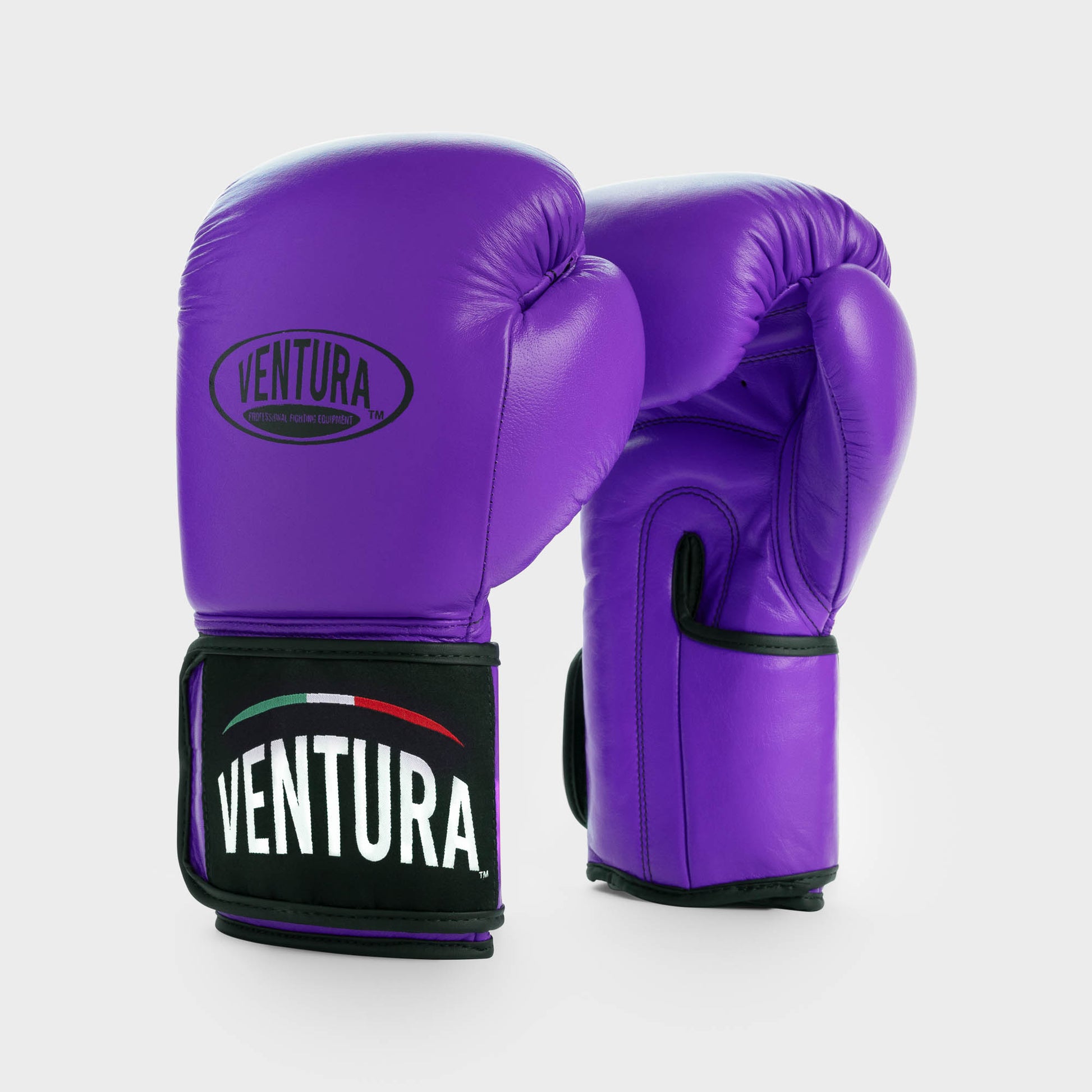

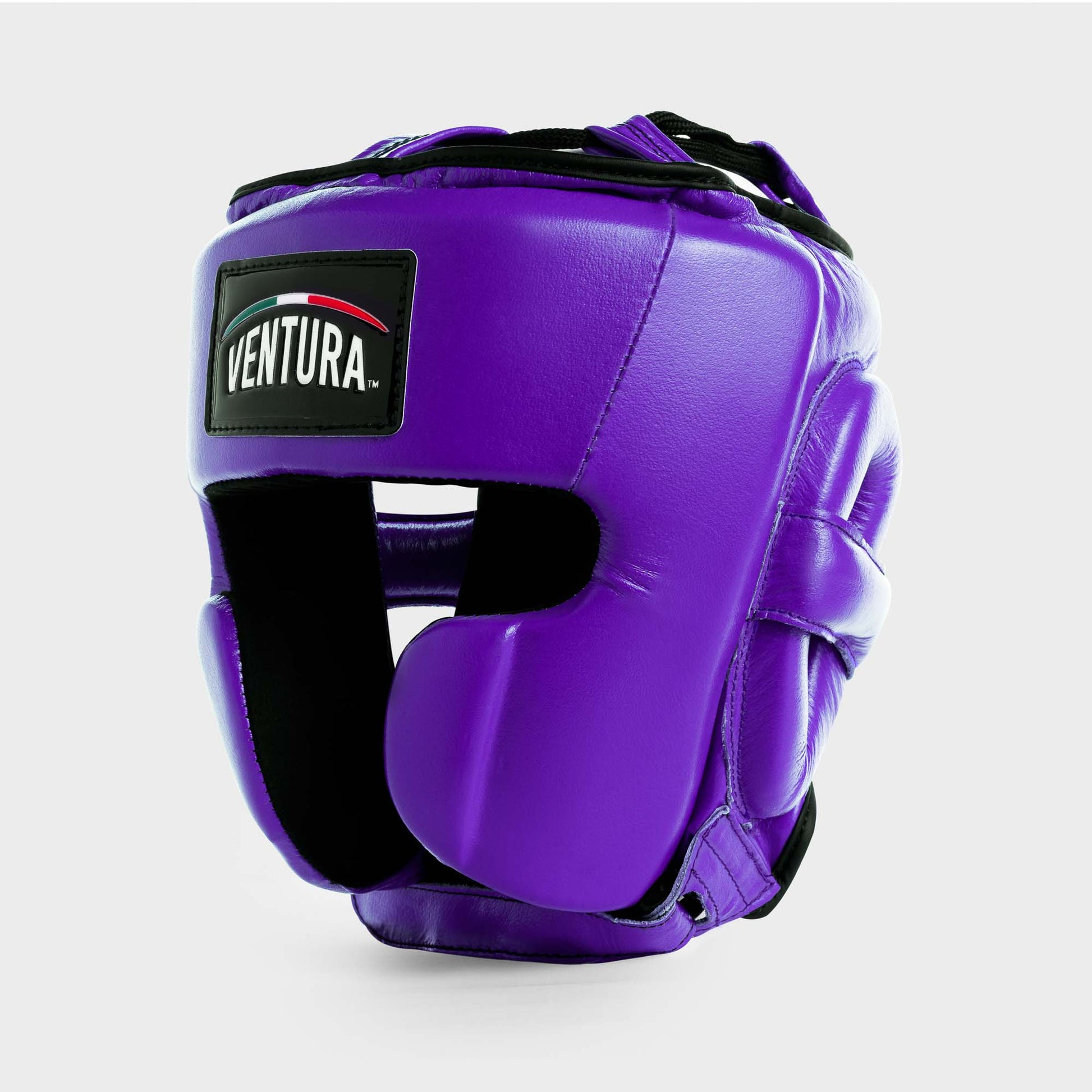
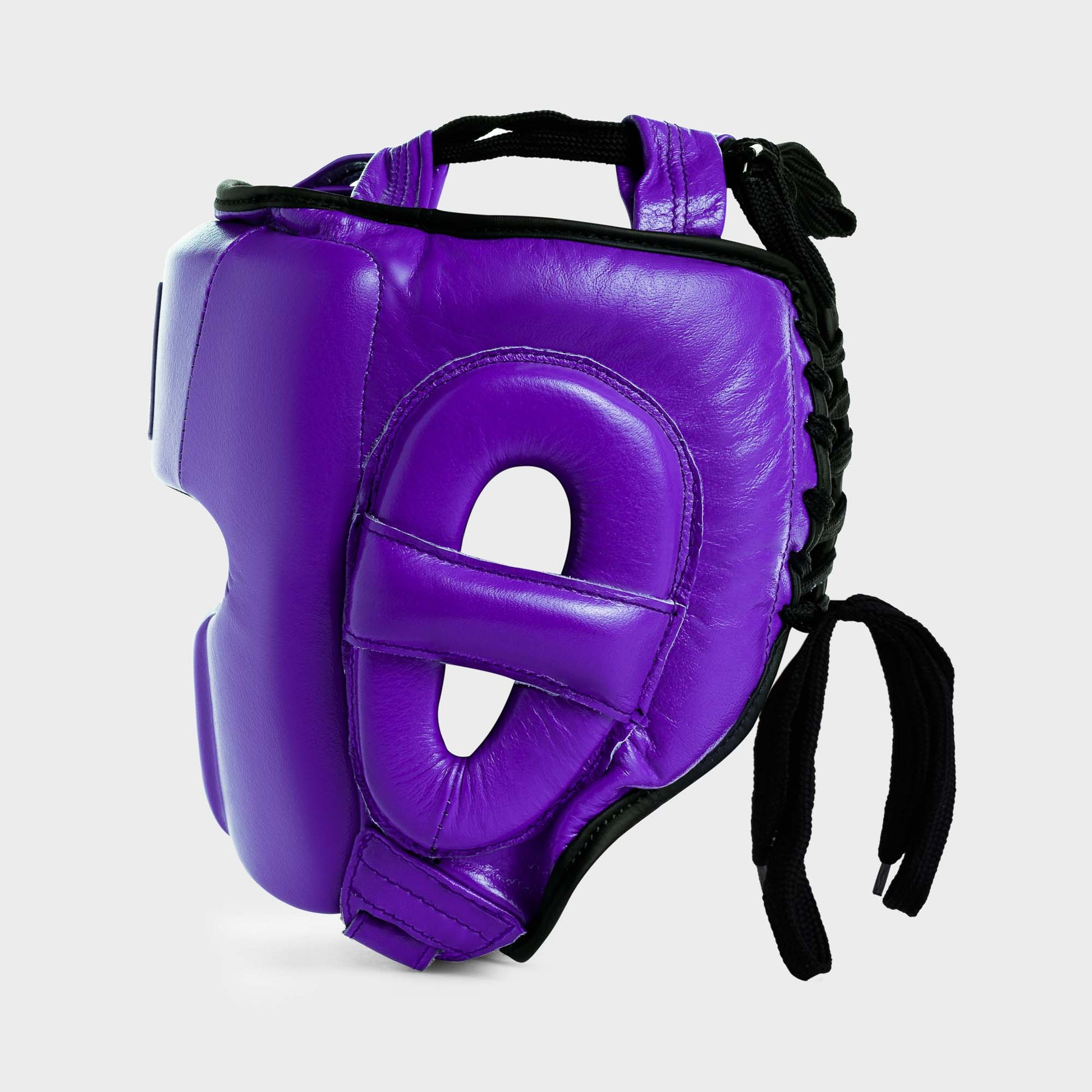

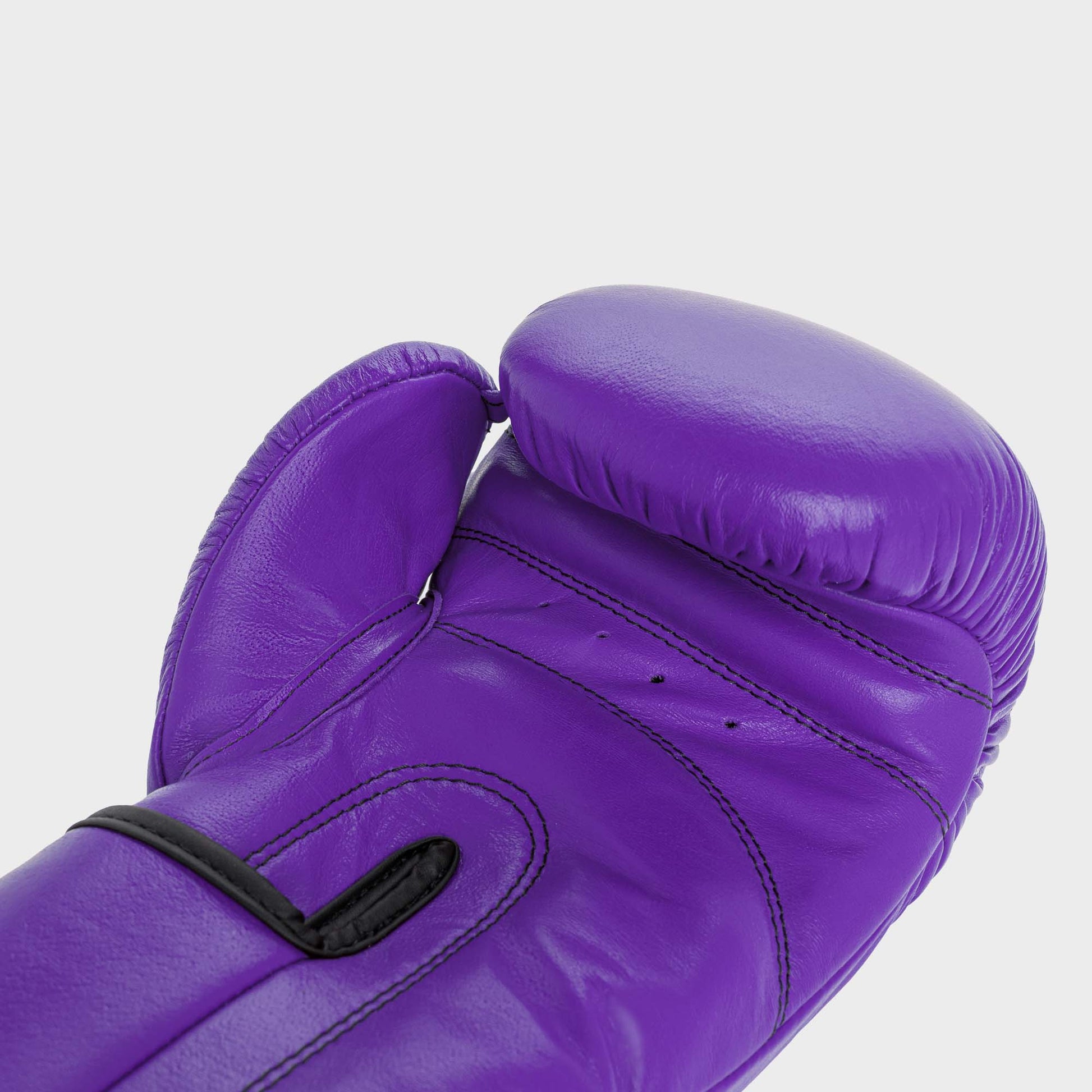


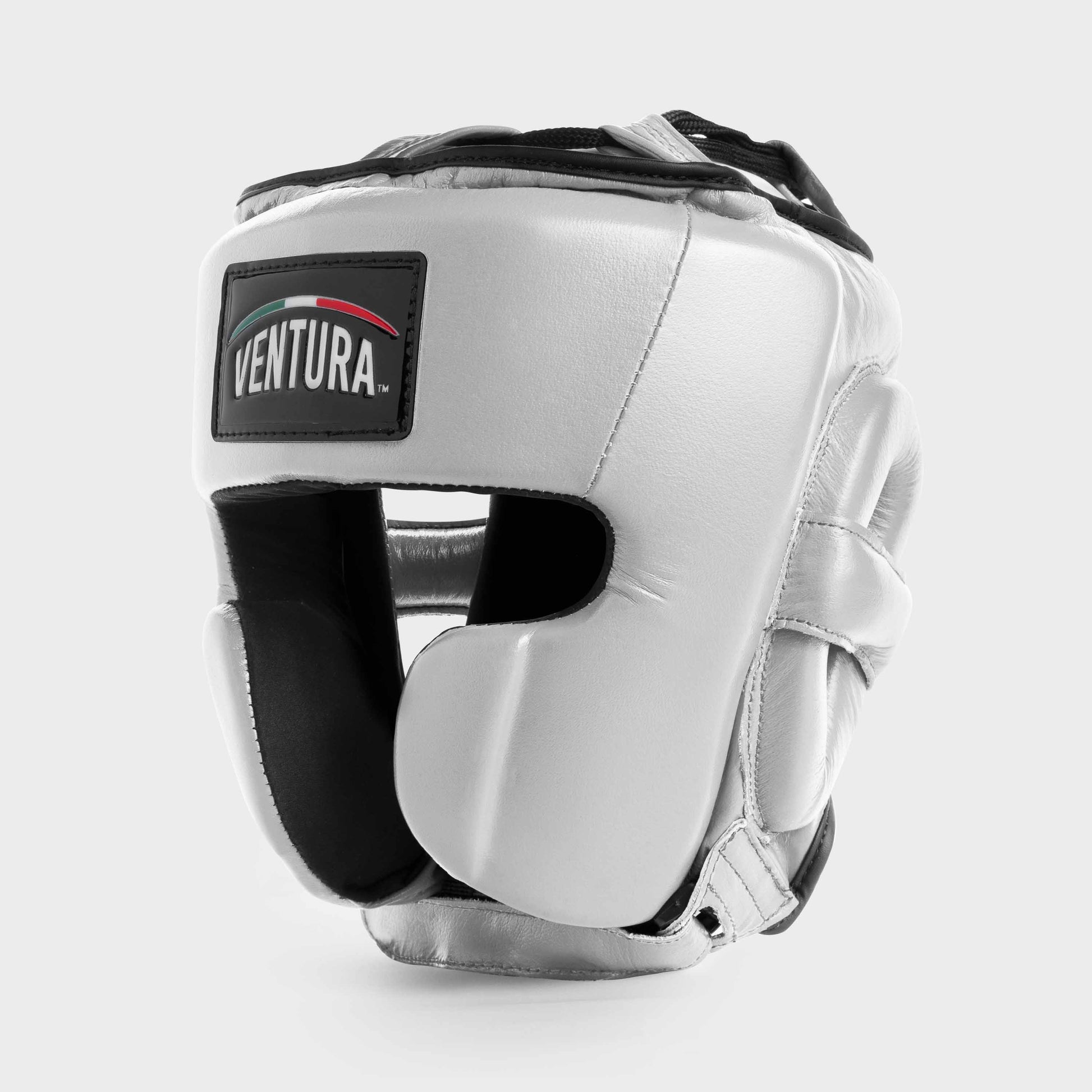


When the kit also includes the headgear, the reasoning must cover hands, shins and head within the same training setup. Gloves, shin guards and helmet are used in rounds where punches and kicks move together and sparring becomes more complete. Protection must follow the rhythm without making it harder to read the opponent or breaking combinations.
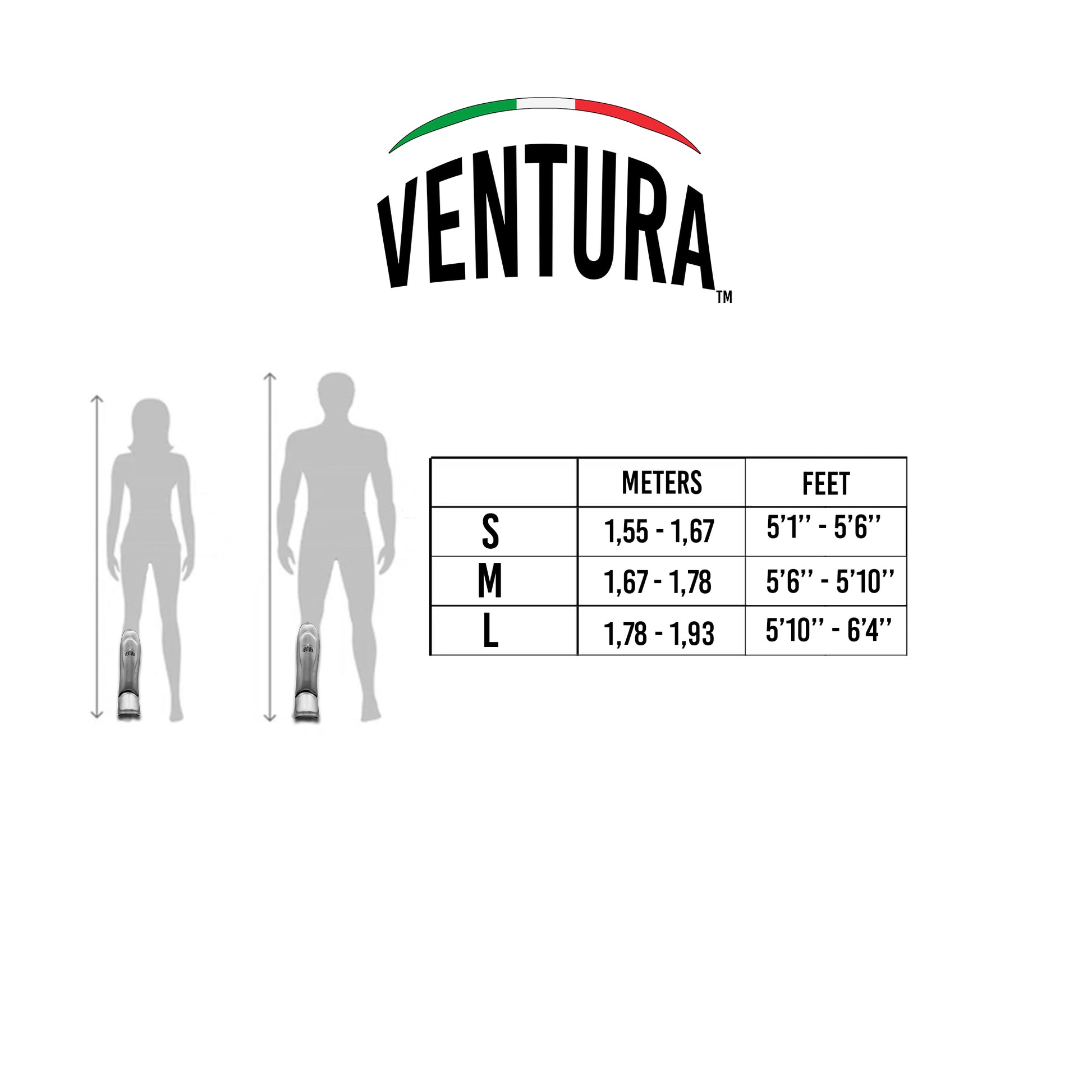
Before choosing, think about students who are starting complete sparring, regular athletes and gyms that recommend a single set. Check ounces, shin guard length, helmet size, closures and compatibility between the pieces. Underestimating the helmet because kicks seem to be the main problem is a mistake: in mixed rounds, the head is always involved.
In the training process, this kit lets you move from technical drills to more complete rounds without changing equipment. Its value grows after weeks of use, when every protection must stay stable despite sweat and rhythm. A set without obvious weak points simplifies technique, conditioning and sparring while keeping habits consistent.
Maintenance of a kit with several padded parts
Every session leaves moisture, friction and small marks to check on the kit with gloves, shin guards and headgear. The practical rule is to separate the three pieces, open all closures and check the padding after the rounds. The advantage is felt at the following session, when you return to rounds where hand strikes, kicks and head protection coexist, and it reduces moisture build-up where discomfort and odours form. The post-training check of the kit with gloves, shin guards and headgear lets you intervene before the risk appears of adding the helmet without checking how it changes your vision before the next session.
Before entering the training room, prepare the material in an order that follows the lesson for the kit with gloves, shin guards and headgear. The most logical pairing is with shorts, mouthguard and groin guard to cover the rest of the session, preferring a few coherent elements over a full but disorganised bag. Before starting, check a stable trio: full gloves, firm shin guards and a helmet that lets you read distance. The set must support rounds where hand strikes, kicks and head protection coexist without interrupting the sequence you had planned. This organisation for the kit with gloves, shin guards and headgear helps you enter the work without doubts about what you are wearing or holding.
- check a stable trio: full gloves, firm shin guards and a helmet that lets you read distance before continuous exchanges
- test the product inside rounds where hand strikes, kicks and head protection coexist, not only when the body is rested
- let the material breathe by following this rule: separate the three pieces, open all closures and check the padding after the rounds
- do not base your choice on adding the helmet without checking how it changes your vision
When the headgear is also added to the set
The most useful check comes from the concrete situation: rounds where hand strikes, kicks and head protection must be coordinated. From there, you understand whether the Muay Thai and kickboxing kits with gloves, shin guards and headgear really respond with a stable trio: gloves that absorb, firm shin guards and a helmet that does not close off vision. Do not stop at the first feeling: simulate a complete round and check whether anything moves when you switch from kicks to punches. If the product remains stable during realistic movements, the choice becomes much more solid when you want to move in an orderly way from work on the pads to more realistic sessions where every protection has a responsibility.
Be careful not to add the helmet only afterwards, choosing it without considering the level of the other elements. The correct progression goes from pad work to more realistic sessions where every protection has a responsibility and takes into account what goes into the same bag: mouthguard, groin guard and roomy shorts to complete sparring work. Maintenance completes the reasoning, because you divide drying times and check Velcro, seams and padding after every intense session; a well-kept accessory preserves shape, hygiene and reliability for longer.
What to observe during longer sessions
A realistic check on the kit with gloves, shin guards and headgear comes from repetition. After a few sessions, you should still recognise a stable trio: full gloves, firm shin guards and a helmet that lets you read distance without forcing adjustments or compromises. This is the sign that the equipment supports rounds where hand strikes, kicks and head protection coexist and that the risk of adding the helmet without checking how it changes your vision remains under control.
Practical quality appears when the pace increases and concentration drops with the kit with gloves, shin guards and headgear. It means getting complete but still dynamic protection while you work on rounds where hand strikes, kicks and head protection coexist. The benefit disappears if you start adding the helmet without checking how it changes your vision, and the choice becomes clearer when you include at least one complete transition. When the behaviour of the kit with gloves, shin guards and headgear is predictable, recovery between actions also becomes more orderly.
When the equipment works well, the session flows with fewer interruptions for the kit with gloves, shin guards and headgear. Practical quality turns into complete but still dynamic protection during rounds where hand strikes, kicks and head protection coexist. Do not evaluate only the start of the kit with gloves, shin guards and headgear: check whether the setup remains clear as the session gets longer. If the feeling with the kit with gloves, shin guards and headgear gets worse during work, it is time to change the setup.
When you pack the bag, give priority to the pieces you will truly use for the kit with gloves, shin guards and headgear. Prepare first what is needed for rounds where hand strikes, kicks and head protection coexist, and leave out accessories that do not improve safety or continuity. The pairing with shorts, mouthguard and groin guard to cover the rest of the session must respond to the programme, not to an abstract idea of completeness. Check a stable trio: full gloves, firm shin guards and a helmet that lets you read distance before the warm-up. When the kit with gloves, shin guards and headgear is already ready, the work stays focused on posture, timing and control.
Preparation of the session matters more than it seems for the kit with gloves, shin guards and headgear. For this kit, the setup should be prepared in a precise order: move from the most obvious need toward the accessories that complete the routine. Shorts, mouthguard and groin guard to cover the rest of the session must not complicate the transition to rounds where hand strikes, kicks and head protection coexist. Checking a stable trio — full gloves, firm shin guards and a helmet that lets you read distance — avoids the mistake of adding the helmet without checking how it changes your vision and makes the kit with gloves, shin guards and headgear more essential in preparation and clearer during work.
Useful questions before purchase
When do you need to add the headgear to the kit?
When you start doing sparring or exercises with controlled shots to the head. If you only do shadow technique, it may not be a priority.
Why add the headgear to the set too?
When sparring becomes more complete, head, hands and shins must stay protected together. Natural leather gloves, solid shin guards and stable headgear create equipment that is more ready for intense rounds.
How do you know if the headgear is adjusted well?
It must stay firm when you move your head and leave good visibility. If it drops over the eyes, it must be adjusted or replaced with another size.
How do you organise drying after a long class?
Open every closure and lay the pieces out separately. Gloves and helmet must not trap sweat inside each other.