
Shin guards for Muay Thai, kickboxing and MMA
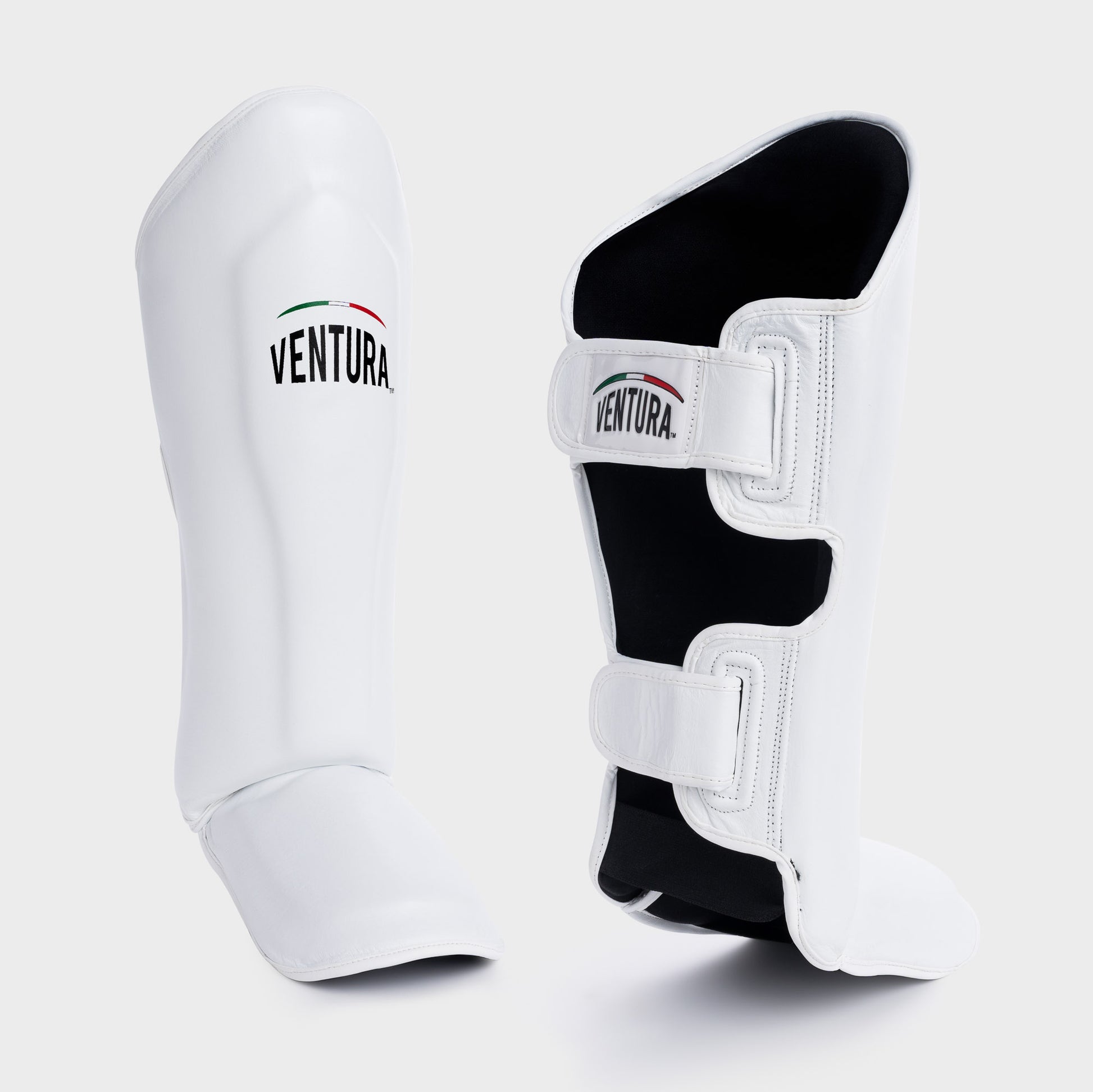
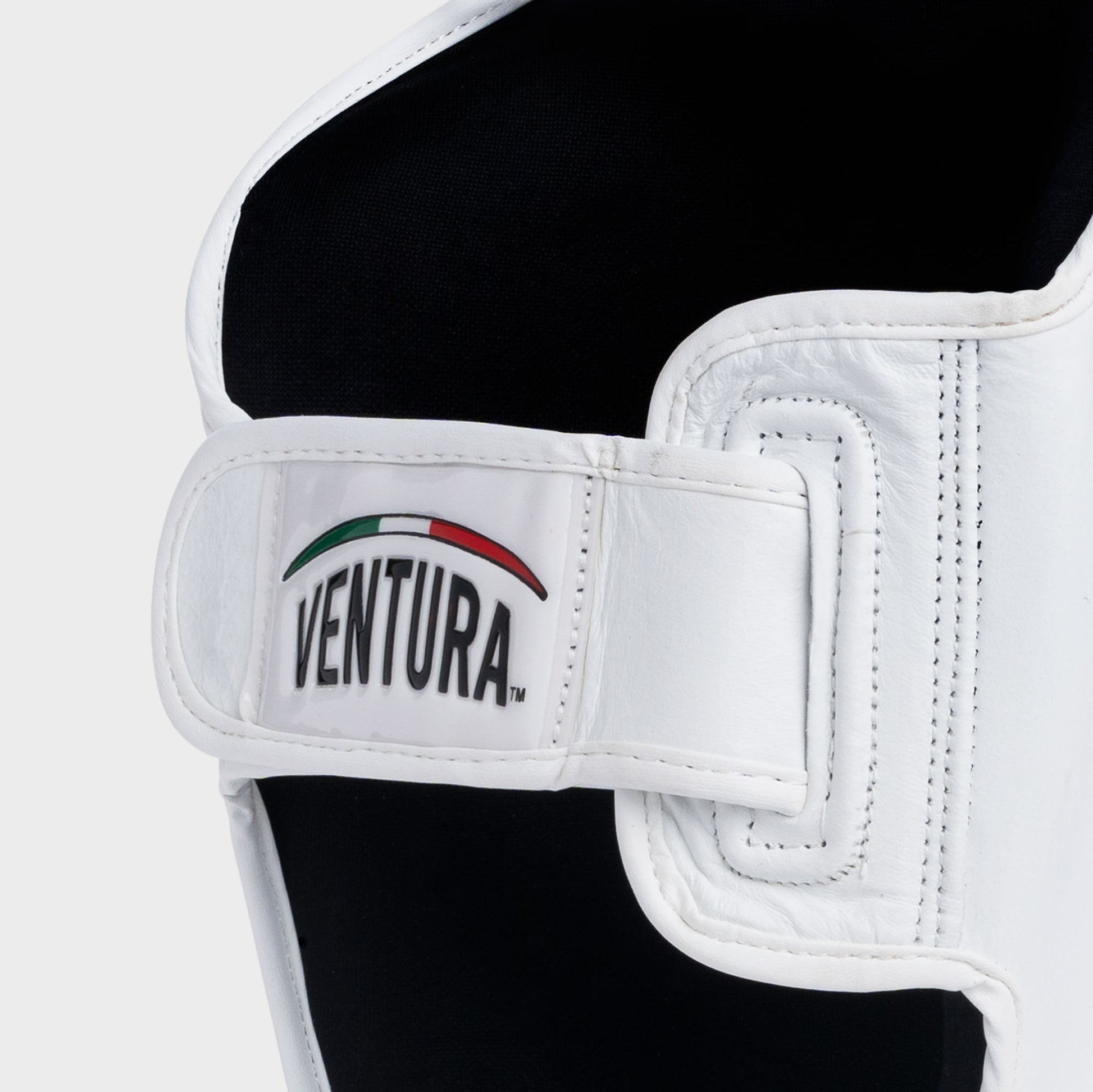
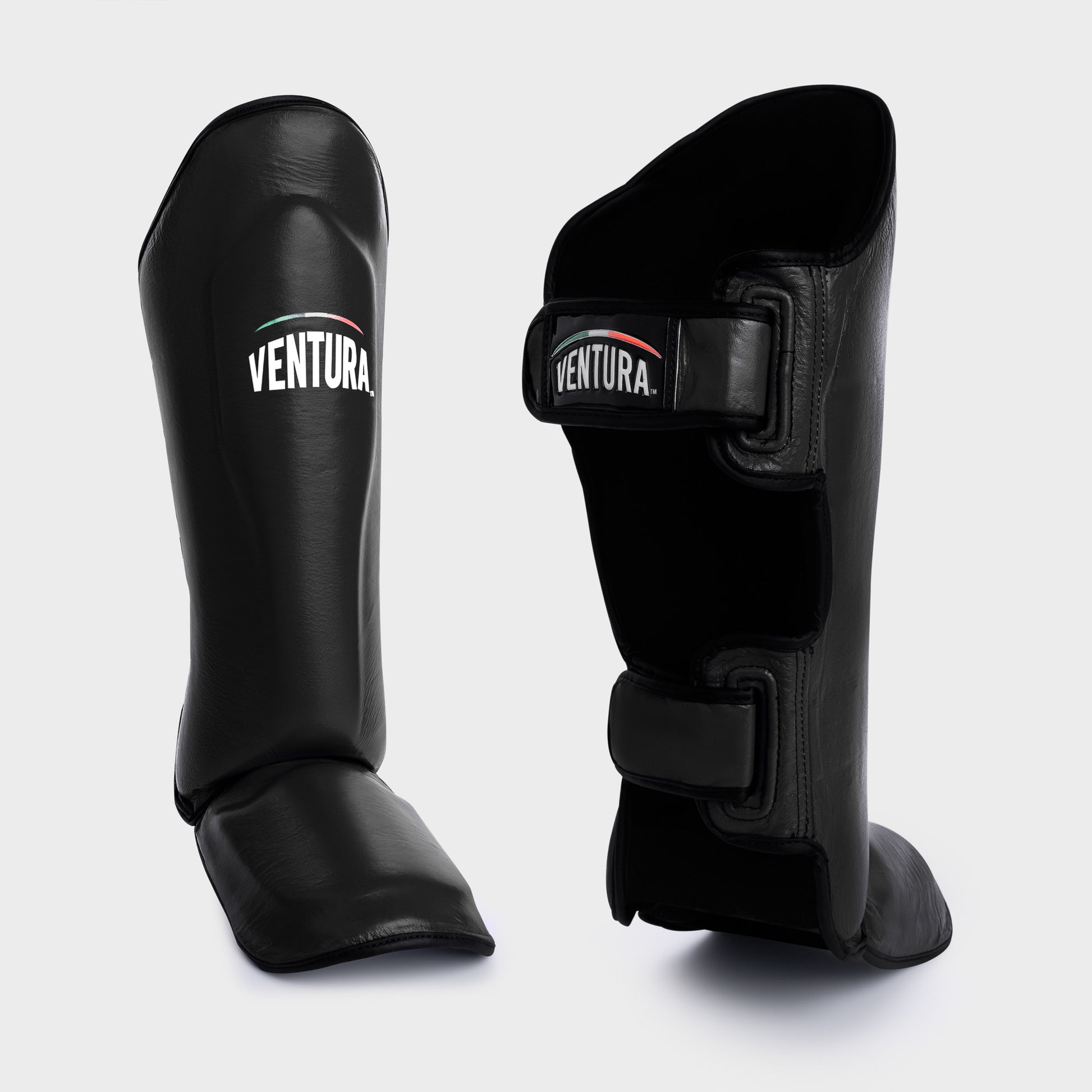
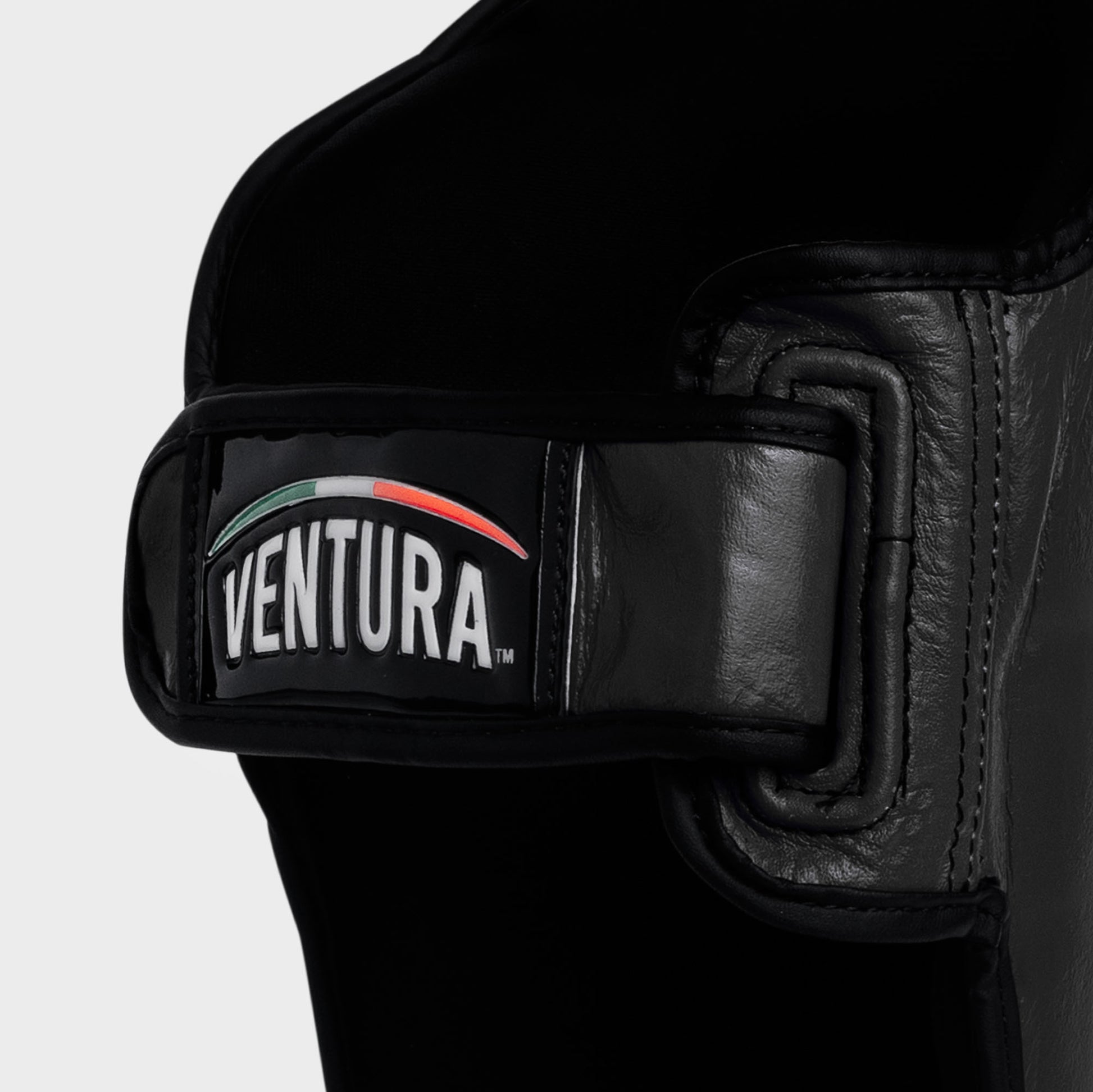
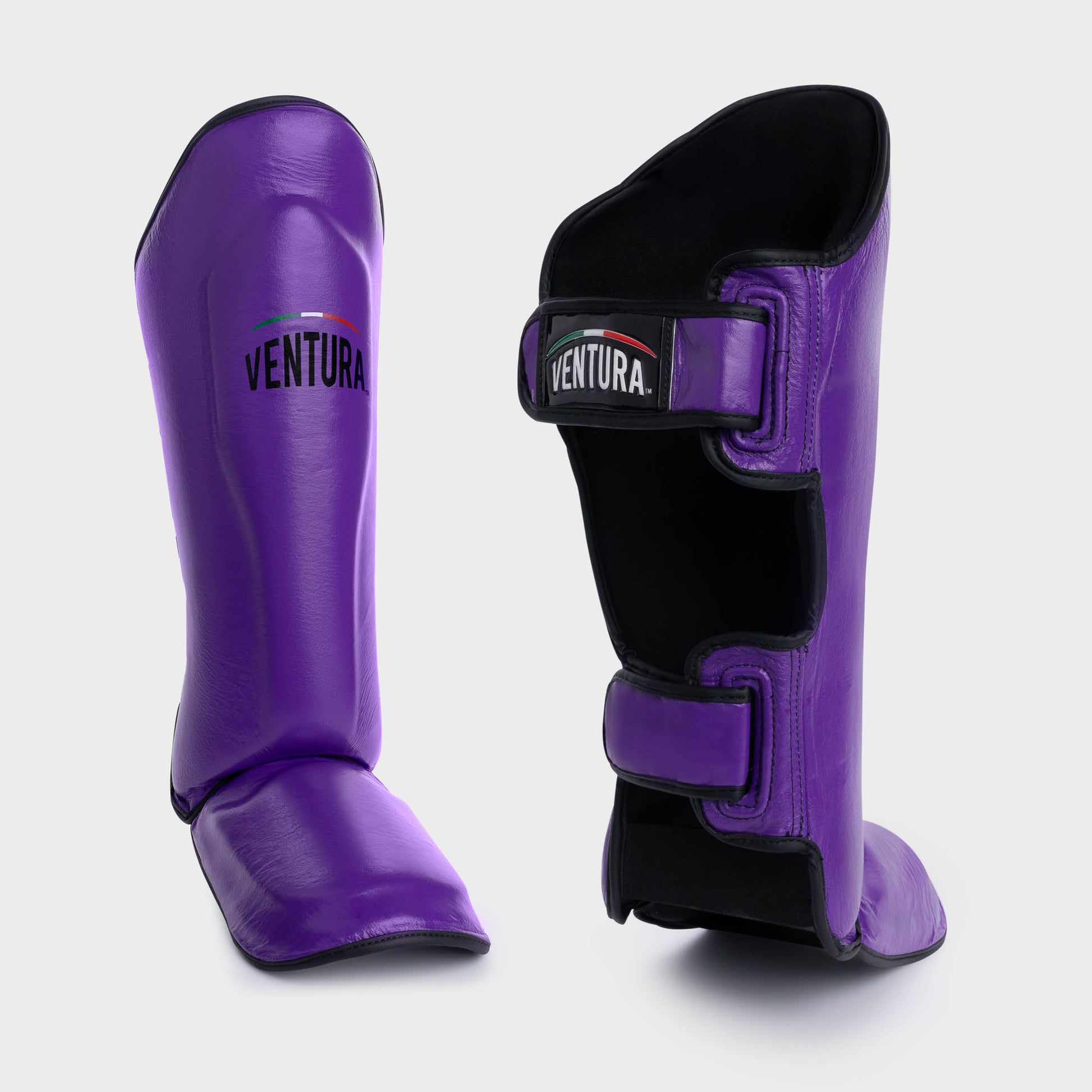
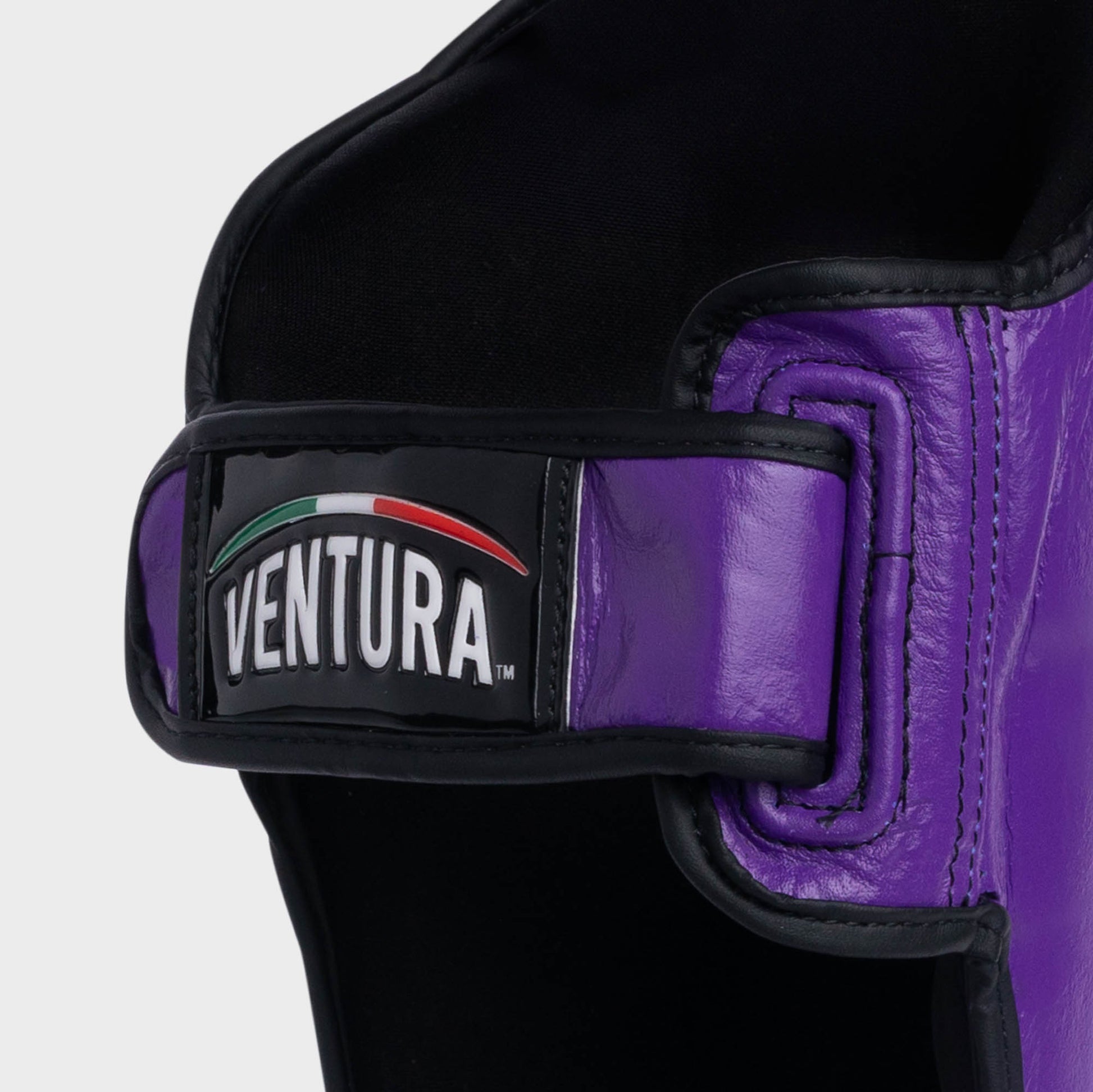
The choice of shin guards starts from real impacts: shin and instep meet paos, the bag, the partner’s elbows and hard checks. Shin guards must protect without rotating on the shin, because an unstable accessory interrupts rhythm and makes it harder to work with confidence. Between middle kicks, checks, low kicks and clinch, weight and grip are truly evaluated only when the volume of strikes increases.
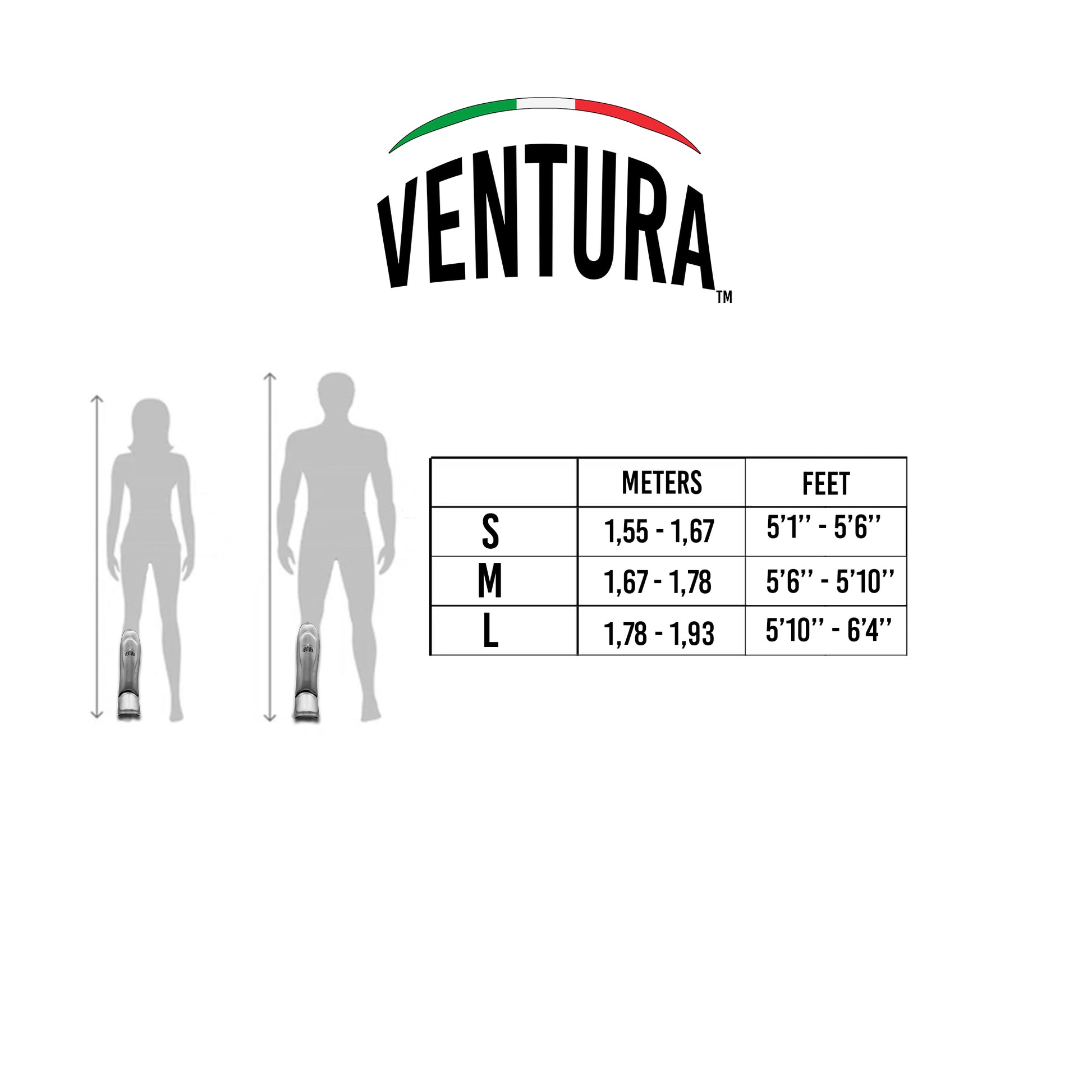
Before buying, clarify whether you train traditional Muay Thai, more dynamic kickboxing or MMA, where freedom is also needed in transitions to the ground. Check the curvature on the shin, instep coverage, straps and thickness in the impact area. A model that is too large rotates, while one that is too short leaves the foot exposed: both shortcuts become evident in long rounds.
In the training path, a correct shin guard allows you to work on power and low-kick defense without turning every impact into a brake. It does not help only when it is new: it makes the difference after weeks of paos, bag work and light sparring. Well-proportioned protection helps you plan technique, conditioning and contact while maintaining confidence in kicks.
Maintenance after paos, bag and sparring
Long-term performance improves when the material is not left closed and wet for shin guards. The practical rule is to open the straps, dry the padding and not overlap protections that are still wet. The material recovers structure and comfort better before returning to kicks, blocks and returns typical of Muay Thai, kickboxing and mixed work, and protects the most exposed parts from unnecessary deformation and stiffening. A quick check after using shin guards helps you understand whether the risk is appearing of choosing a soft shin guard that shifts as soon as the rhythm rises before the next session.
The right material must fit into your ritual without complicating it for shin guards. The most logical pairing is with gloves, wide shorts and a groin guard if clinch and knees enter the session, removing from the set anything that has no place in your usual exercises. Before starting, check covered shin, aligned instep and closures that do not rotate after exchanges: the set must support kicks, blocks and returns typical of Muay Thai, kickboxing and mixed work without bringing confusion into the first minutes. This organization dedicated to shin guards simplifies switching between exercises and keeps the bag easier to manage.
- check covered shin, aligned instep and closures that do not rotate after exchanges before the longer series
- test the product in kicks, blocks and returns typical of Muay Thai, kickboxing and mixed work instead of judging it out of context
- treat the material as soon as you finish: open the straps, dry the padding and do not overlap protections that are still wet
- do not normalize the flaw of choosing a soft shin guard that shifts as soon as the rhythm rises
Protected shins without losing mobility
A practical criterion is to start from the most demanding moment of the session: kicks, blocks and returns where shin and instep receive repeated impacts. There you need full but not rigid coverage, with firm straps and a foot free to plant, not just changing-room comfort. Try low kicks, checks and footwork: the protection must follow the leg without sliding down; the correct product remains readable even when you move from one exercise to another.
Choosing a shin guard that rotates because it is too wide or limits movement because it is too bulky risks limiting growth. If your path goes from pad work to sparring with high rhythm and distance changes, also evaluate gloves, mouthguard, groin guard and headguard when the session combines punches, kicks and clinch with the same logic. The less visible part is often decisive: open the straps, dry the inner part and check the Velcro before it loses grip.
Where comfort and function must meet
The product sheet should be read together with the type of class you attend: for shin guards, the most concrete reference remains kicks, blocks and returns typical of Muay Thai, kickboxing and mixed work. Focus on covered shin, aligned instep and closures that do not rotate after exchanges, then add direction changes or grips to discover possible limits. If you notice the risk of choosing a soft shin guard that shifts as soon as the rhythm rises, the decision should be brought back to a more suitable model. The feeling to look for with shin guards is a safer impact without losing mobility, with consistent behavior from the start to the end of the session.
To avoid superficial evaluations, try low kicks, checks and footwork: the protection must follow the leg without sliding down. The body immediately recognizes when an element is too wide, too rigid, too hot or not stable enough, especially if frequency, sweat and repetitions put shin guards for Muay Thai, kickboxing and MMA to the test. Listening to that feeling before buying prevents you from ending up with material that stays in the bag because it is uncomfortable in important moments, especially if frequency, sweat and repetitions put shin guards for Muay Thai, kickboxing and MMA to the test.
Choosing a shin guard that rotates because it is too wide or limits movement because it is too bulky is often the result of a rushed choice. Better to imagine the path from work on paos to sparring with high rhythm and distance changes and understand what margin you need. This does not mean buying the most expensive product, but finding the one that maintains a logic even when partners, exercises and intensity change, especially if frequency, sweat and repetitions put shin guards for Muay Thai, kickboxing and MMA to the test.
Finally, consider the whole: gloves, mouthguard, groin guard and headguard when the session combines punches, kicks and clinch. Each element must have space, function and drying time, especially if frequency, sweat and repetitions put shin guards for Muay Thai, kickboxing and MMA to the test. After use, open the straps, dry the inner part and check the Velcro before it loses grip. This way the material remains more organized and preparing the next session becomes quick and without improvisation, especially if frequency, sweat and repetitions put shin guards for Muay Thai, kickboxing and MMA to the test.
When every piece has a place, the session begins with fewer distractions for shin guards. First prepare what is needed for kicks, blocks and returns typical of Muay Thai, kickboxing and mixed work, and do not confuse completeness with accumulation of material. Pairing gloves, wide shorts and a groin guard if clinch and knees enter the session is correct when it does not add bulk but solves a need. Check covered shin, aligned instep and closures that do not rotate after exchanges before the warm-up: when the shin guards are already ready, mental space remains to read the partner and not the material.
A check before leaving home can prevent discomfort during rounds for shin guards. For shin guards, the material sequence should be this: put body control first and then the practicality of the set. Gloves, wide shorts and groin guard if clinch and knees enter the session should be chosen based on what happens during kicks, blocks and returns typical of Muay Thai, kickboxing and mixed work. Checking covered shin, aligned instep and closures that do not rotate after exchanges avoids the mistake of choosing a soft shin guard that shifts as soon as the rhythm rises and makes shin guards more useful in key transitions and easier to control.
Useful questions before buying
How can you tell if the size covers the shin well?
The shin guard must protect the central part without reaching too high on the knee. Also try the kicking movement: the protection must not rotate.
Why does natural leather matter on shin guards?
Because it helps the covering withstand low kicks, blocks and pao work. Ventura combines it with dense padding, stable bands and resistant coverings to make a carefully built product more accessible.
Should the instep be rigid?
No, it must protect but allow the foot to follow the kick. If it is too rigid, you lose sensitivity; if it is too soft, the impact is felt immediately.
How do you dry them after an intense class?
Open the straps and let them ventilate separately. Avoid storing them wet in contact with gloves or sweaty clothing.