
Protective gear for boxing, Muay Thai, kickboxing and MMA
-
GENUINE LEATHER BOXING HEADGEAR WITH CHEEK PROTECTION - WHITE -
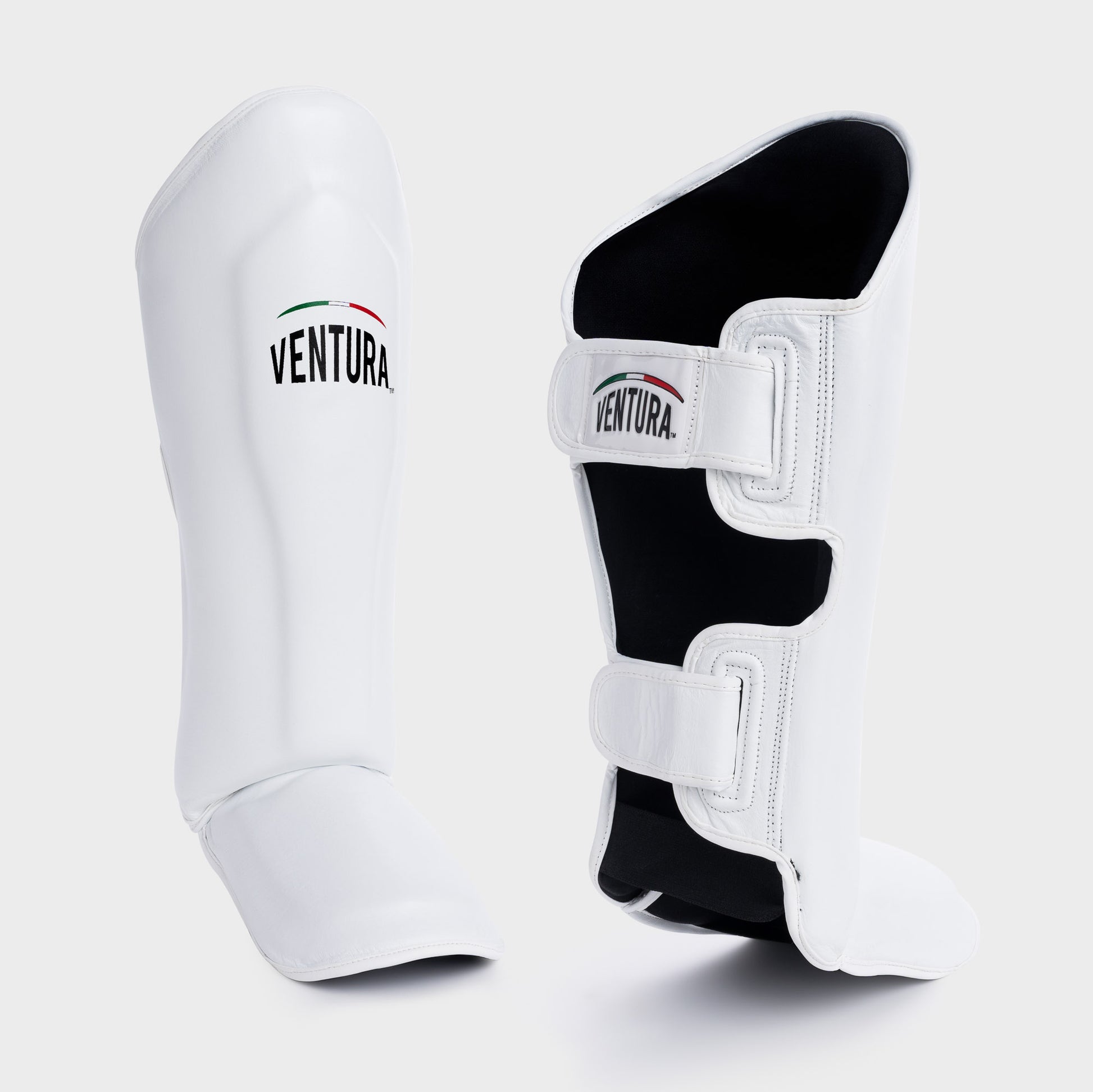
GENUINE LEATHER SHIN GUARDS FOR MUAY THAI, KICK BOXING AND MMA - WHITE -
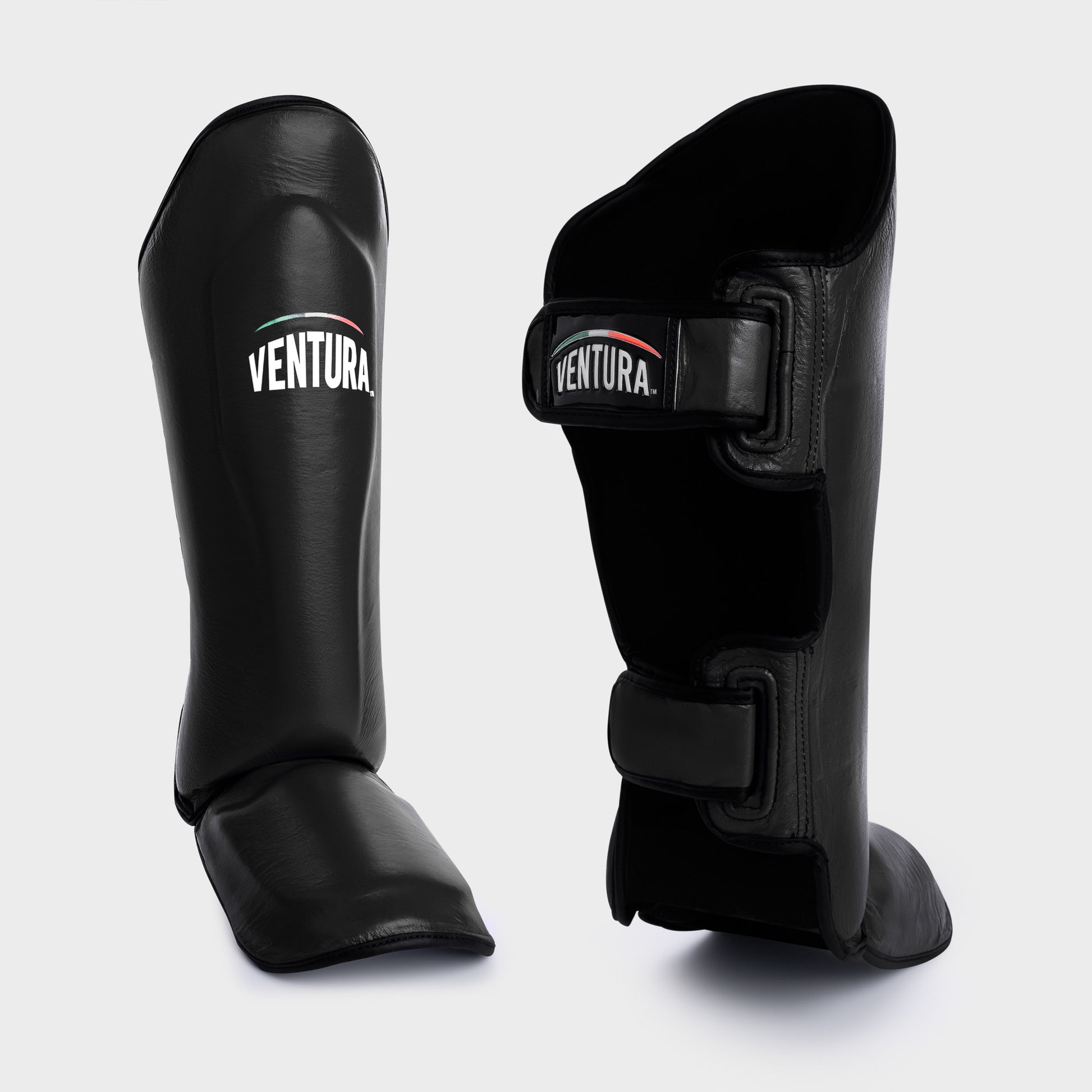
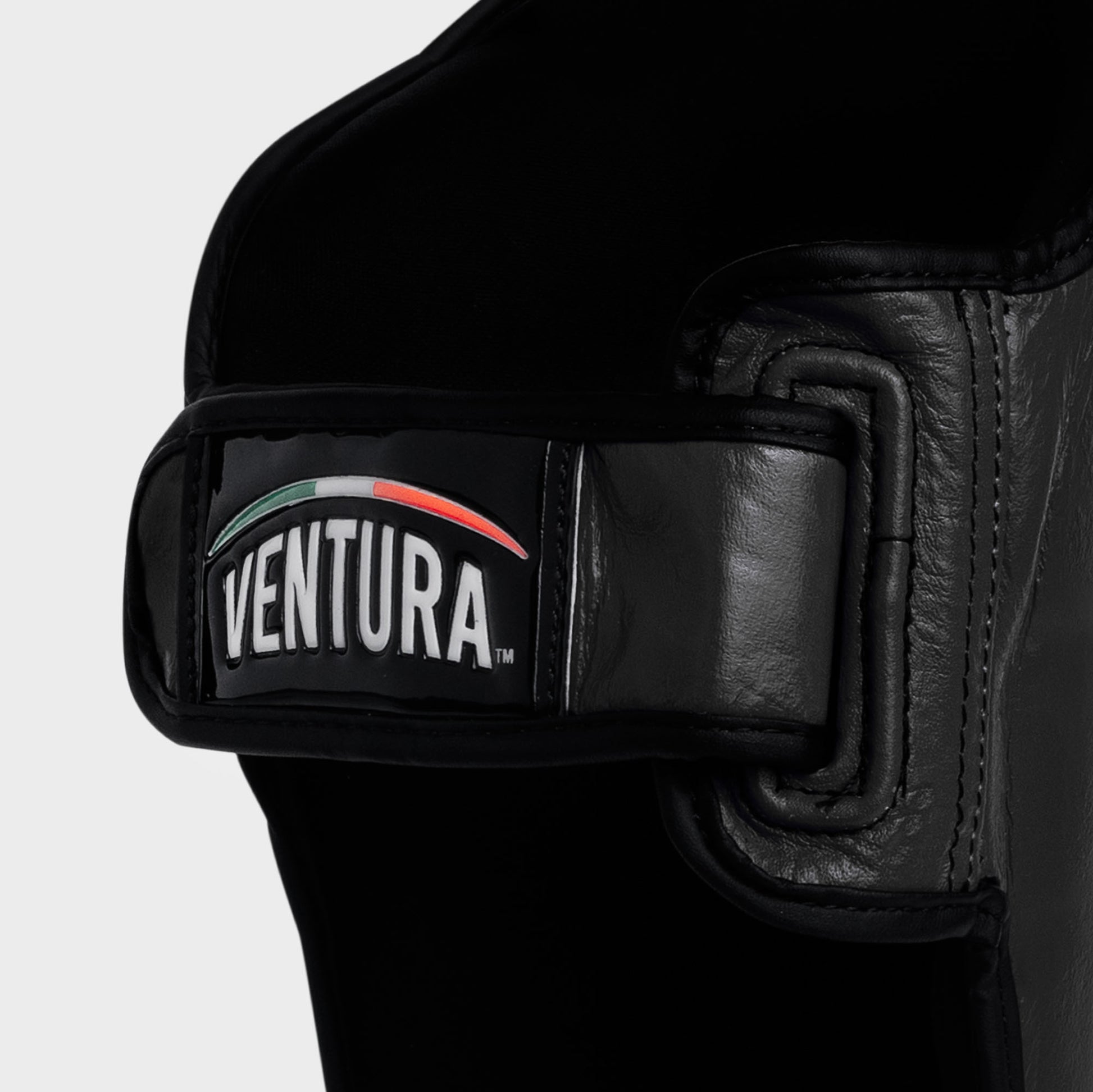
GENUINE LEATHER SHIN GUARDS FOR MUAY THAI, KICK BOXING AND MMA - BLACK -
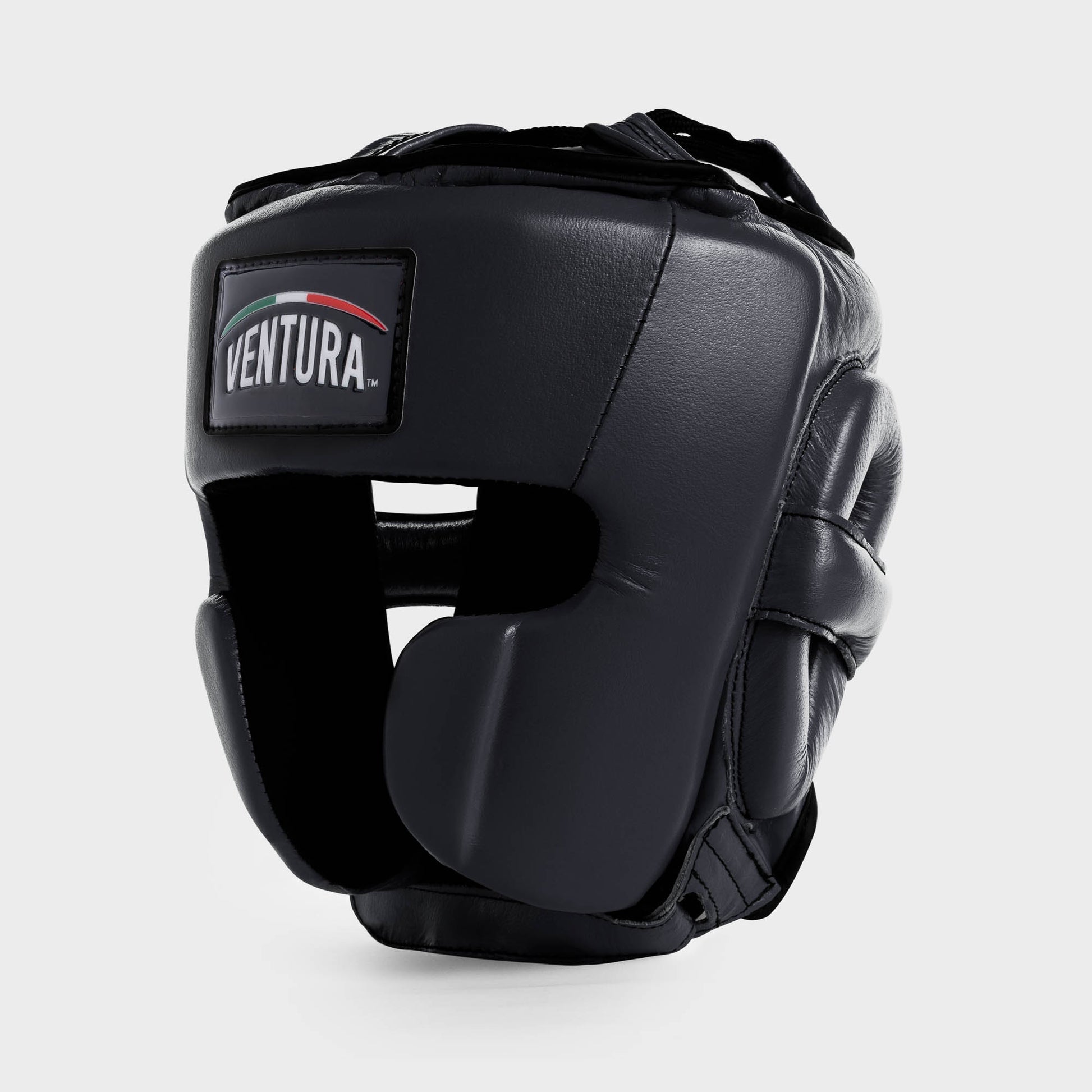
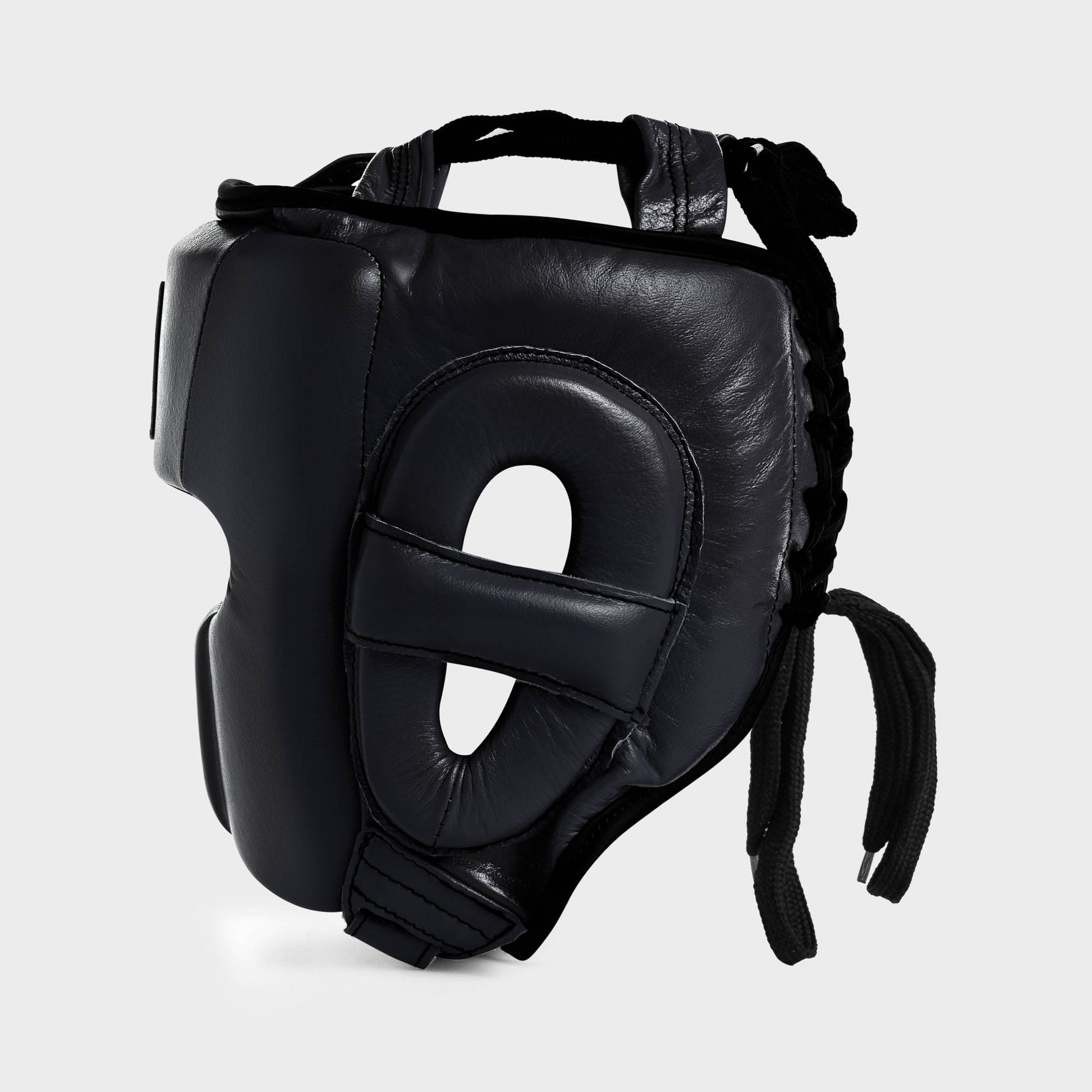
GENUINE LEATHER BOXING HEADGEAR WITH CHEEK PROTECTION - BLACK -
GENUINE LEATHER BOXING GROIN GUARD - WHITE -
GENUINE LEATHER BOXING FACE BAR HEADGEAR - WHITE -
GENUINE LEATHER BOXING GROIN GUARD - BLACK -
GENUINE LEATHER BOXING FACE BAR HEADGEAR - BLACK -
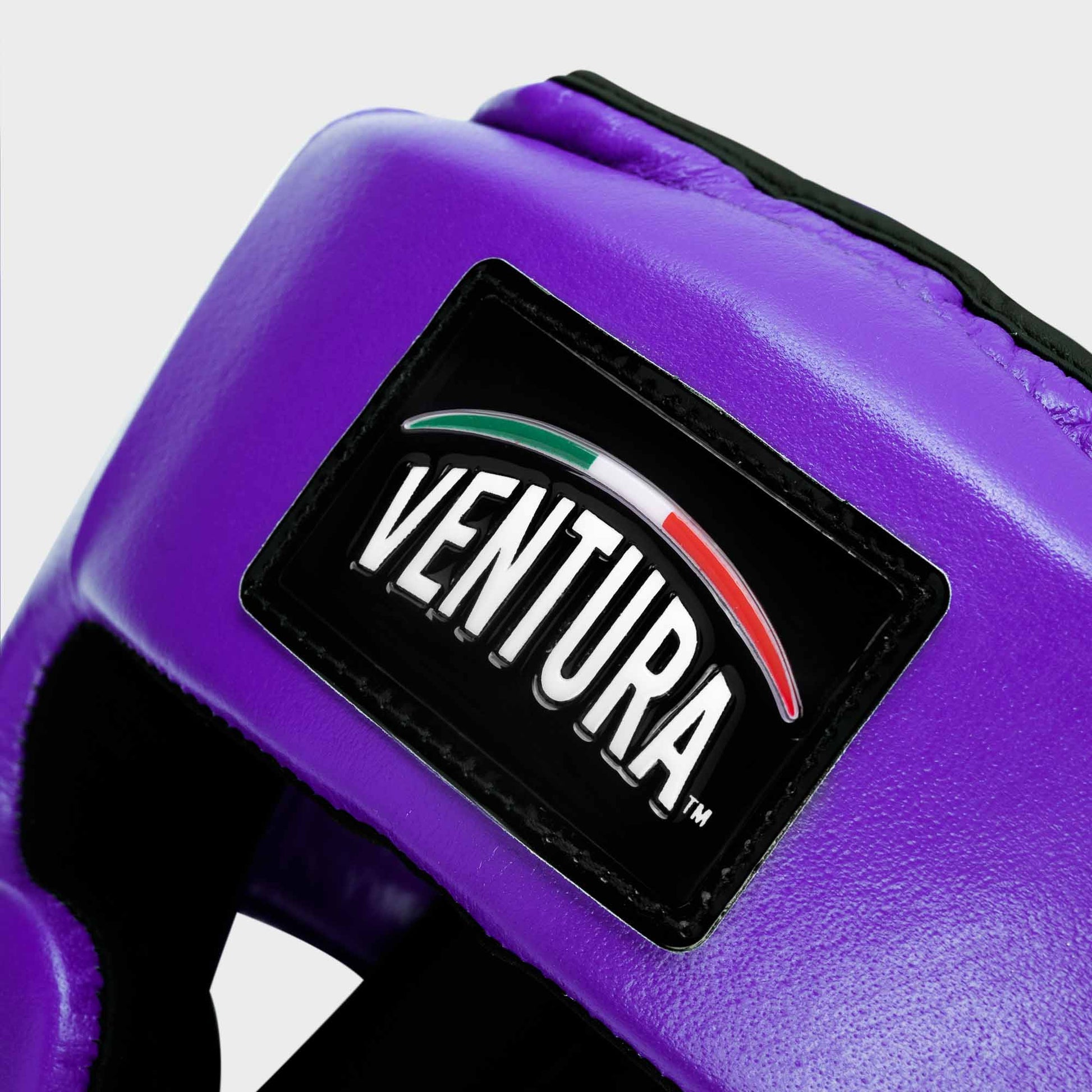
GENUINE LEATHER BOXING HEADGEAR WITH CHEEK PROTECTION - PURPLE -
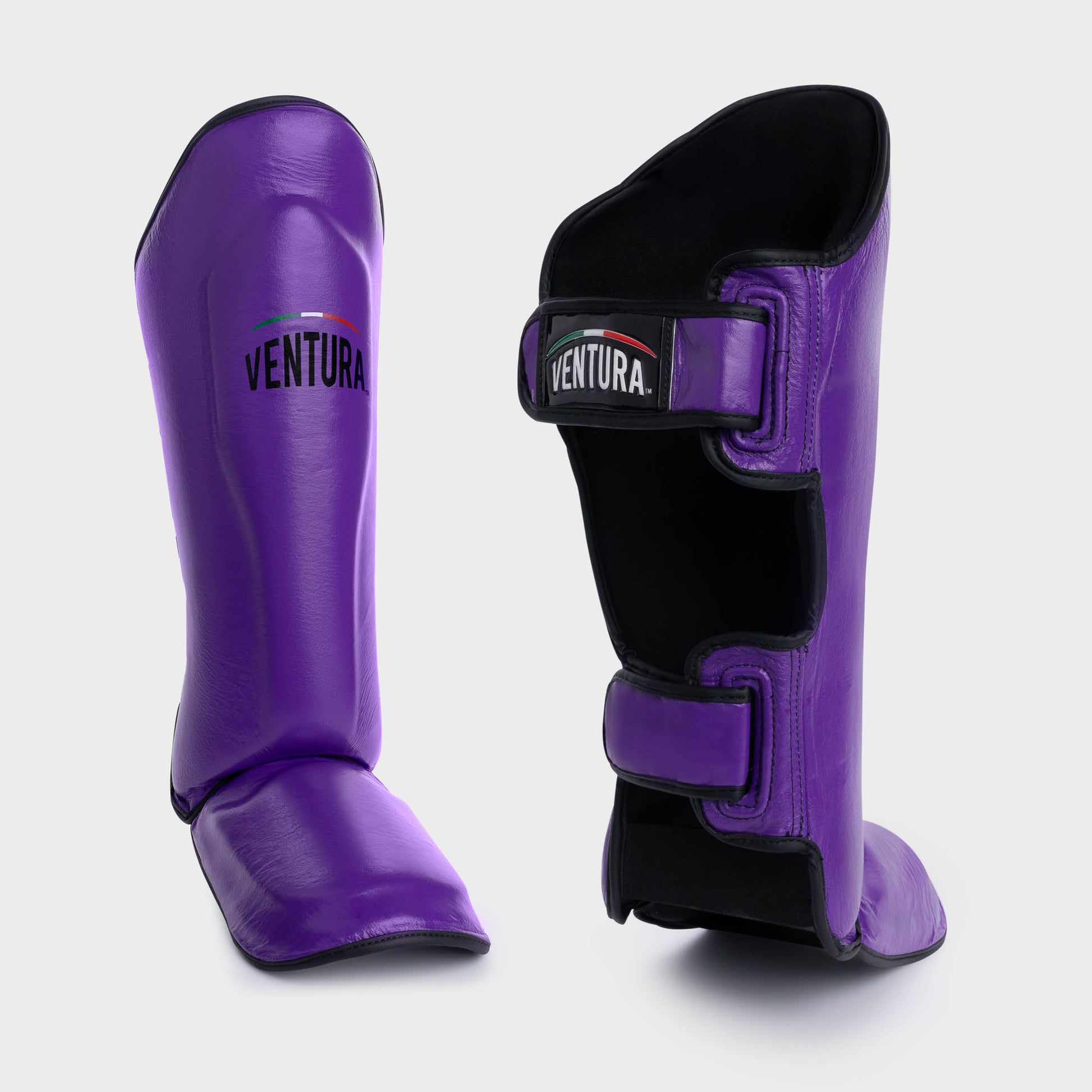
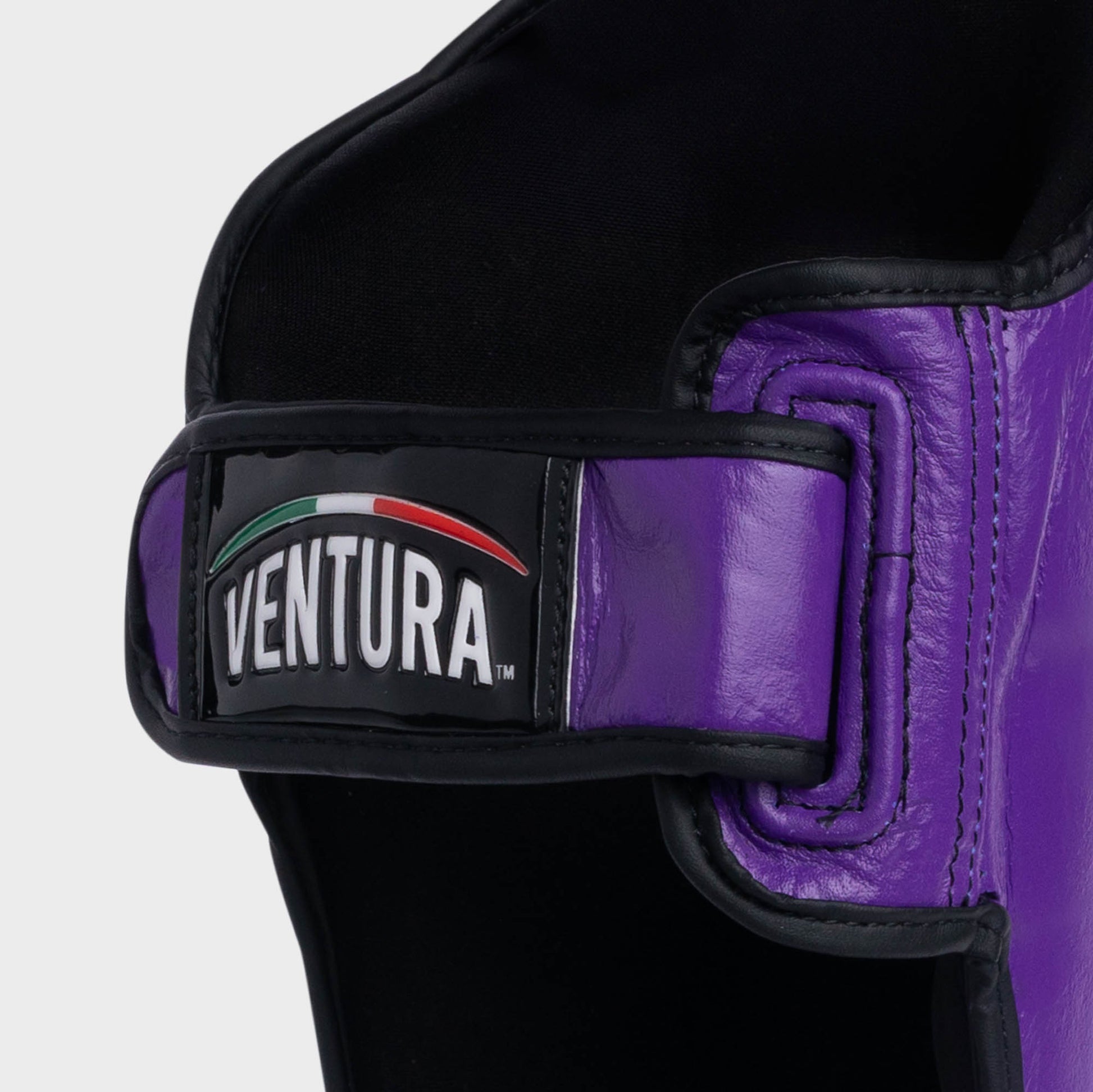
GENUINE LEATHER SHIN GUARDS FOR MUAY THAI, KICK BOXING AND MMA - PURPLE -
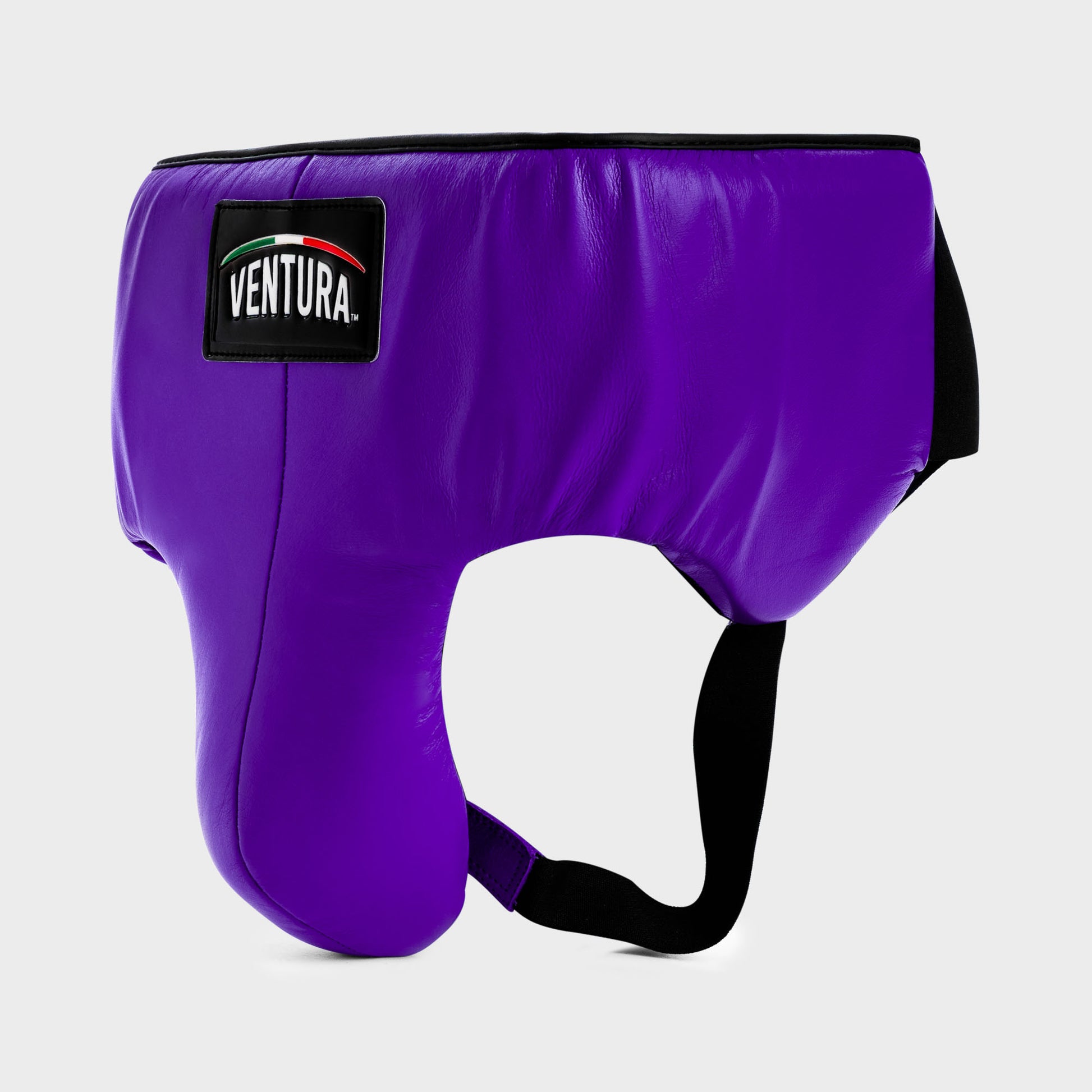
GENUINE LEATHER BOXING GROIN GUARD - PURPLE -
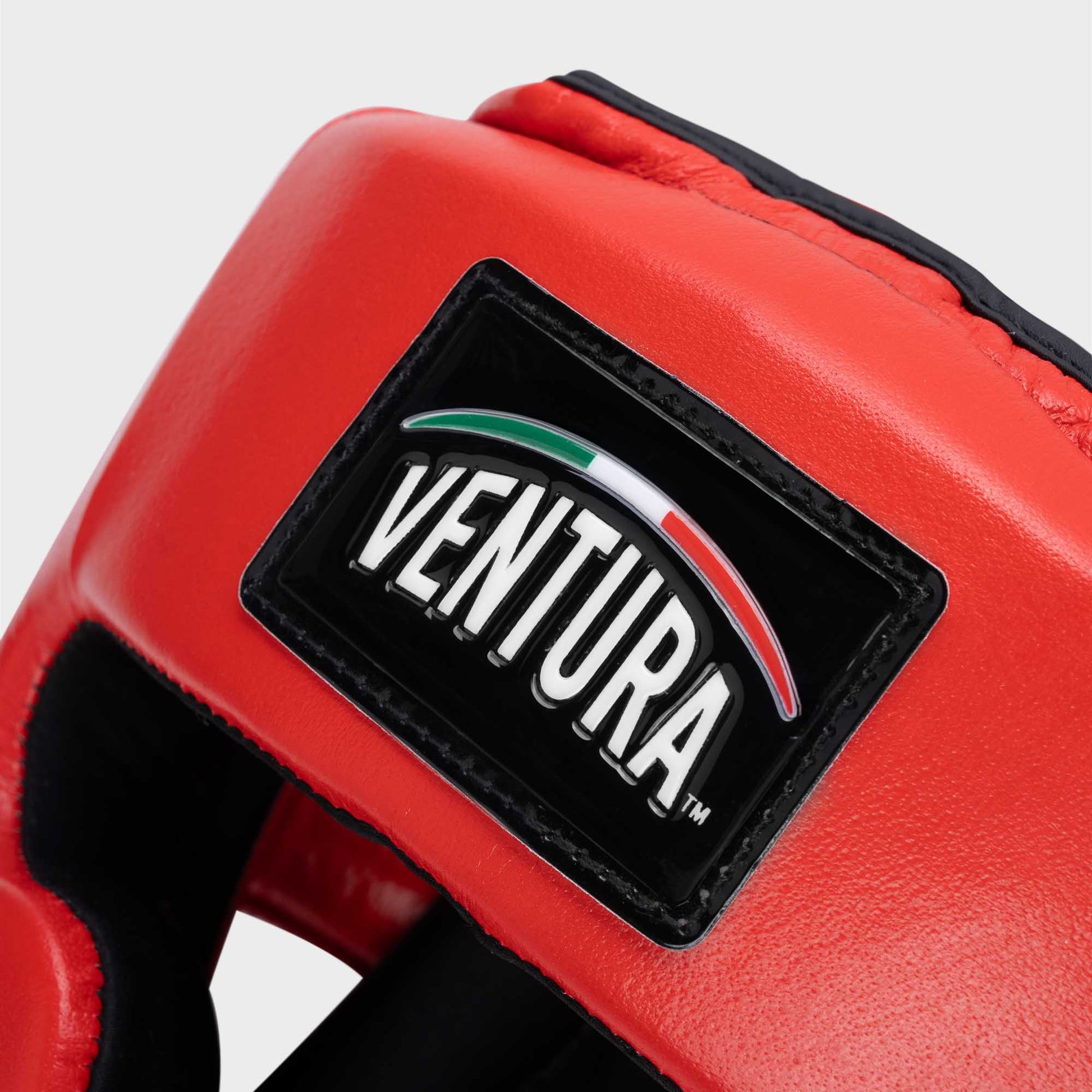
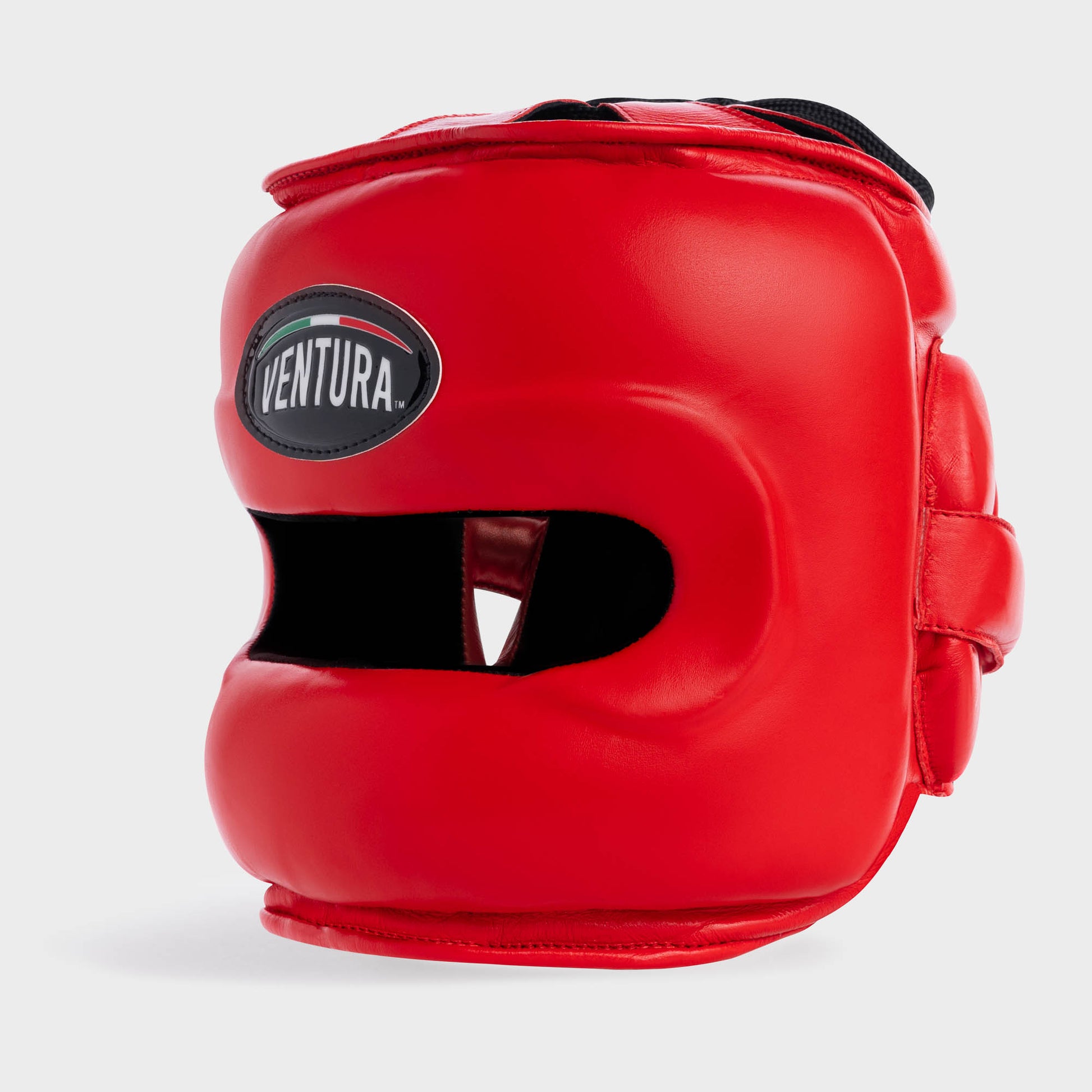
GENUINE LEATHER BOXING HEADGEAR WITH CHEEK PROTECTION - RED -
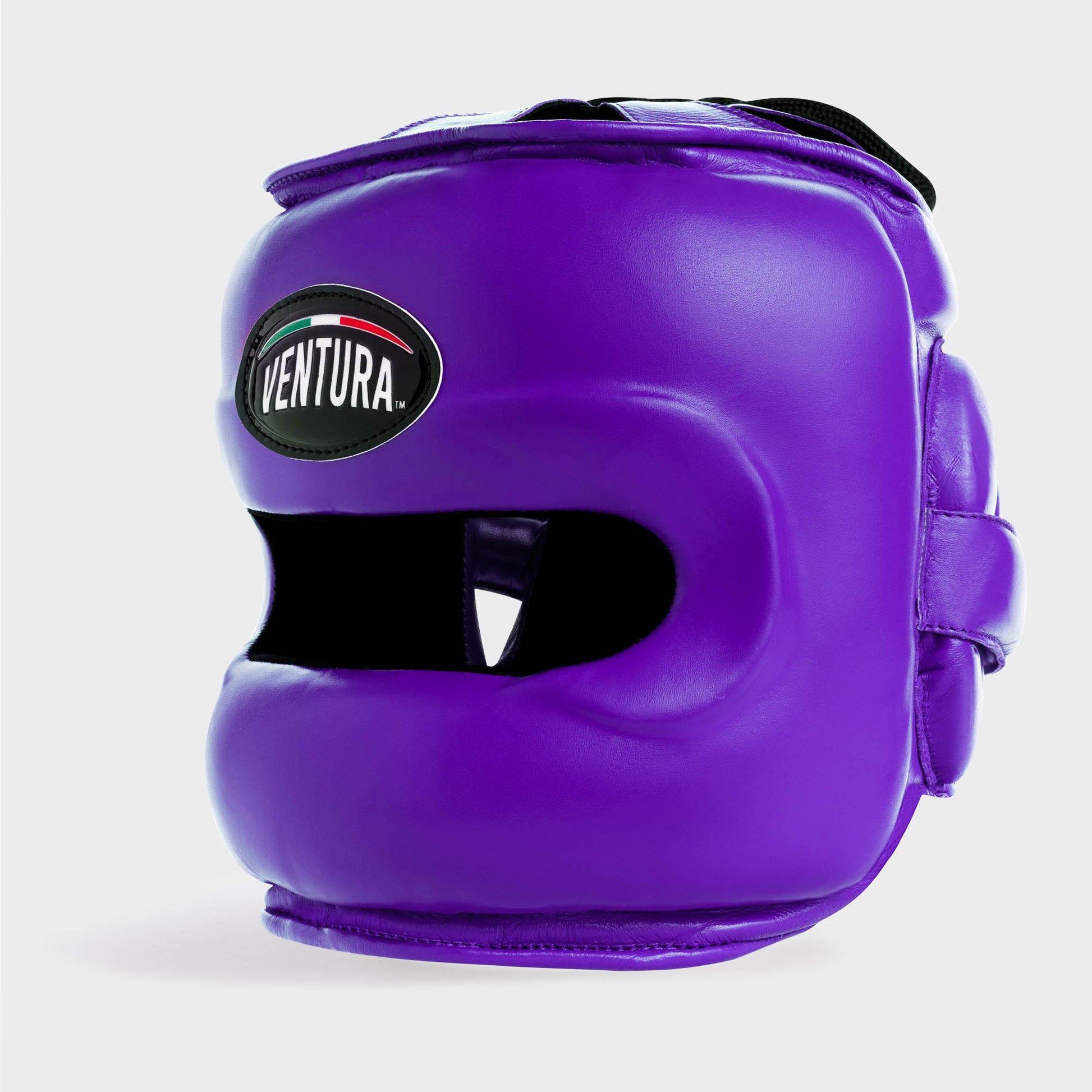
GENUINE LEATHER BOXING FACE BAR HEADGEAR - PURPLE -
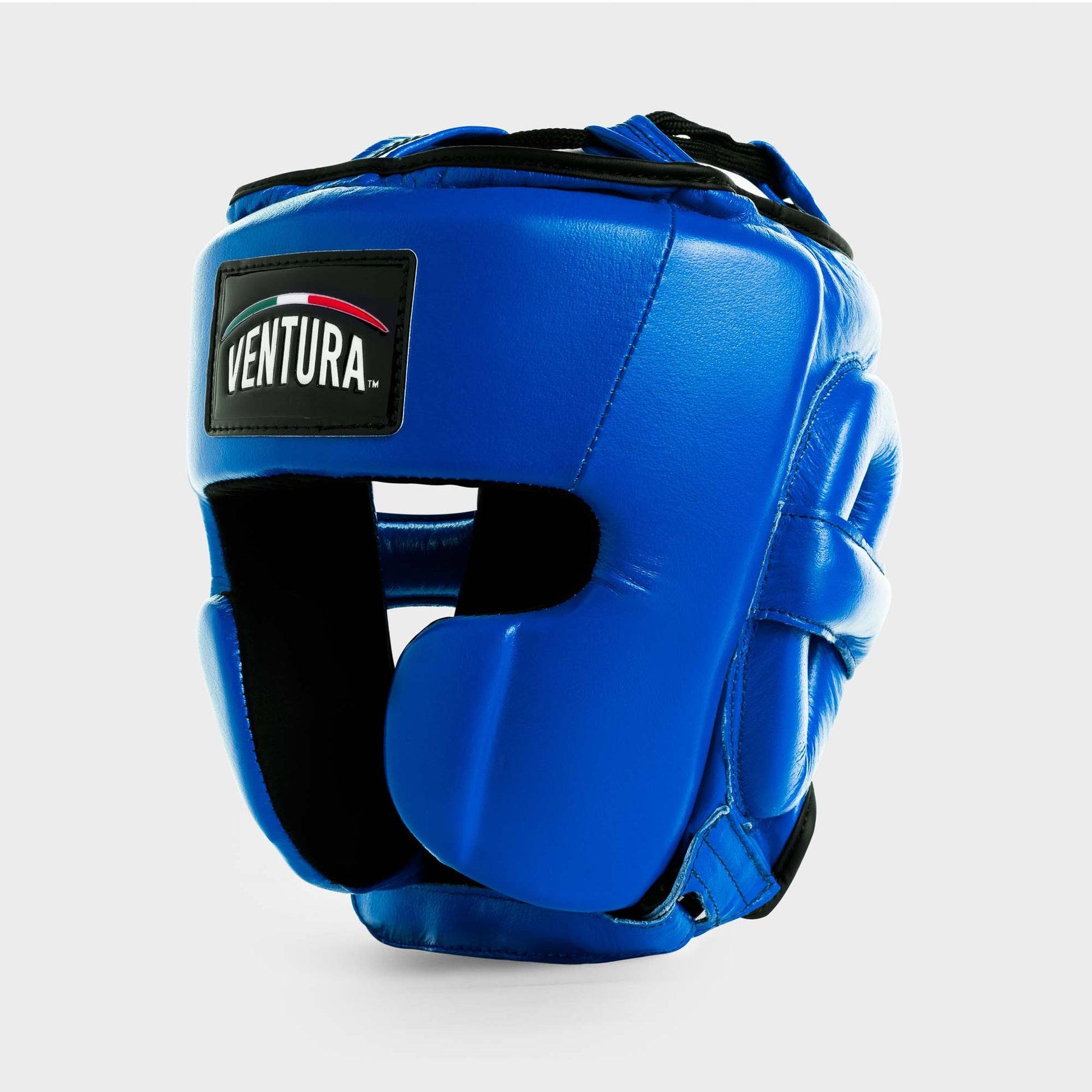
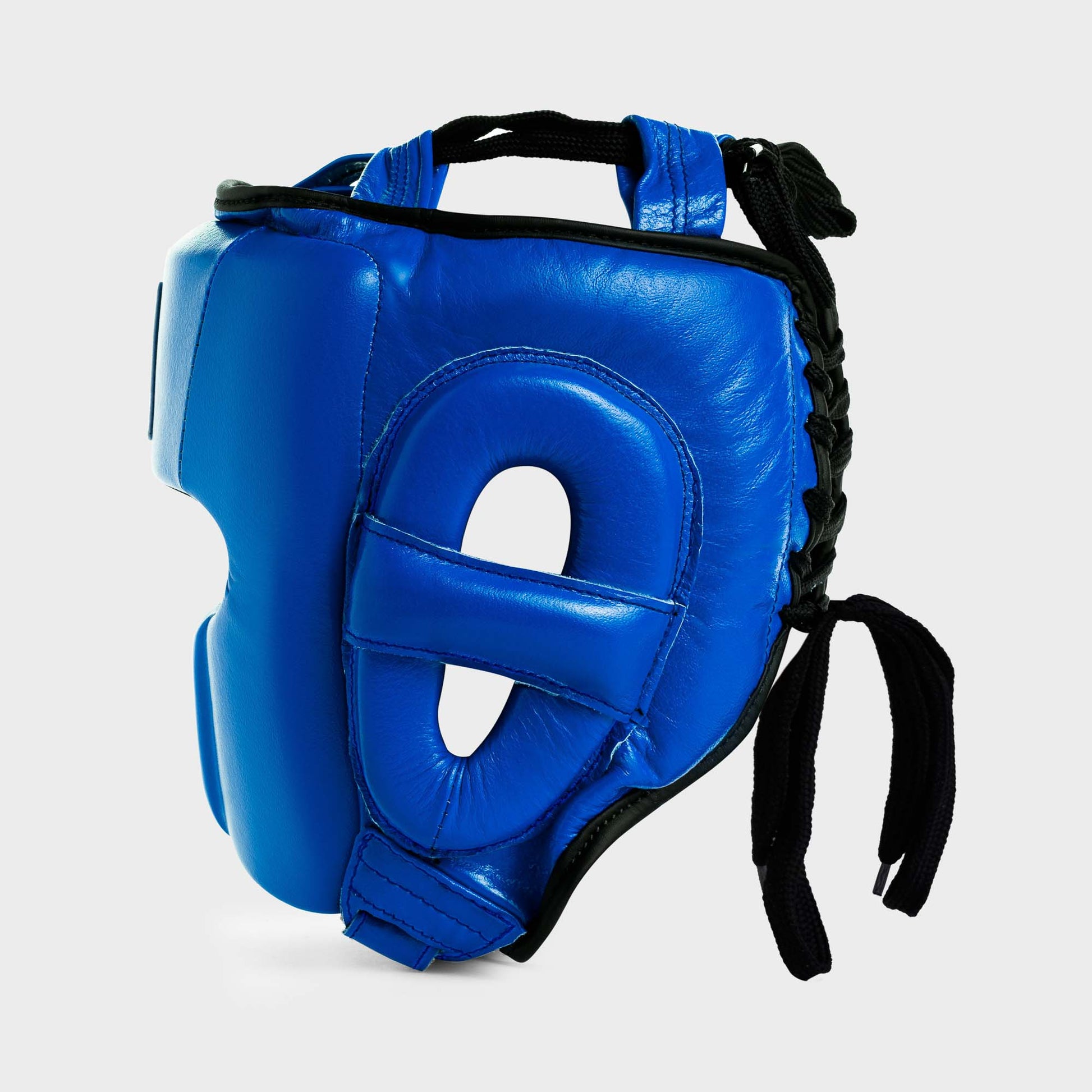
GENUINE LEATHER BOXING HEADGEAR WITH CHEEK PROTECTION - BLUE -
GENUINE LEATHER BOXING HEADGEAR WITH CHEEK PROTECTION - SILVER -
GENUINE LEATHER BOXING HEADGEAR WITH CHEEK PROTECTION - GOLD -
GENUINE LEATHER BOXING GROIN GUARD - RED -
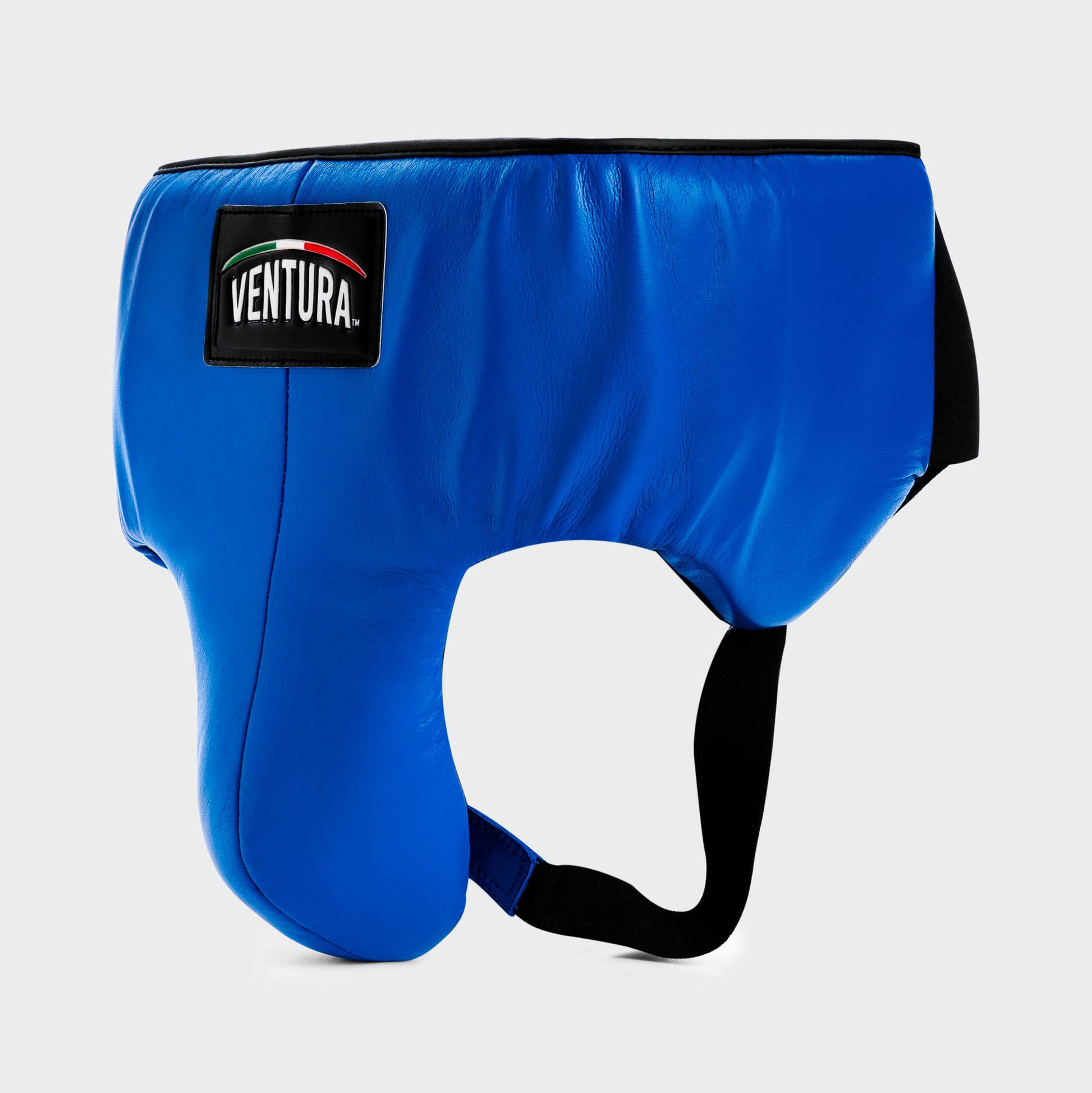
GENUINE LEATHER BOXING GROIN GUARD - BLUE -
GENUINE LEATHER BOXING FACE BAR HEADGEAR - RED -
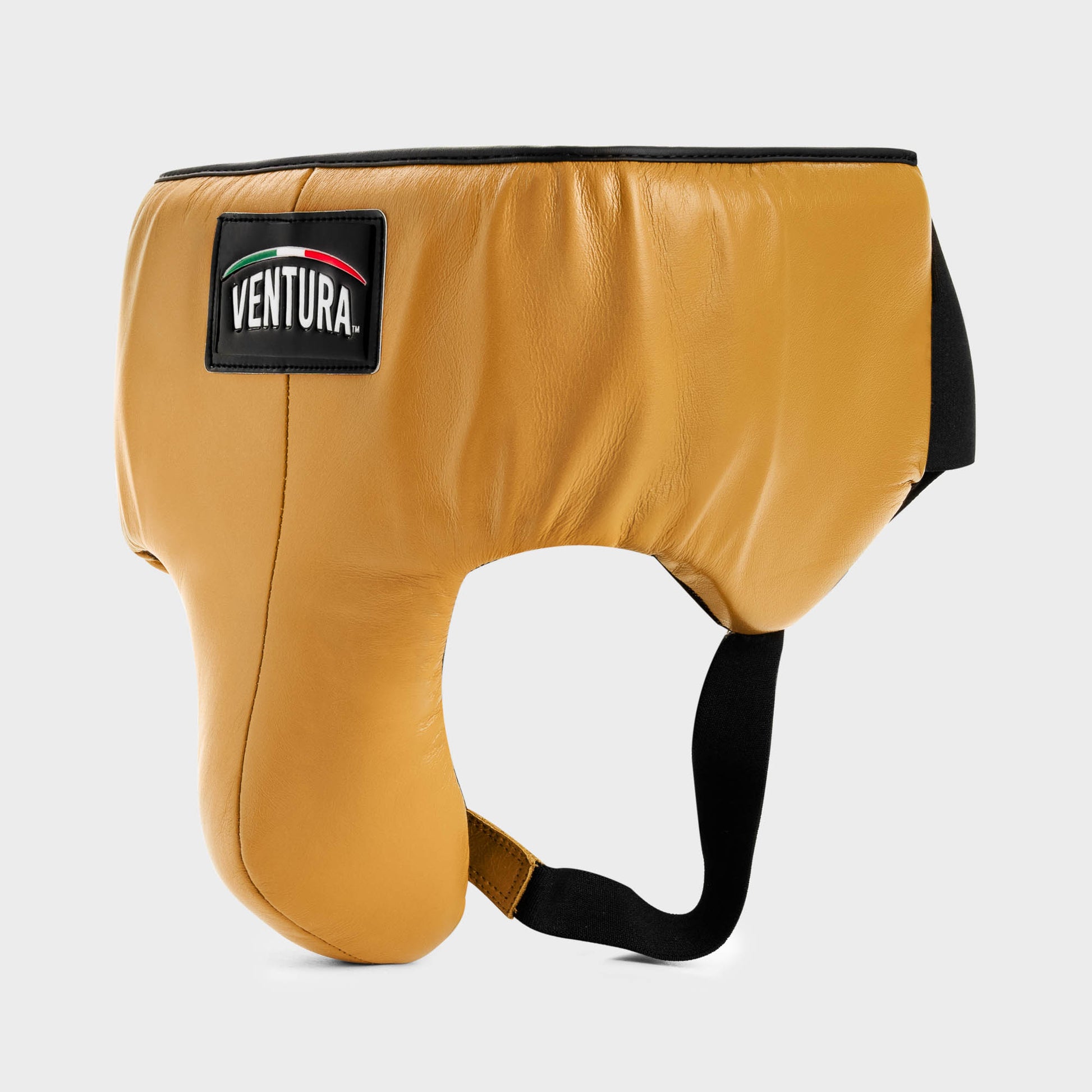
GENUINE LEATHER BOXING GROIN GUARD - GOLD -
GENUINE LEATHER BOXING FACE BAR HEADGEAR - BLUE -
GENUINE LEATHER BOXING FACE BAR HEADGEAR - GOLD -
GENUINE LEATHER BOXING GROIN GUARD - SILVER -
GENUINE LEATHER BOXING FACE BAR HEADGEAR - SILVER
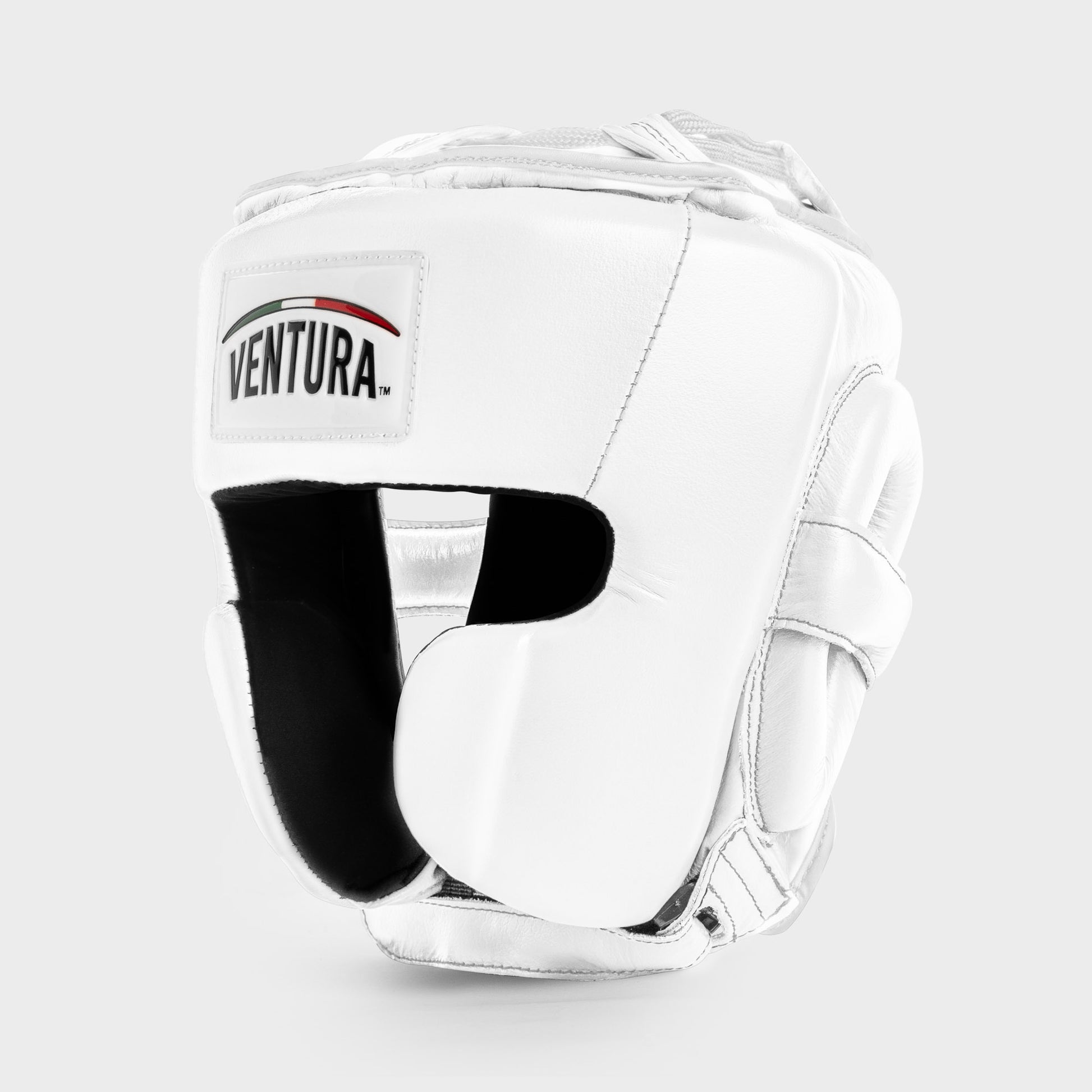
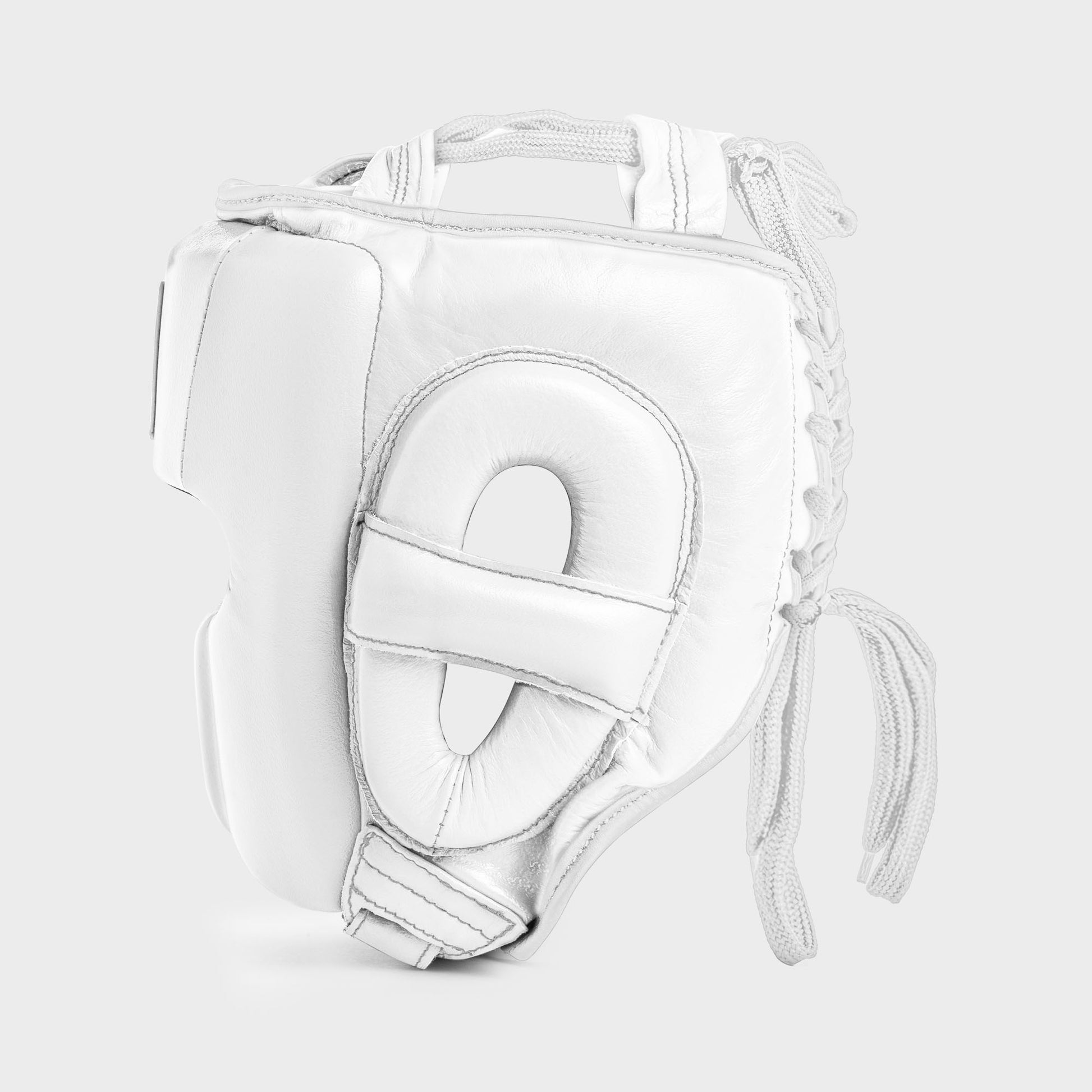
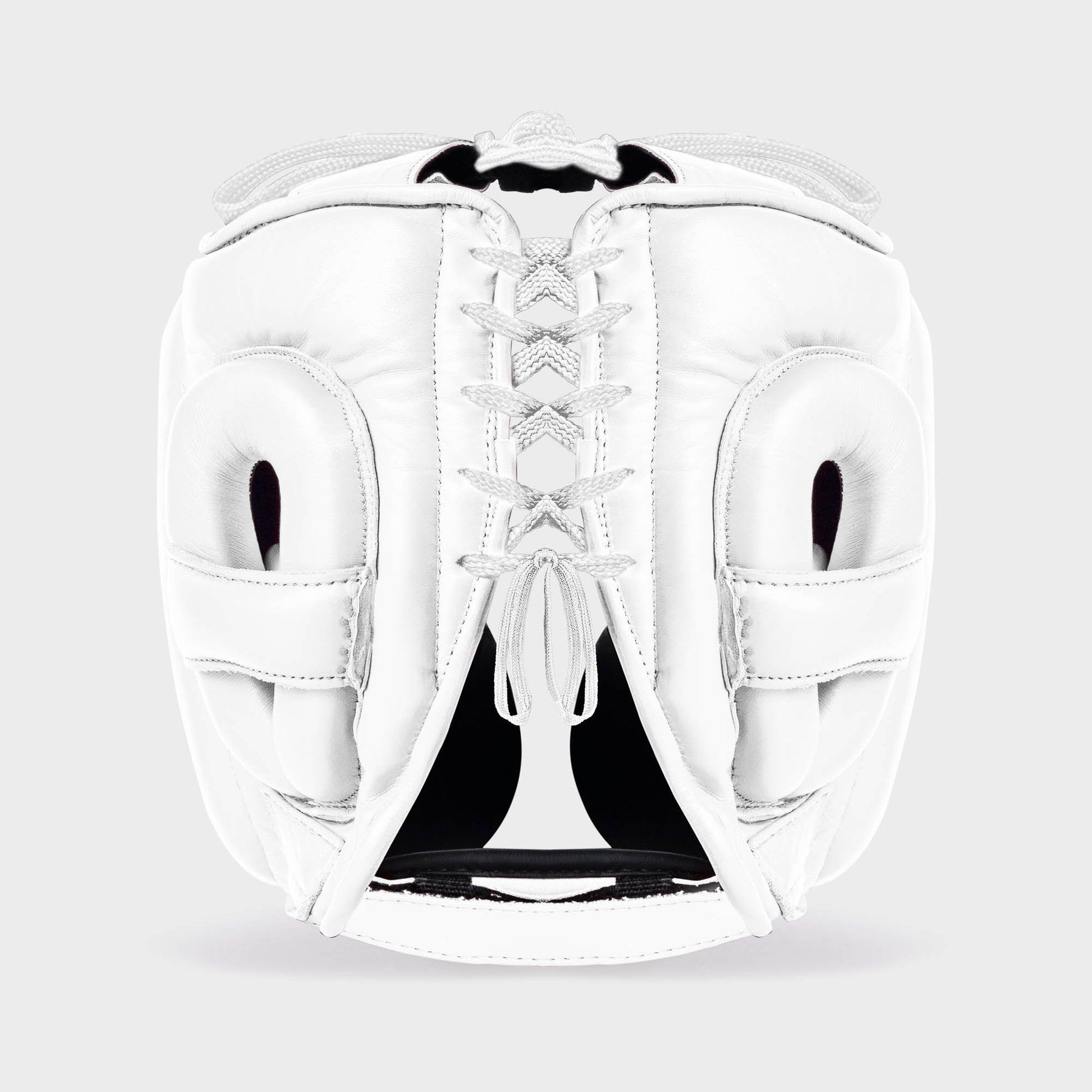
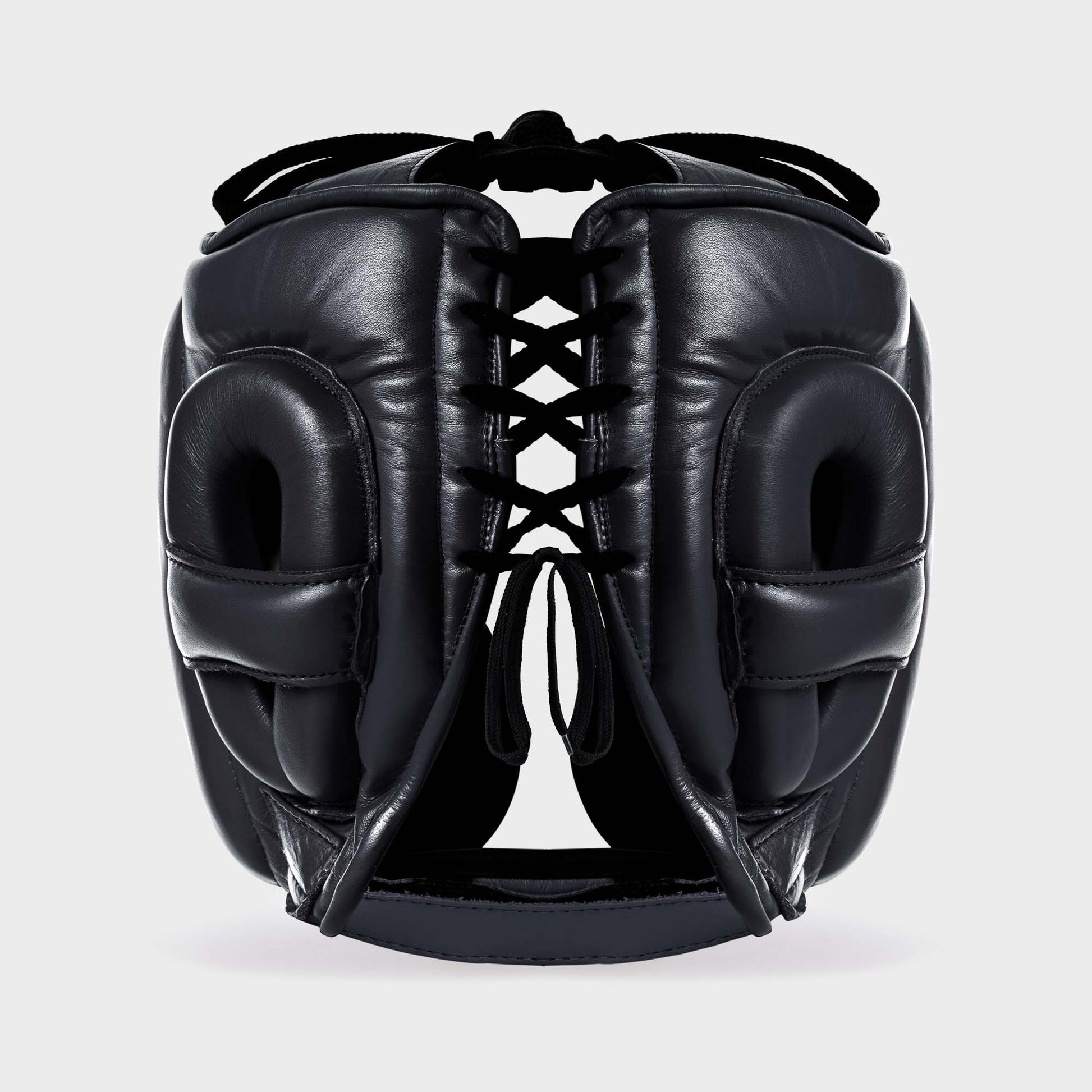
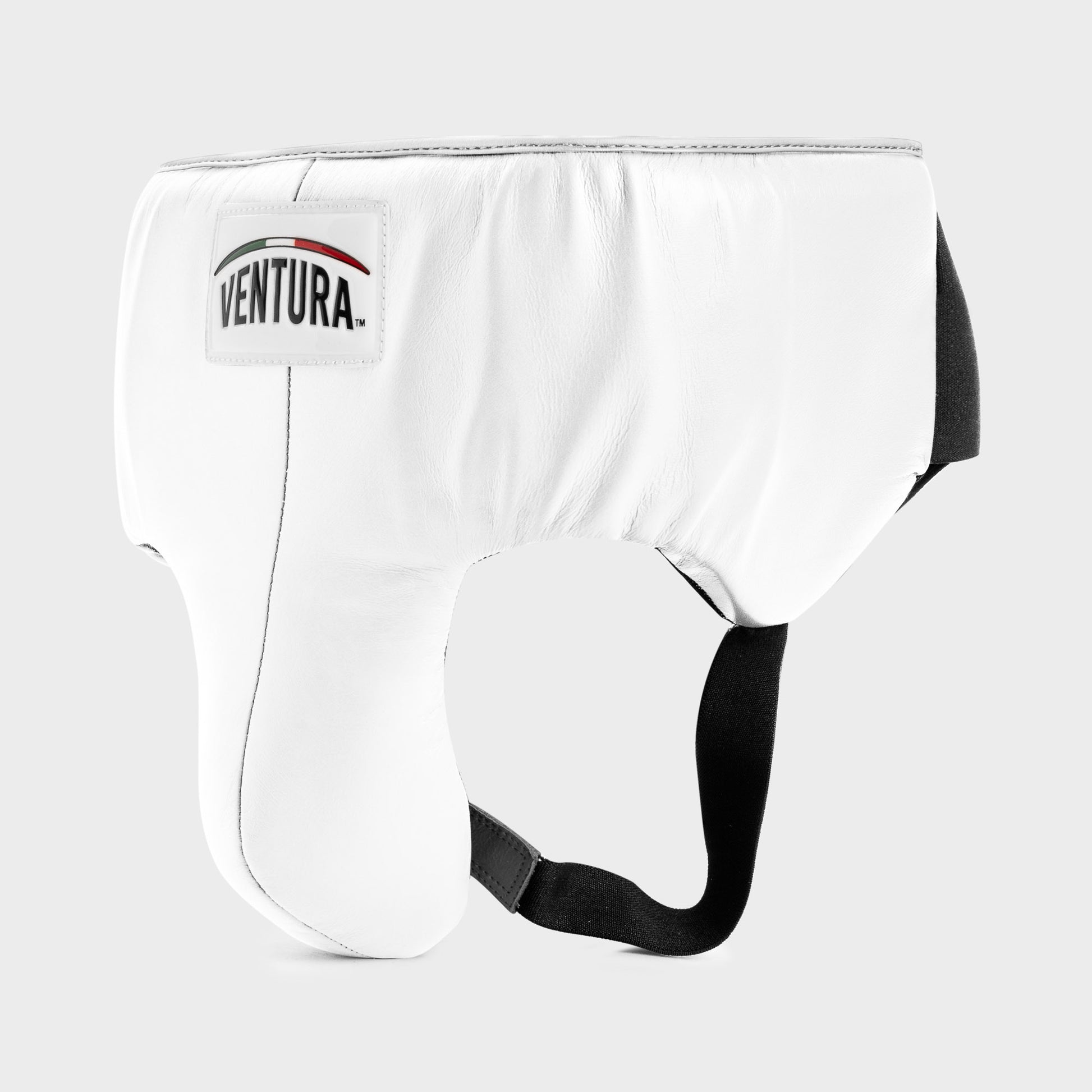
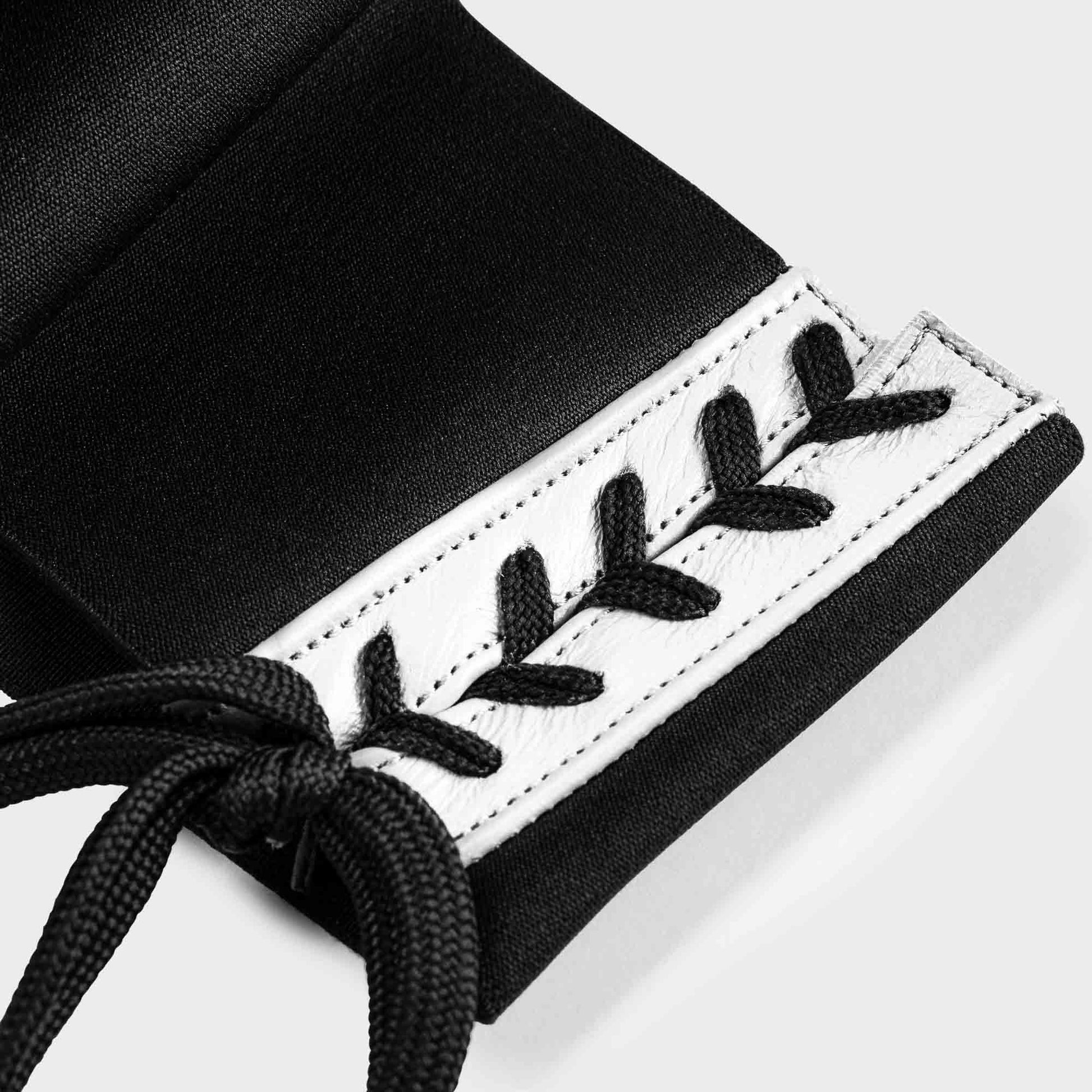
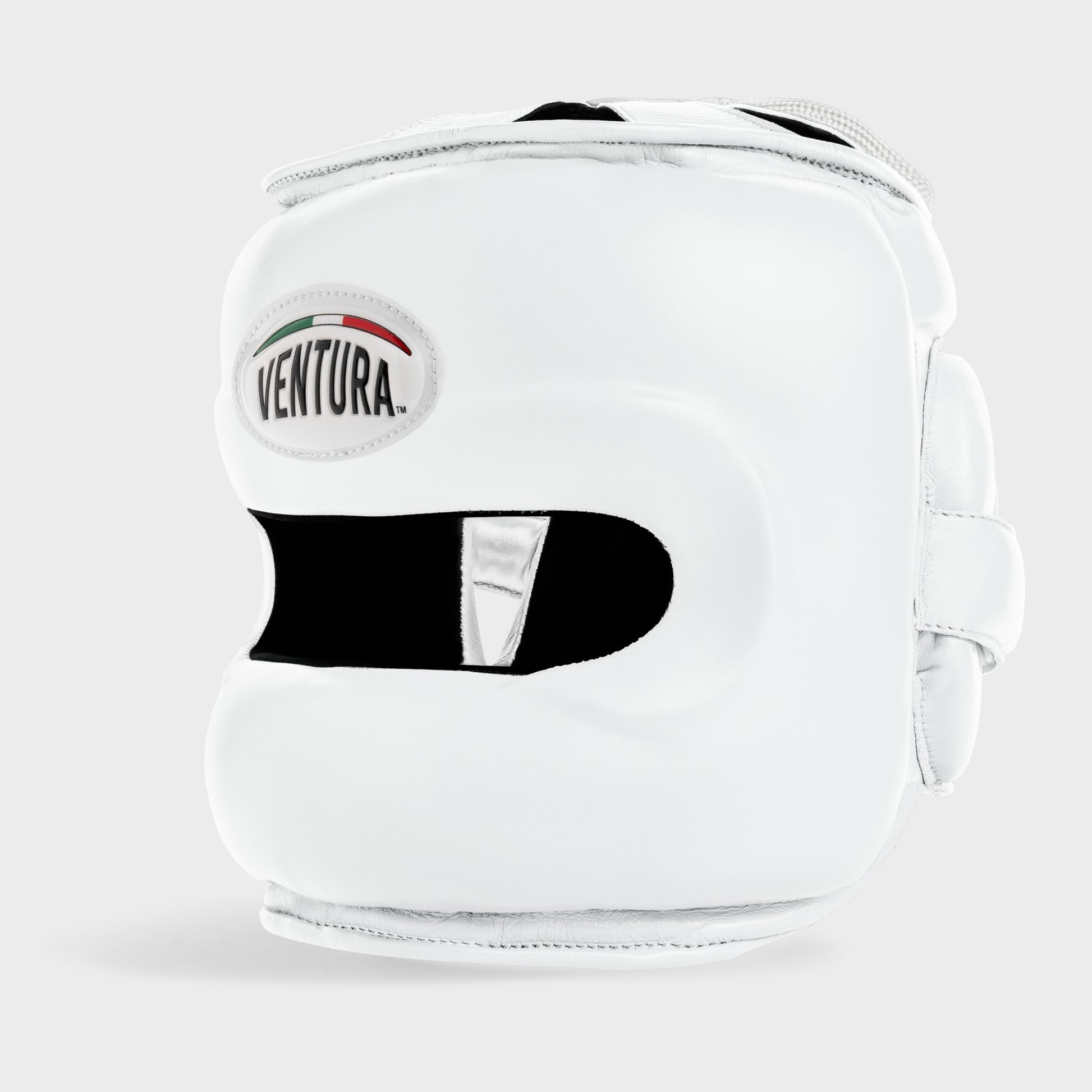


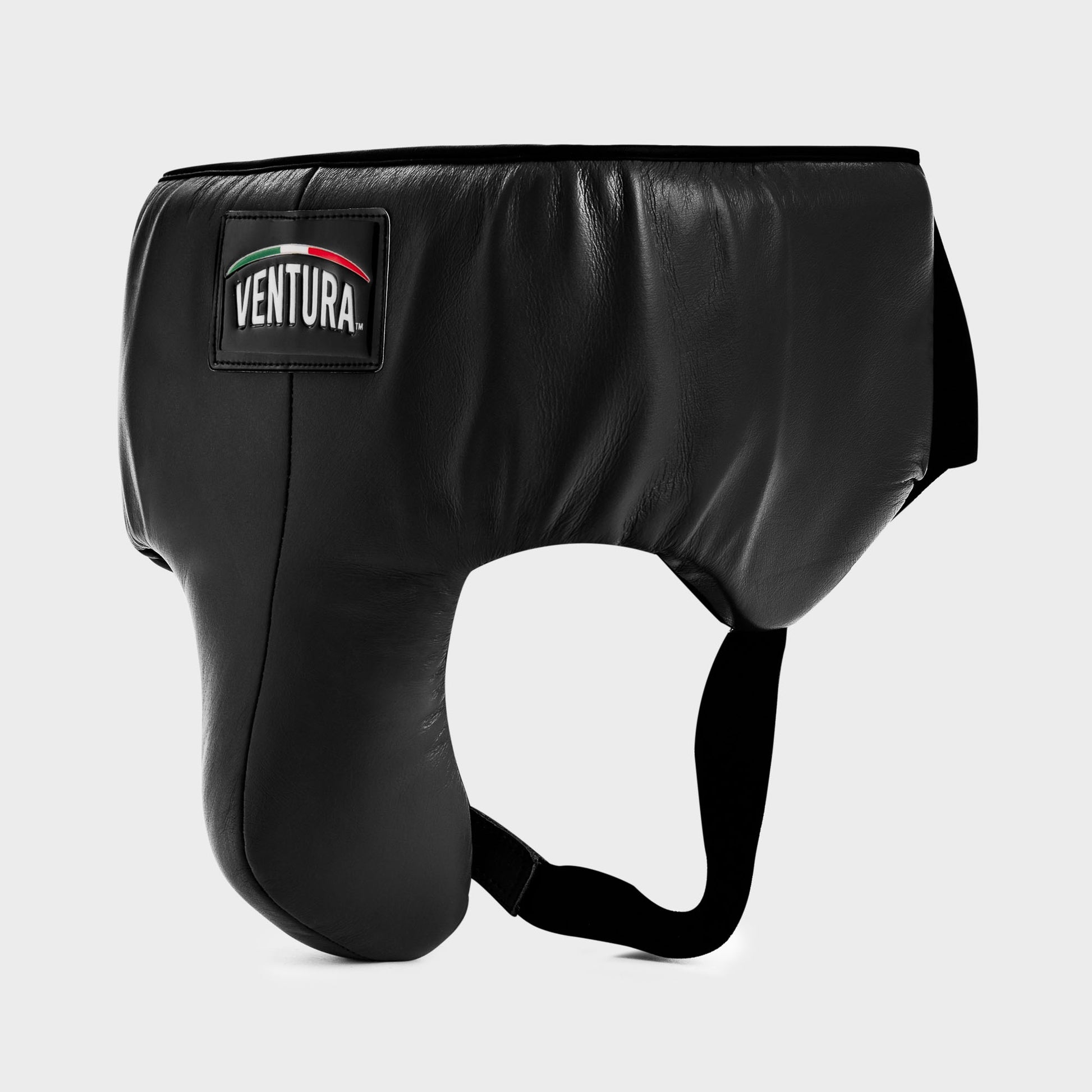
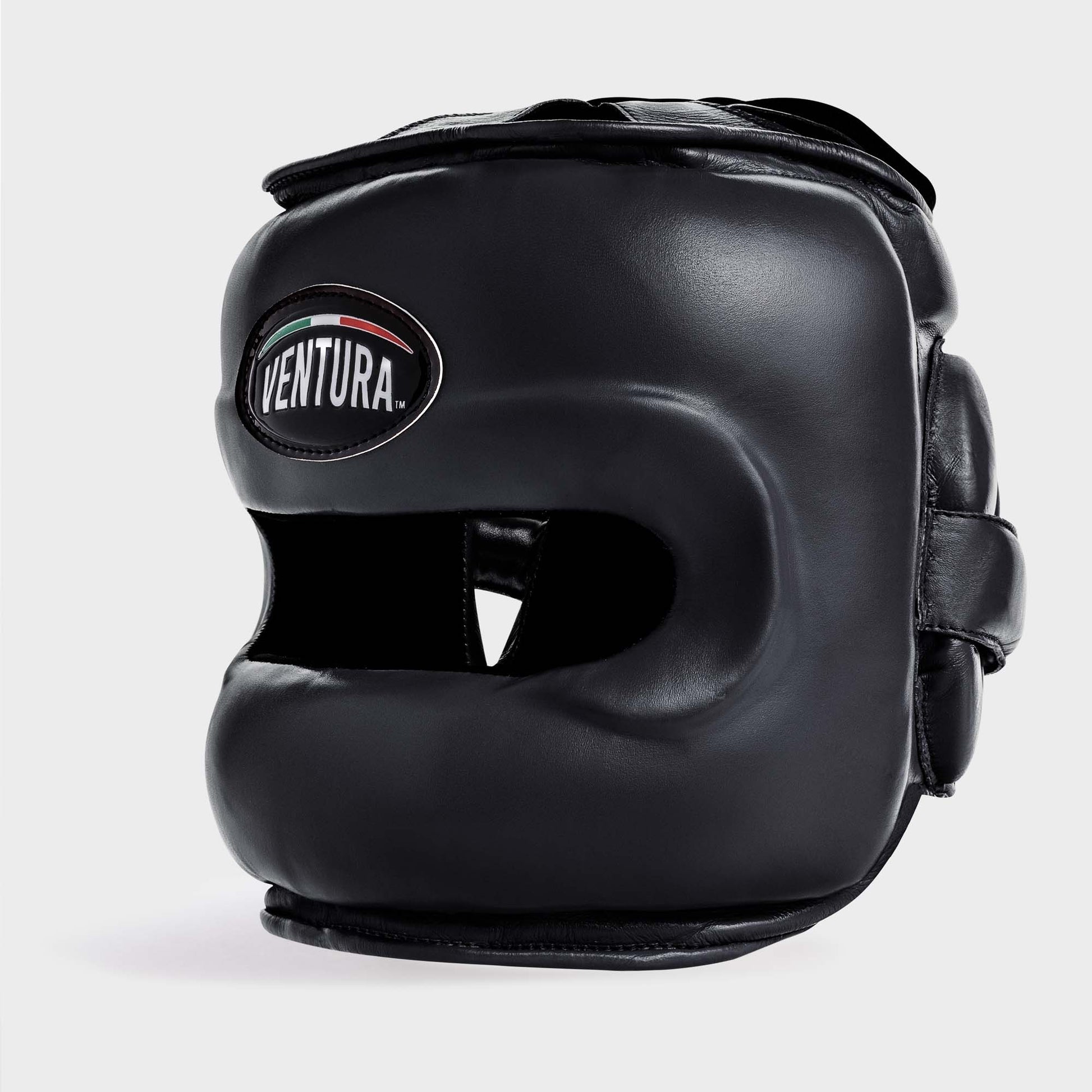
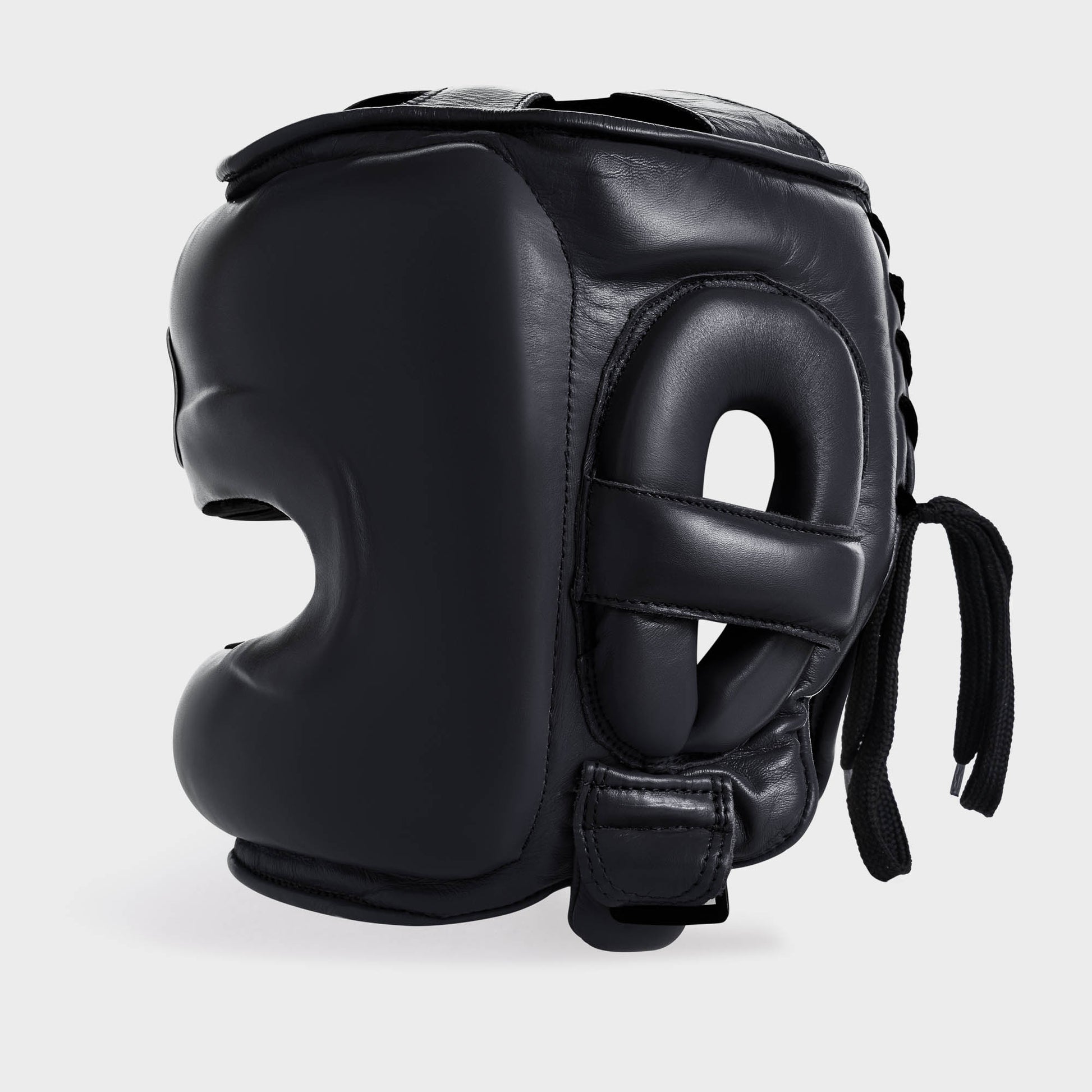

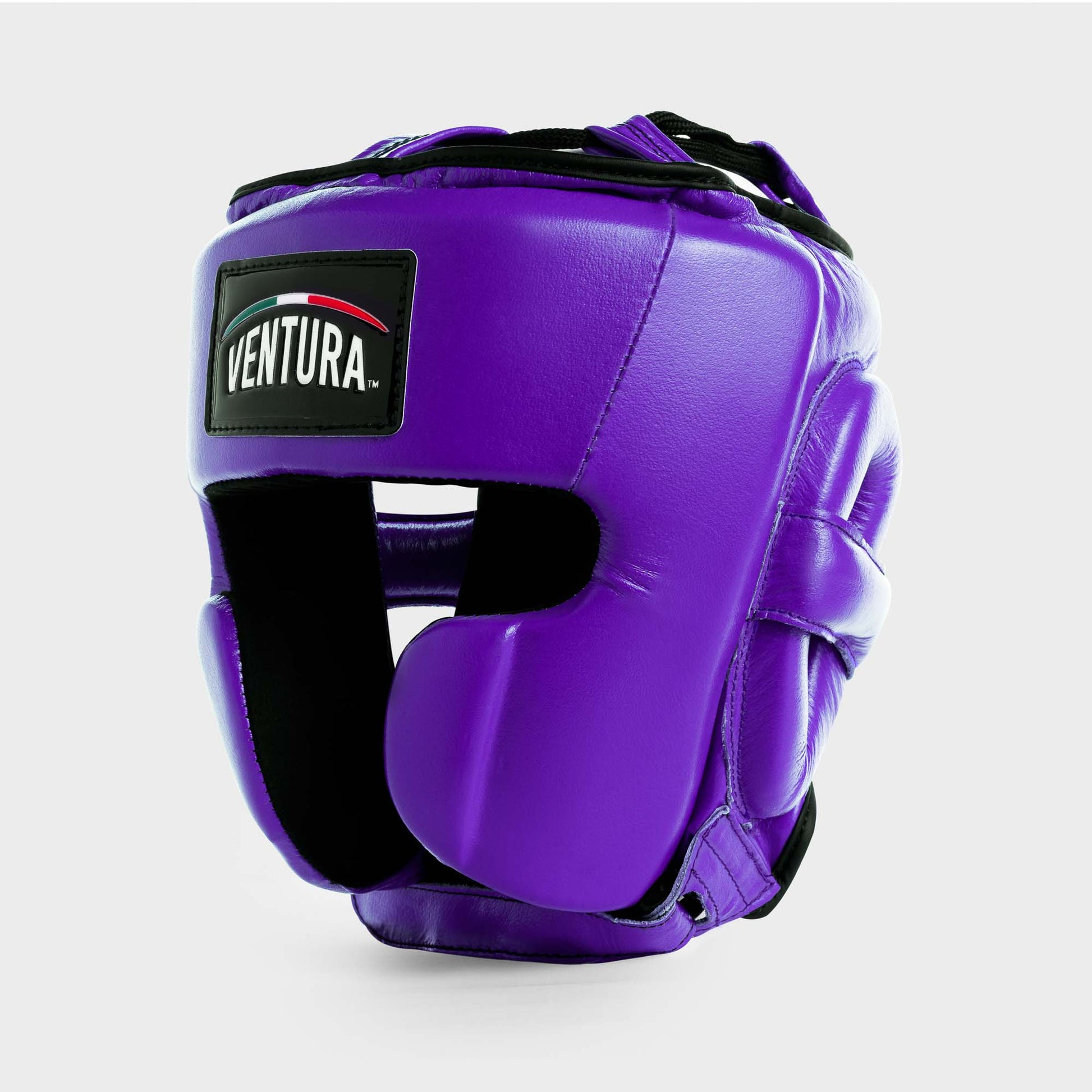
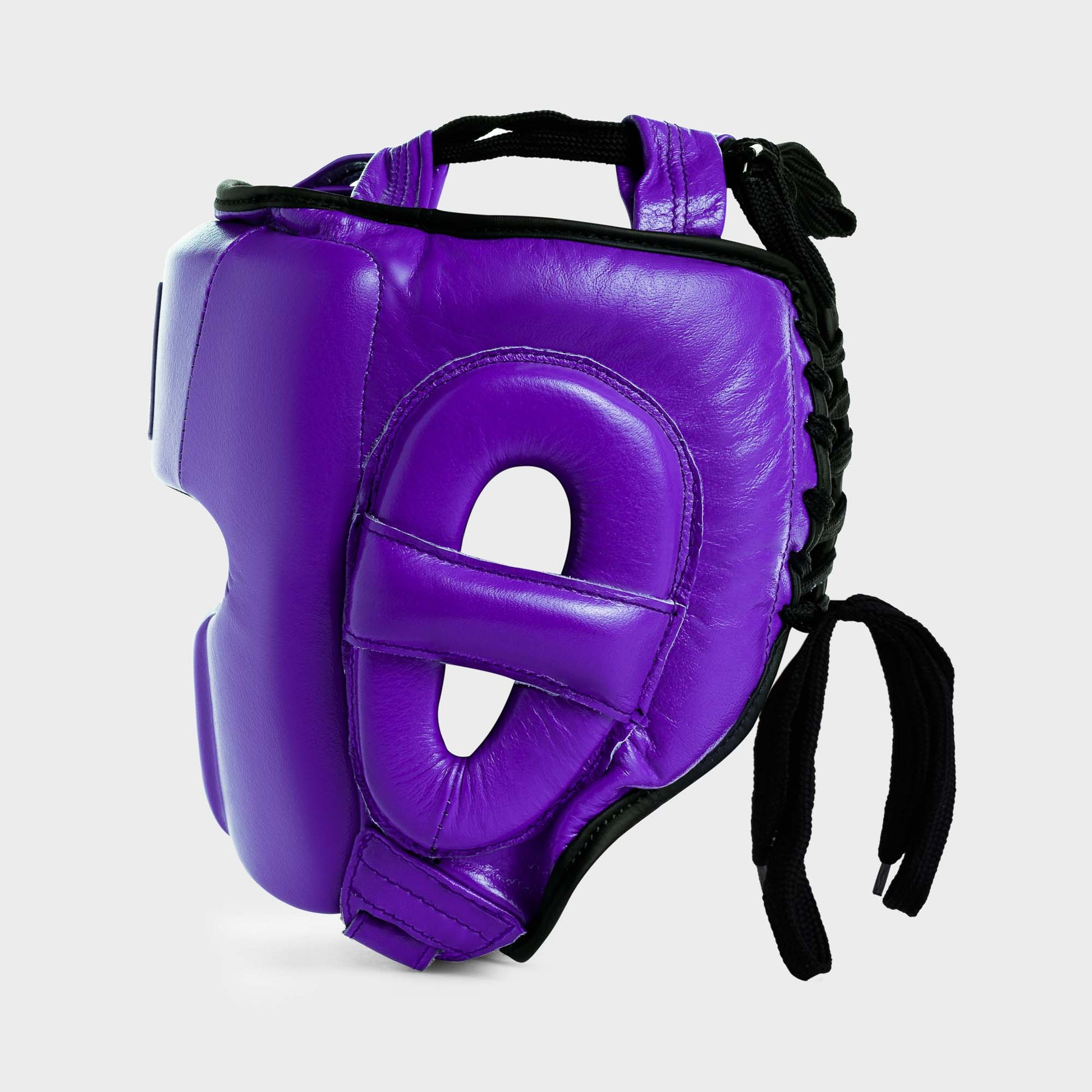
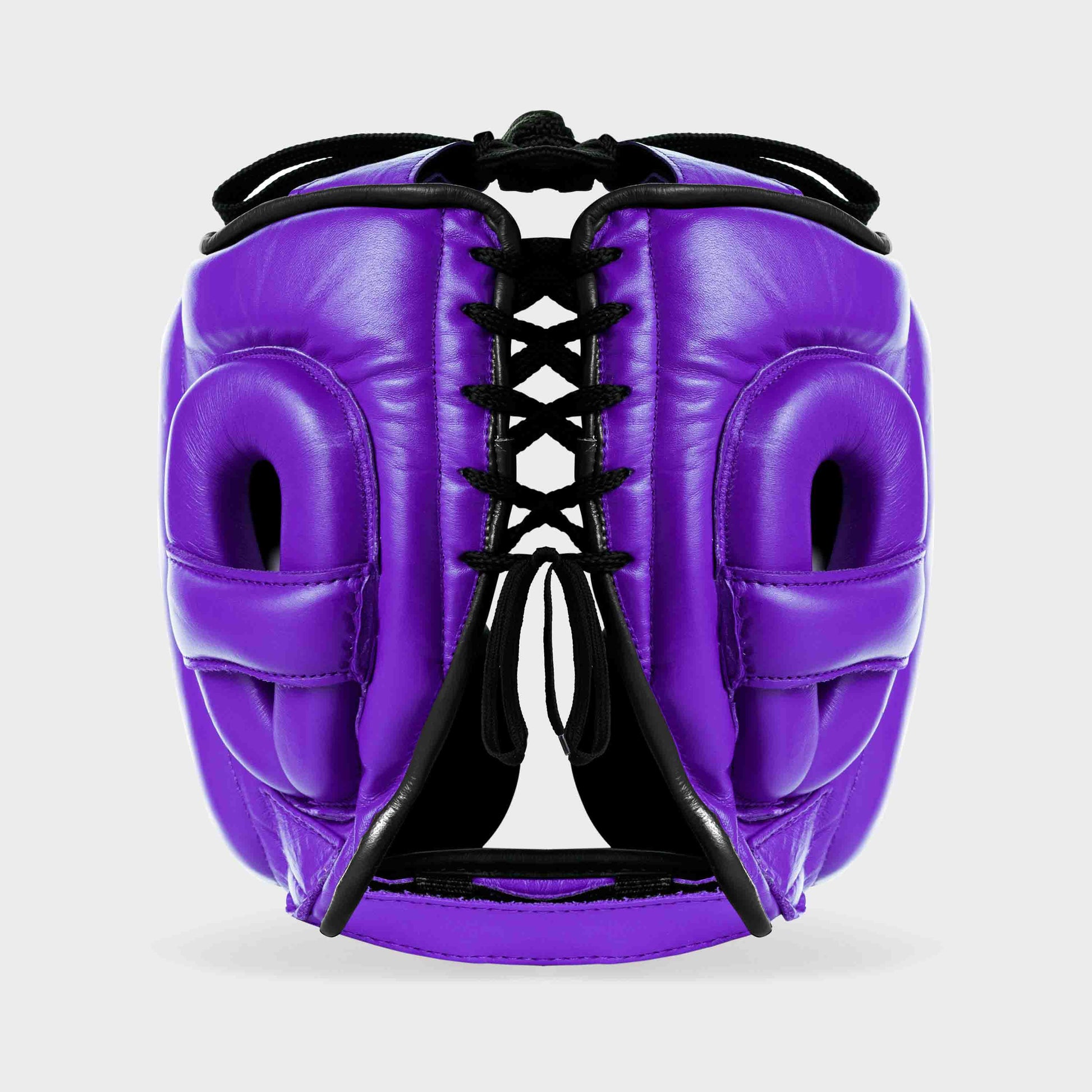
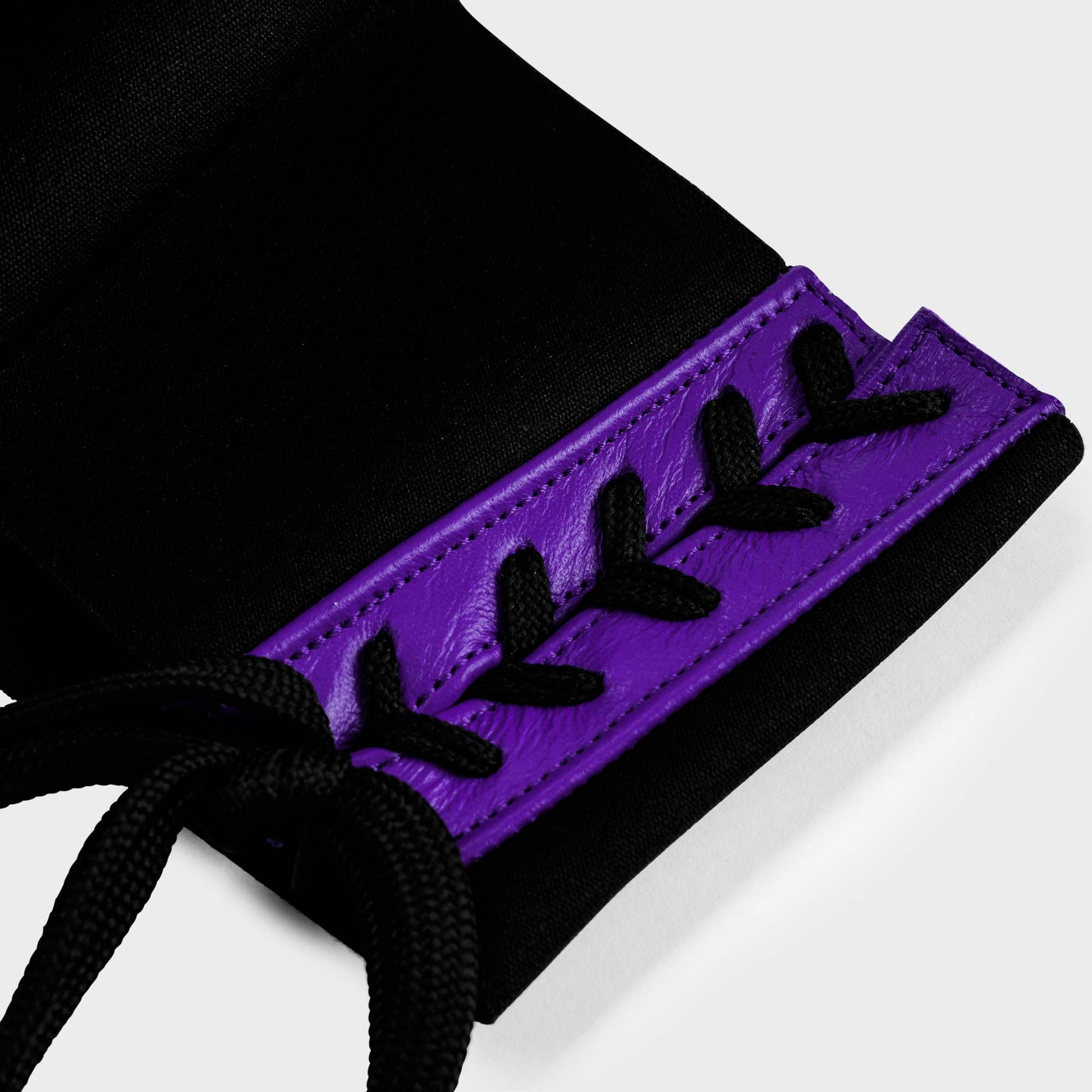
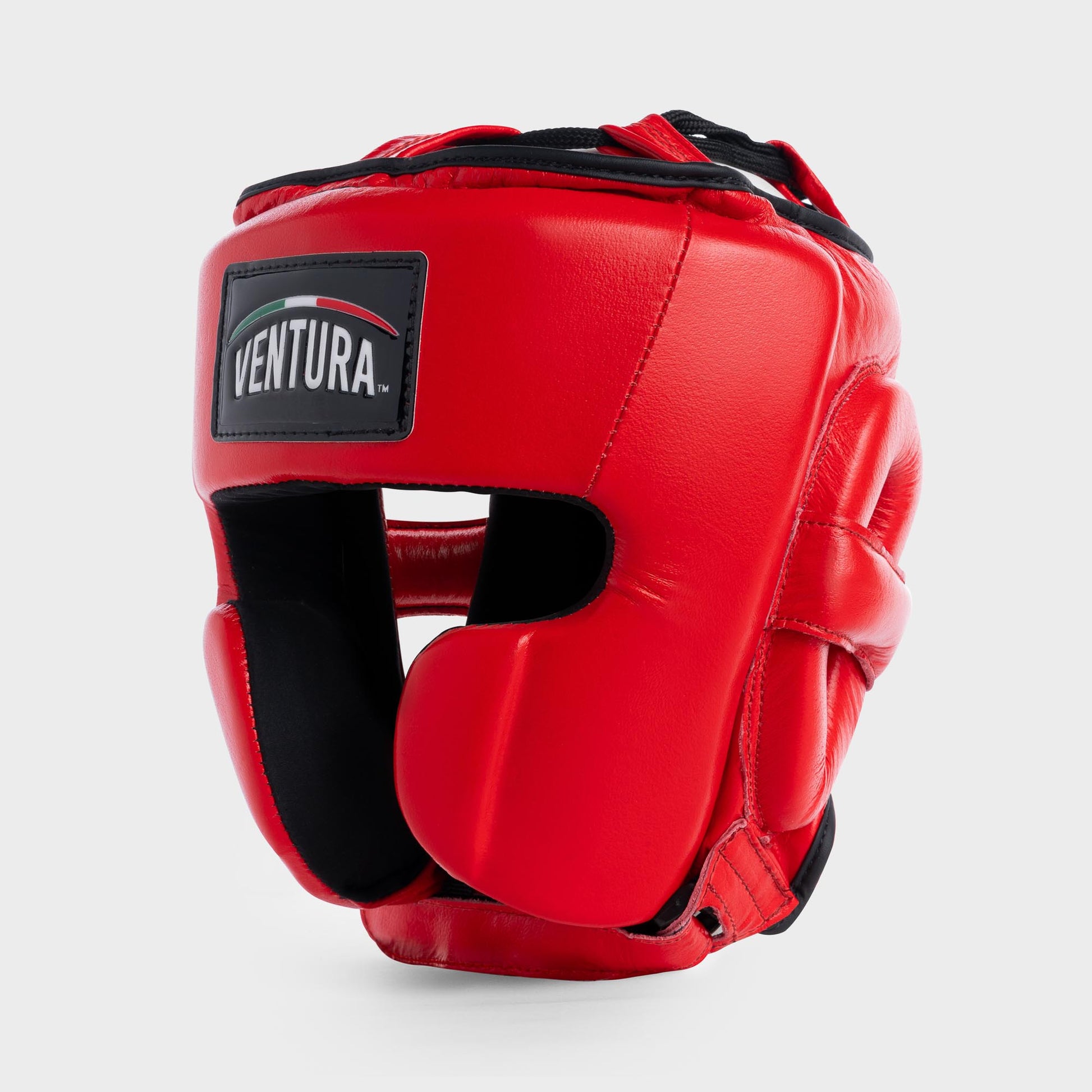
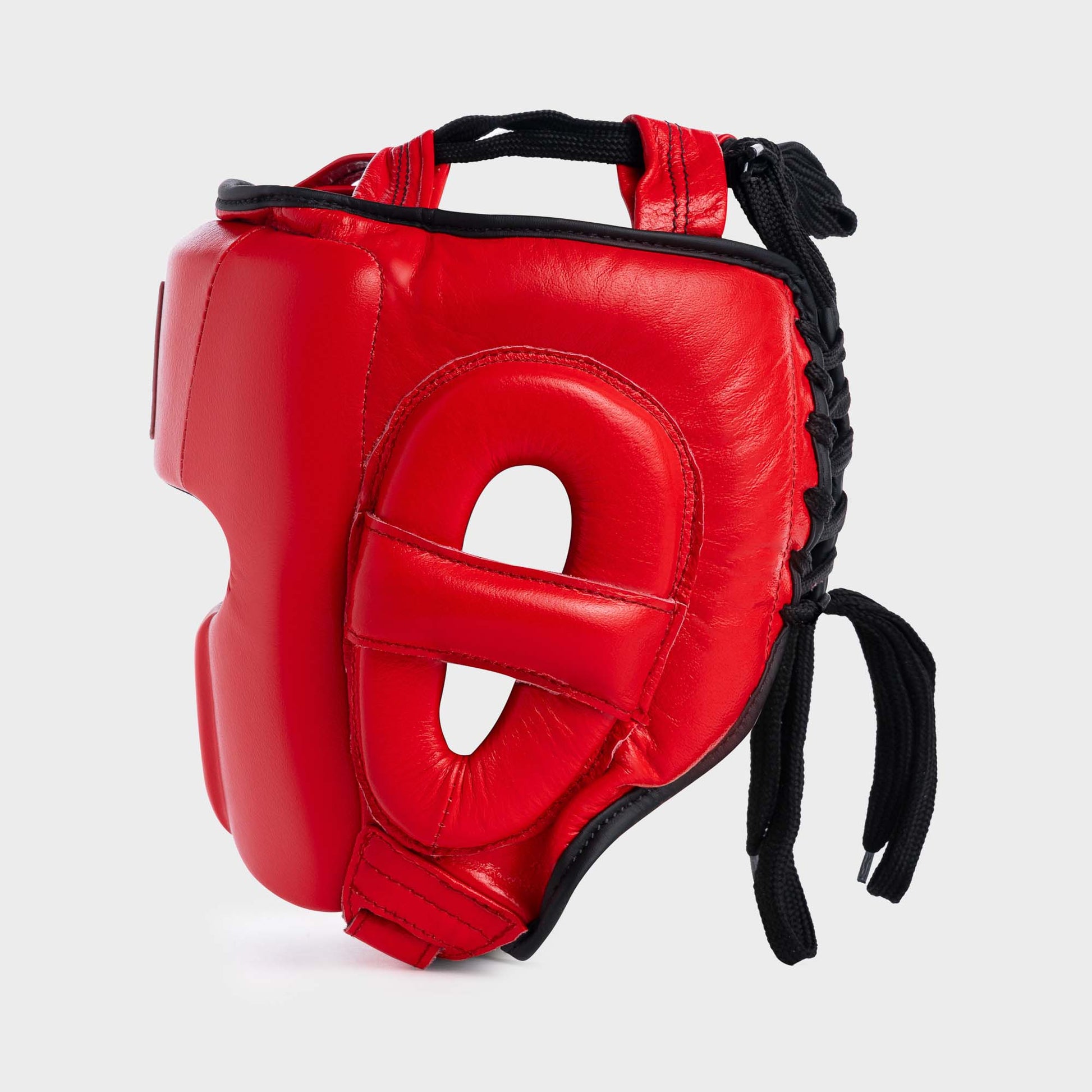
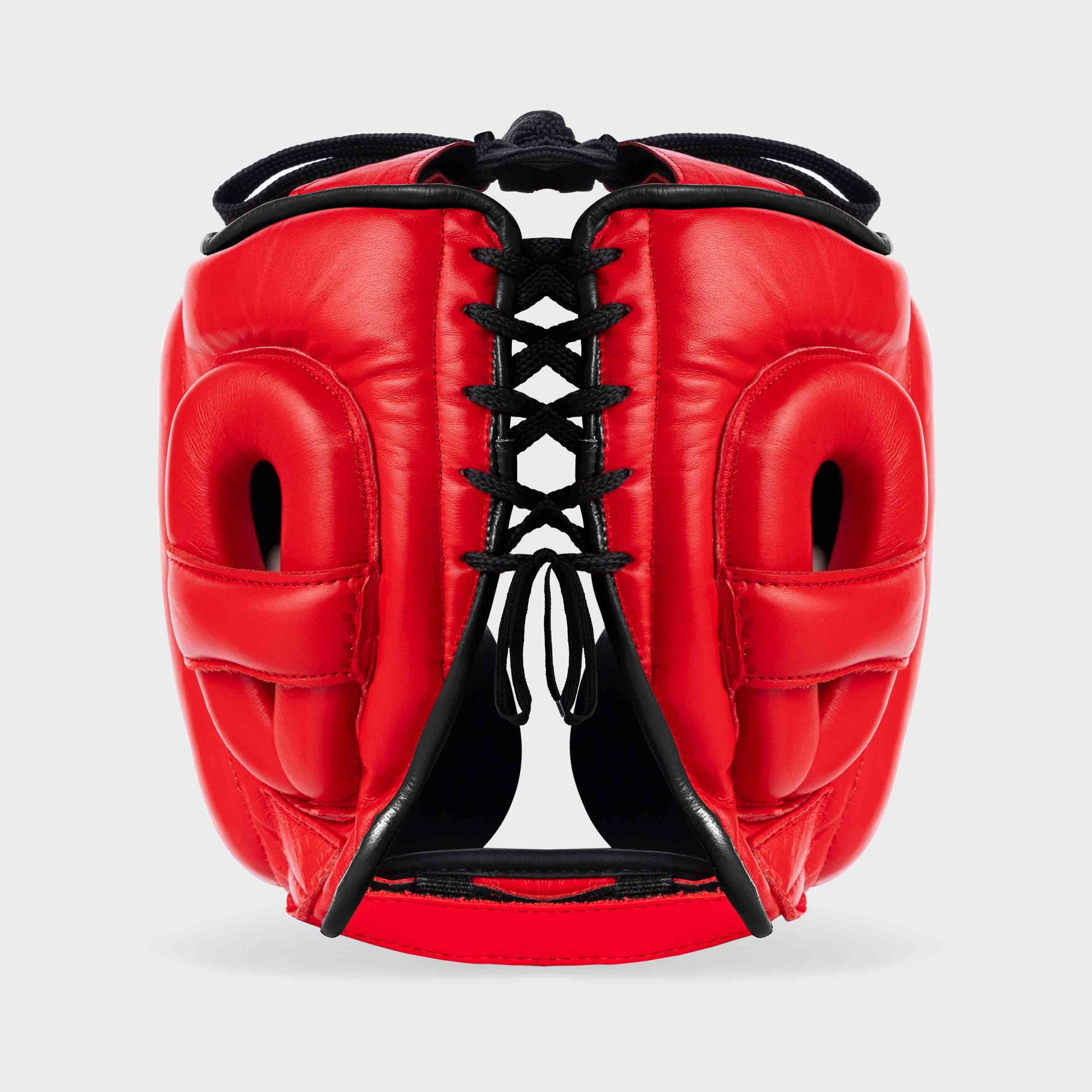


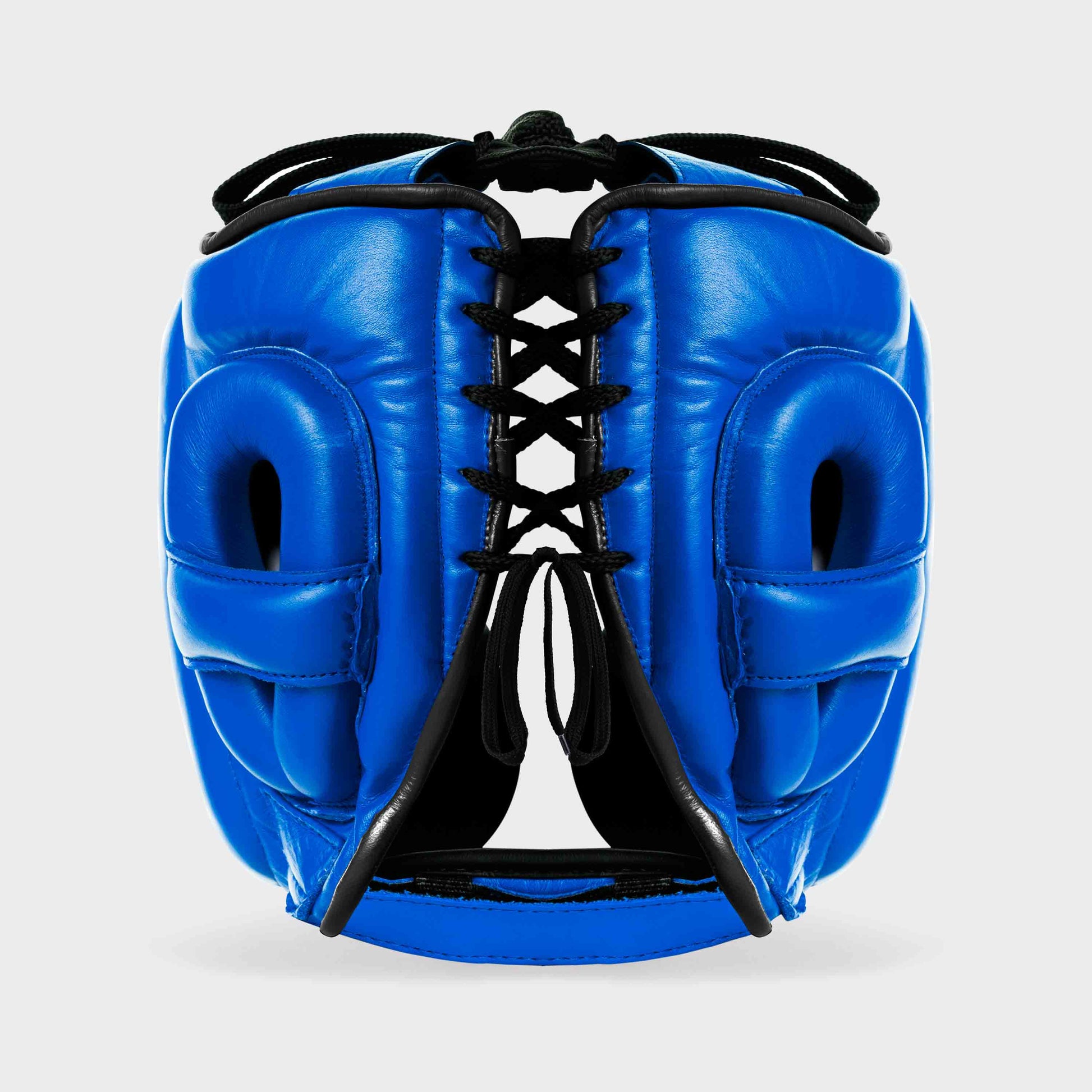
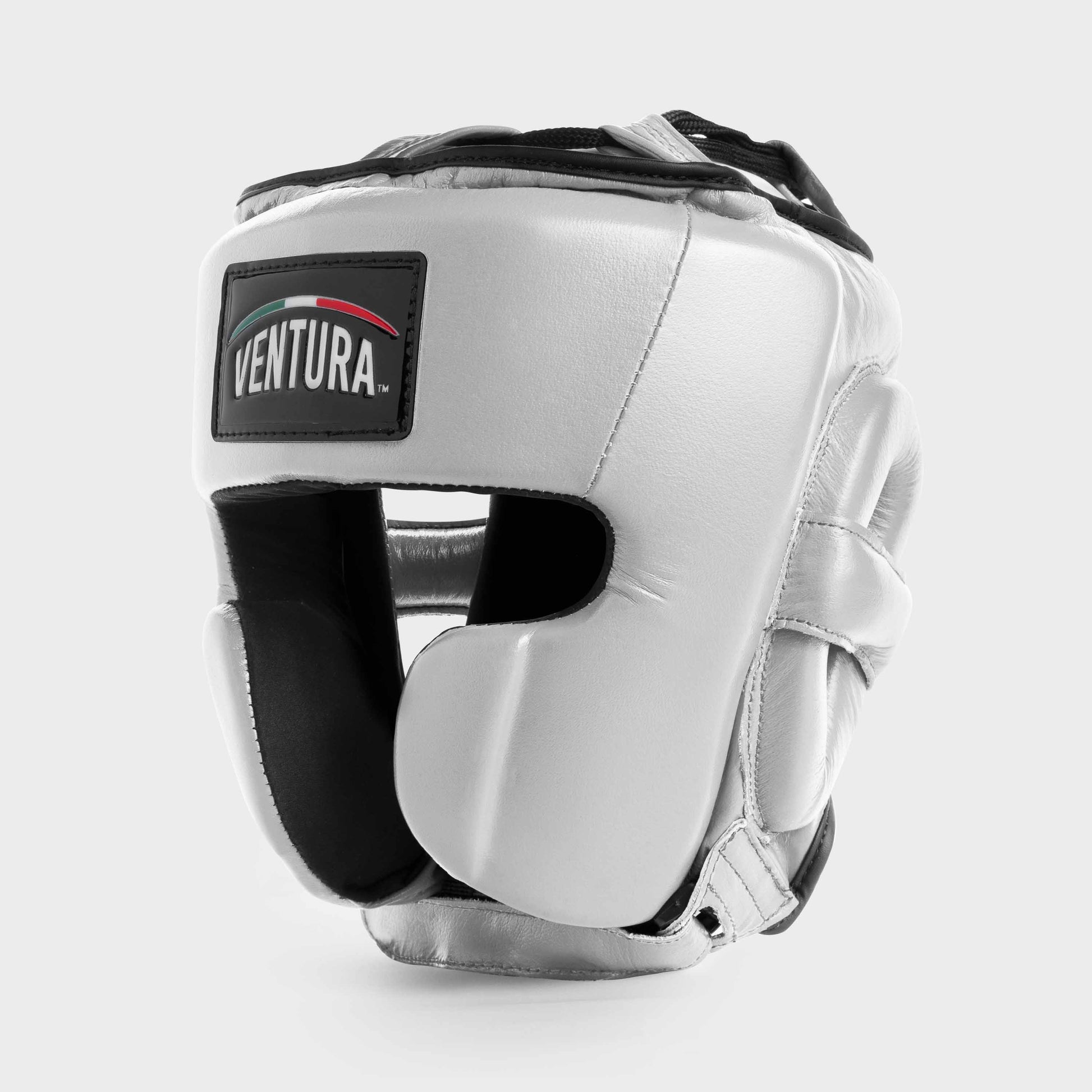
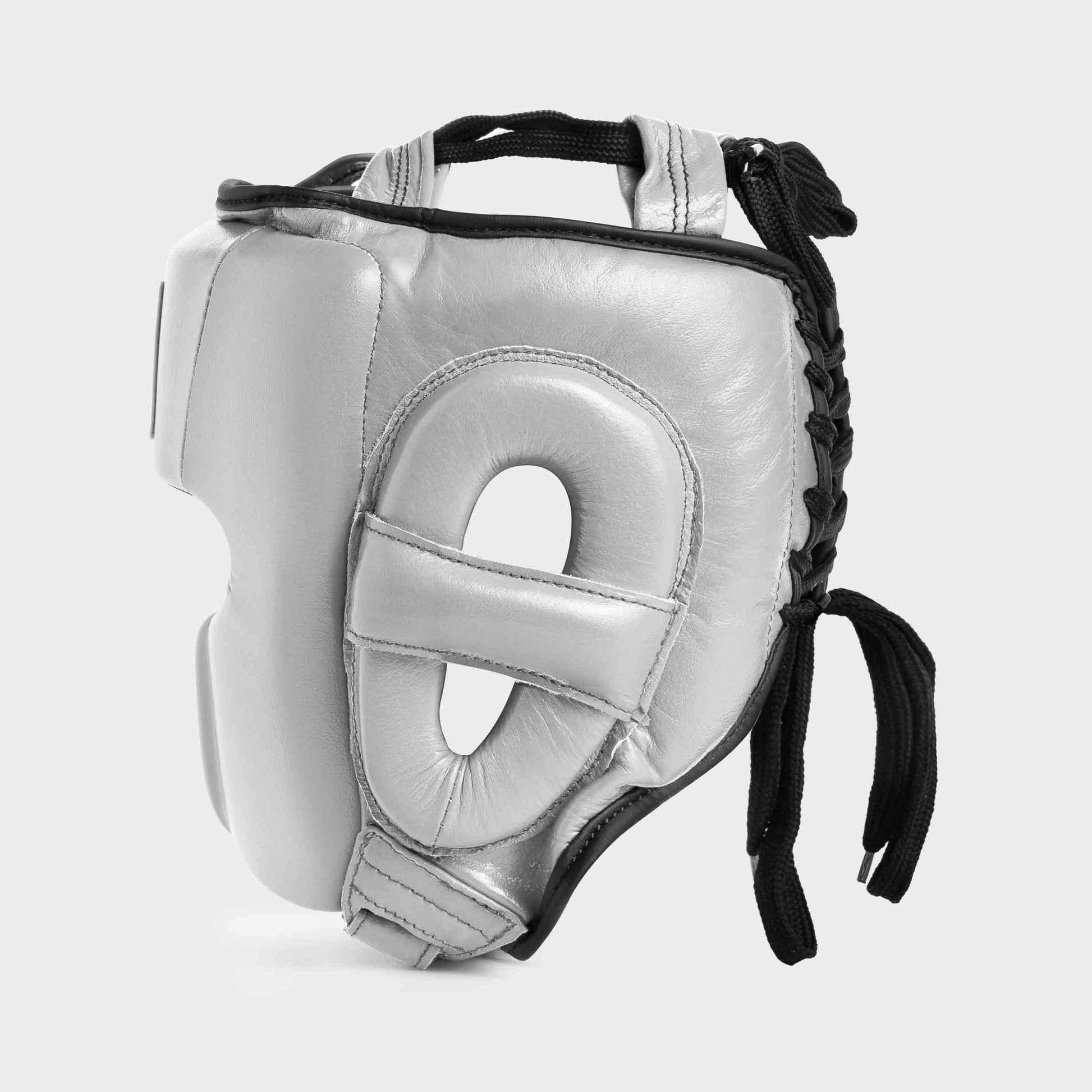
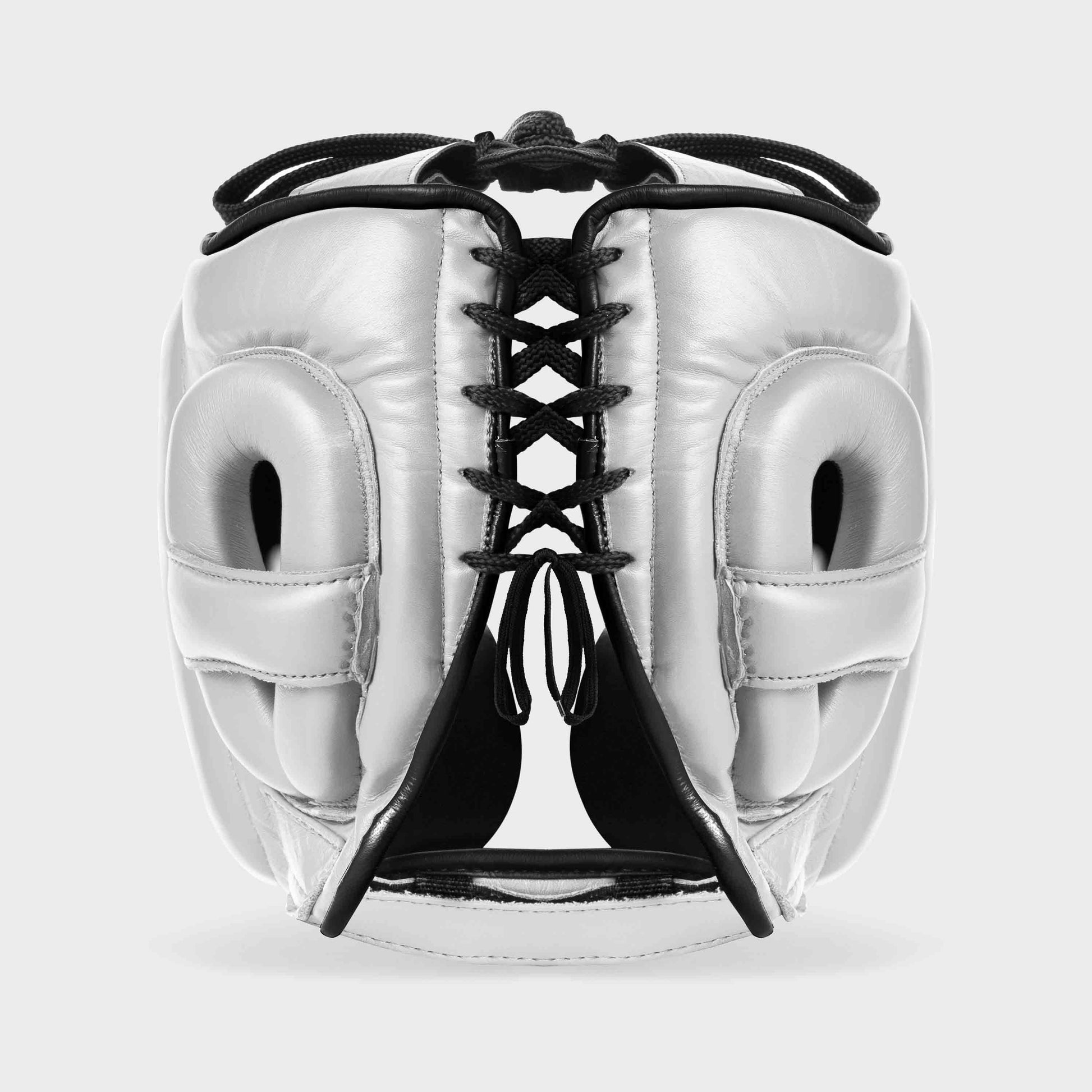
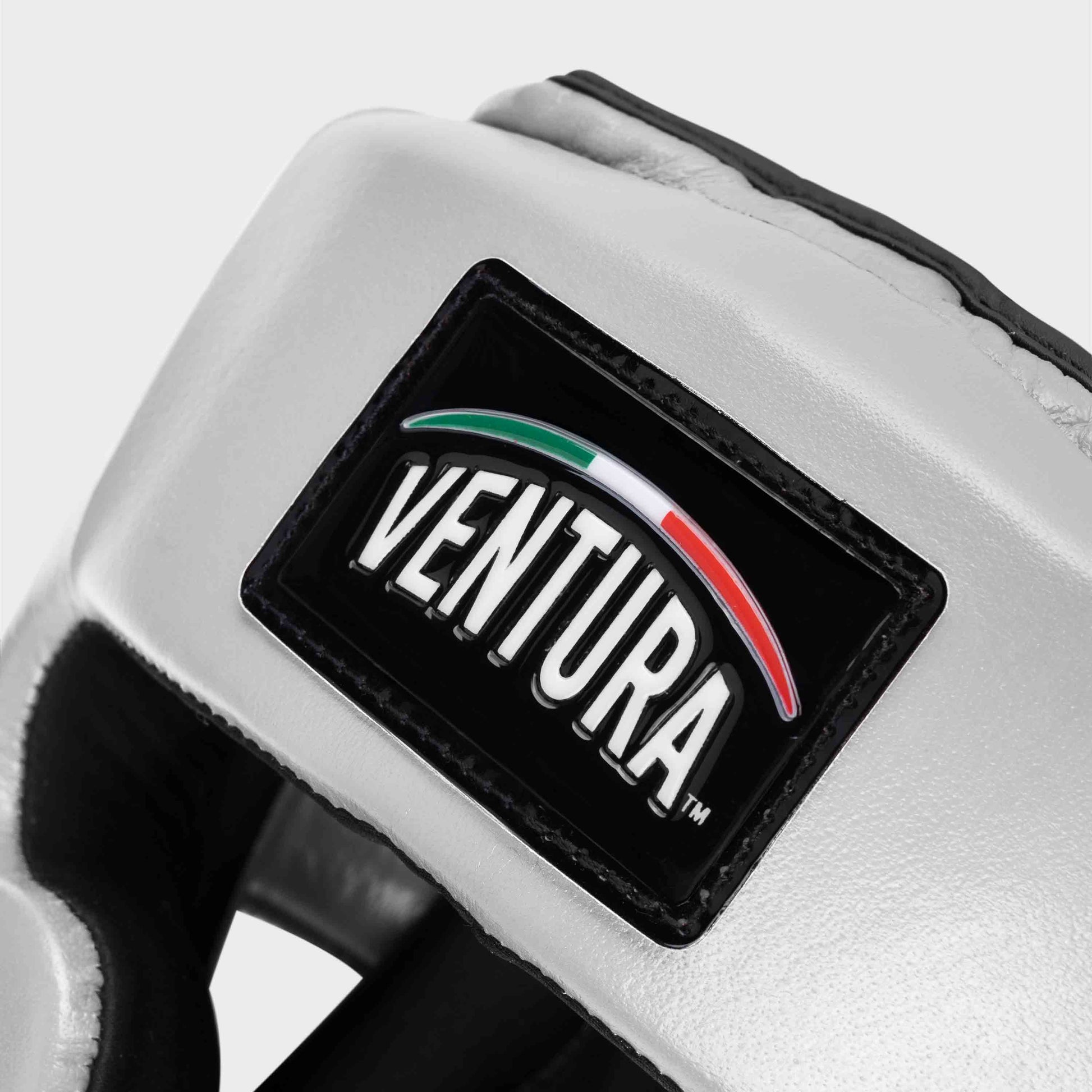
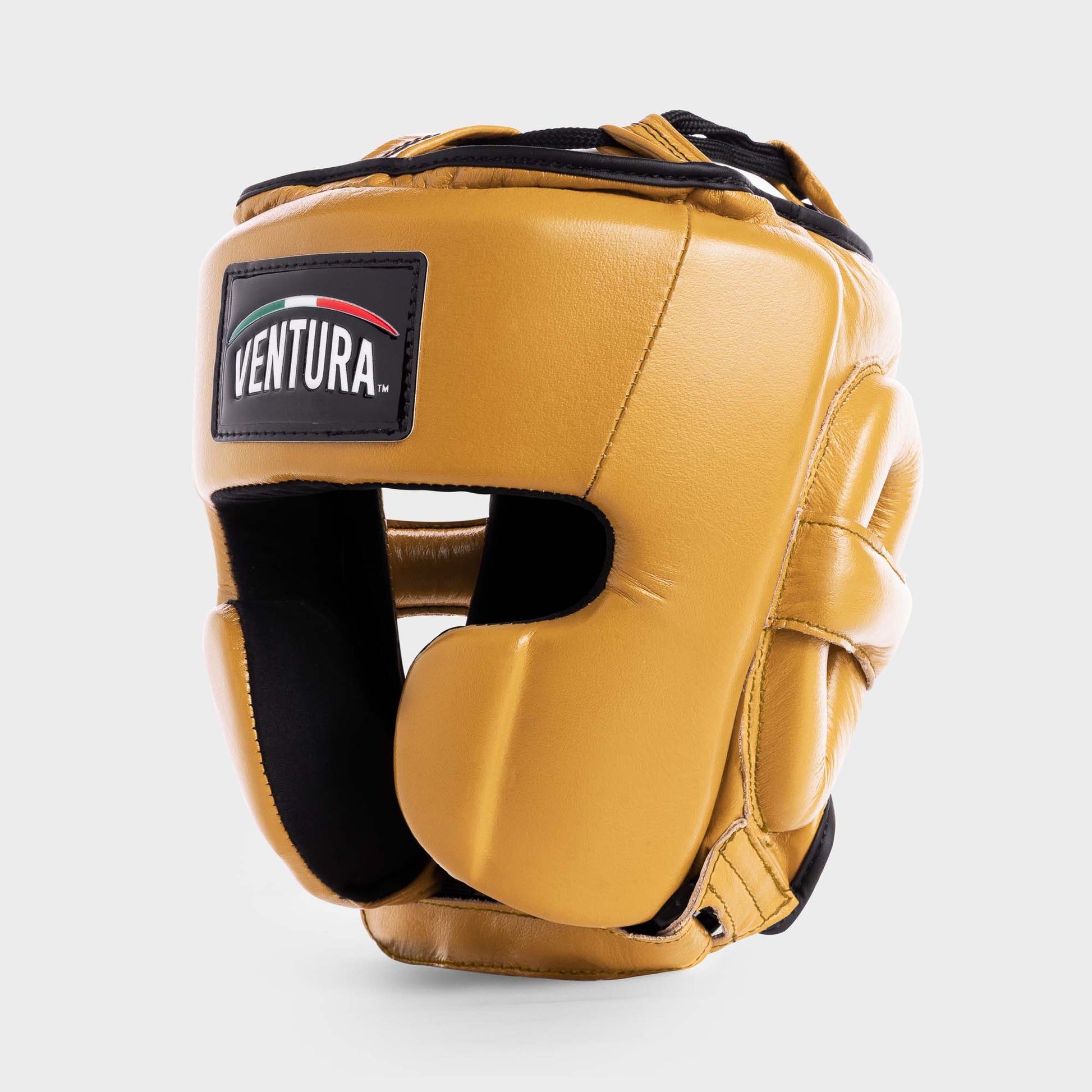
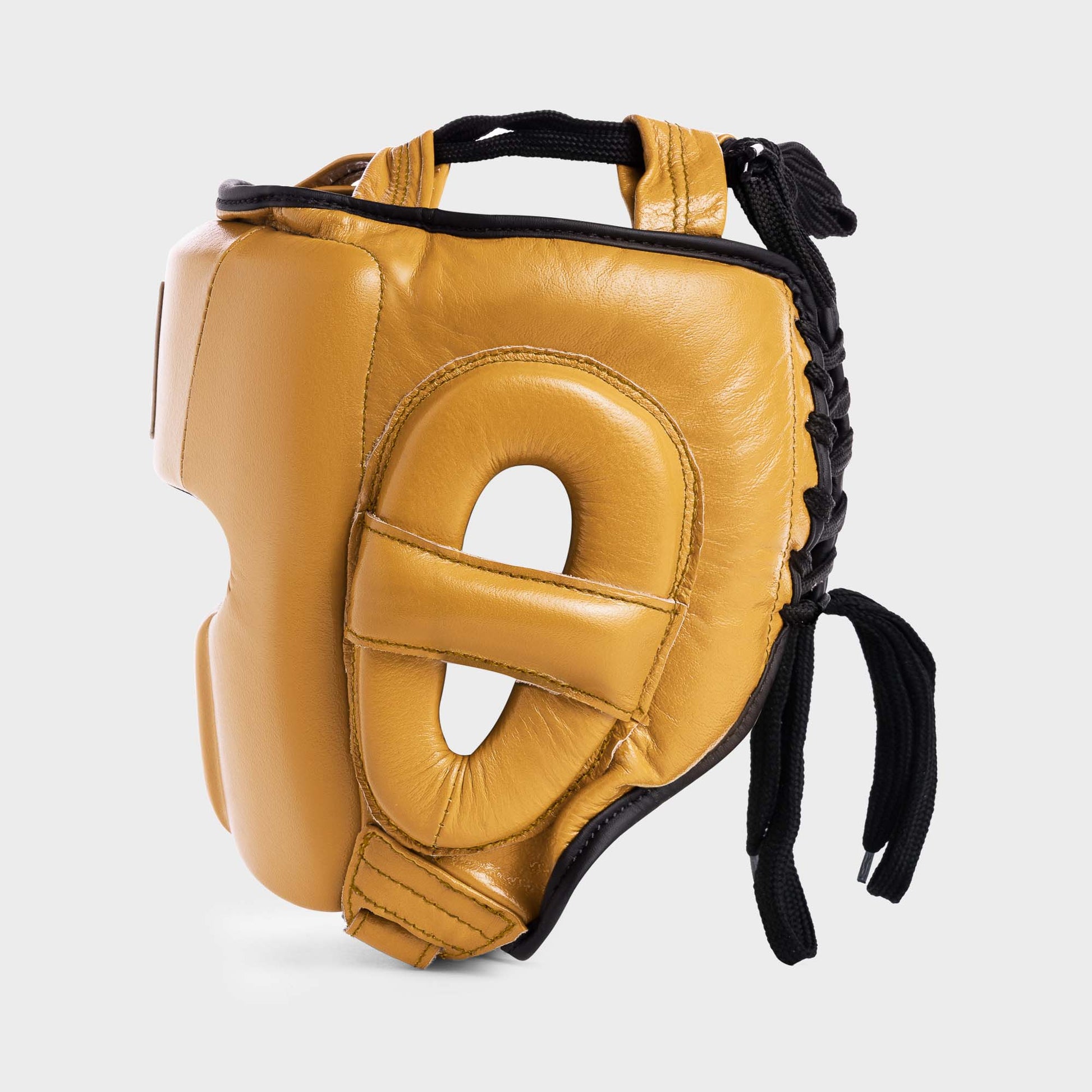
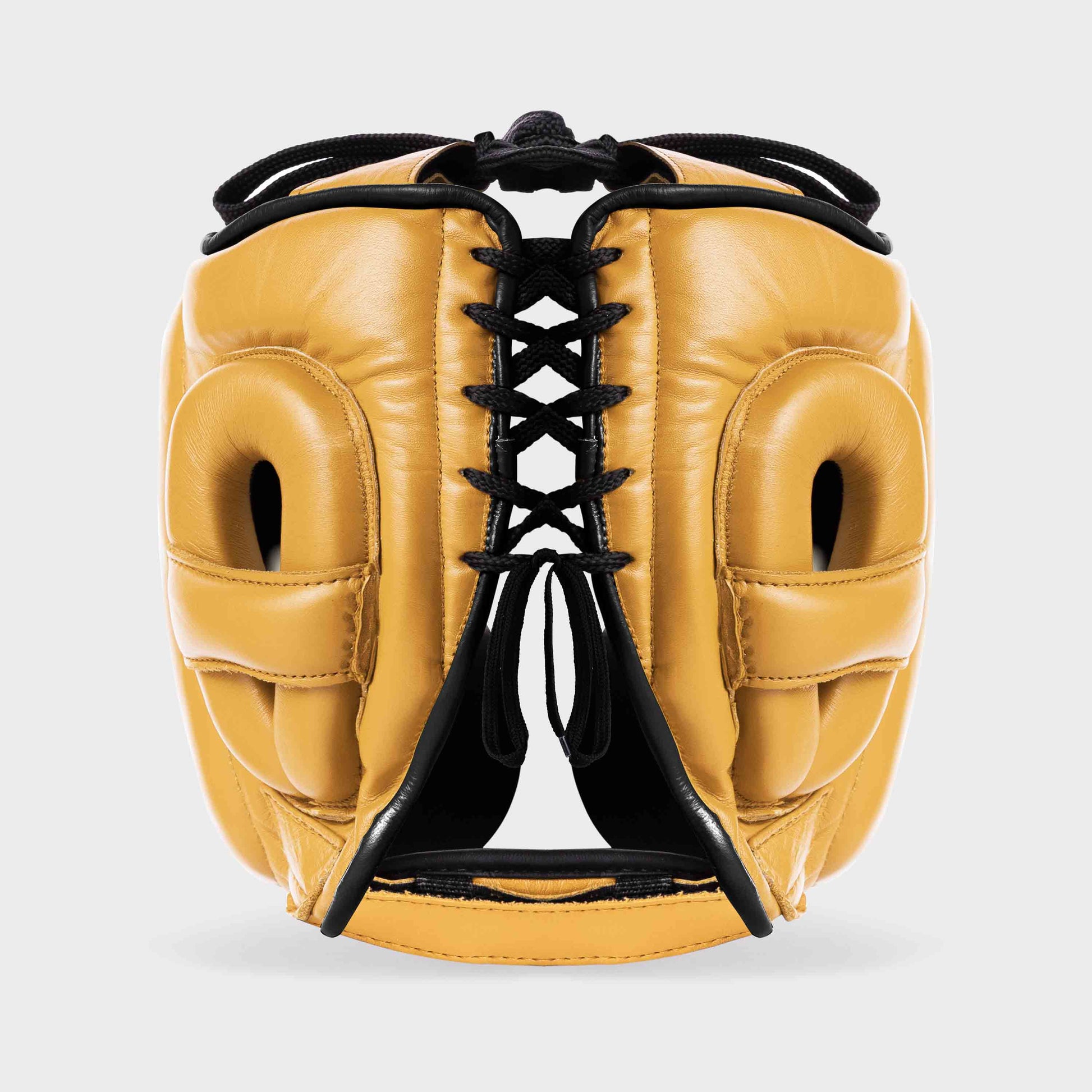
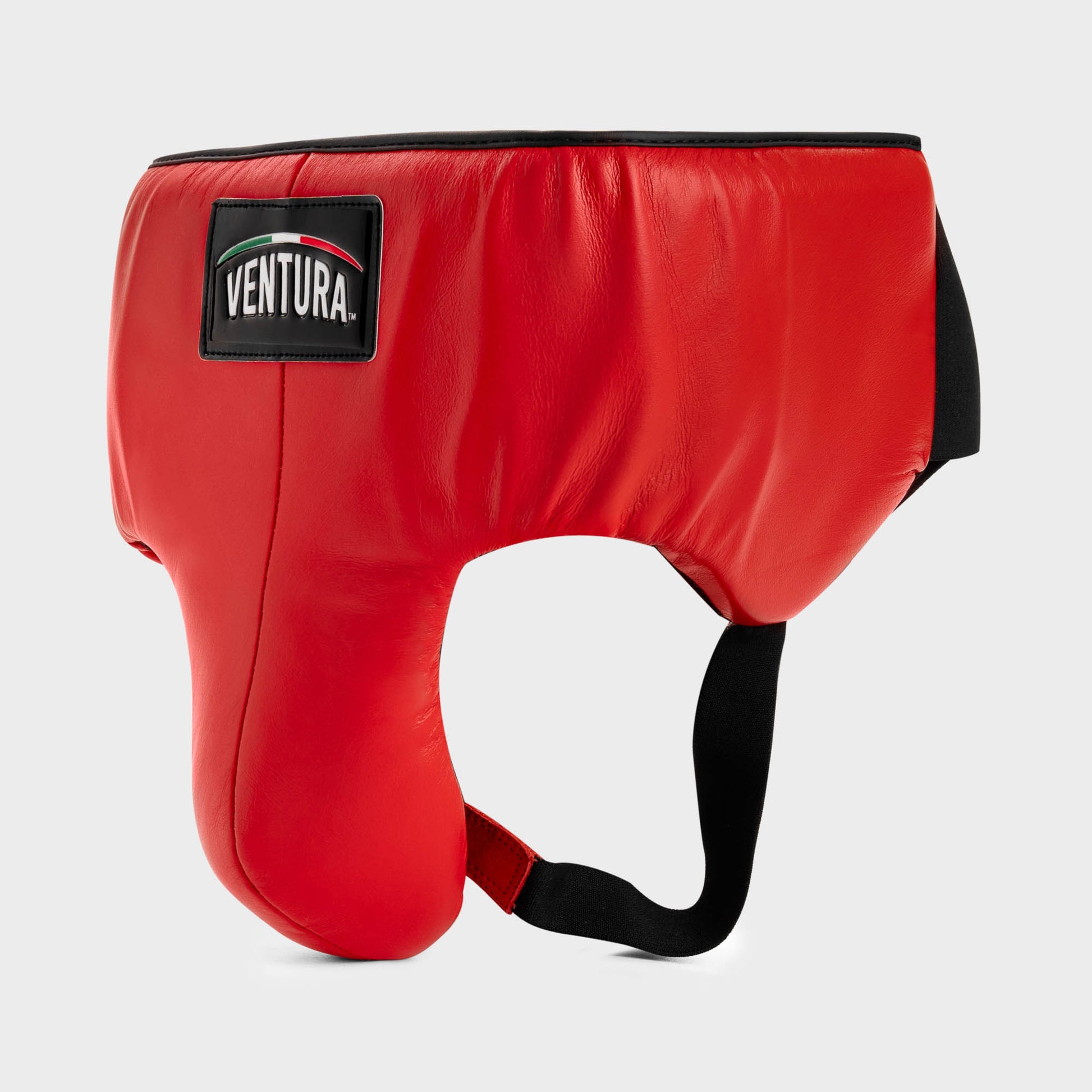
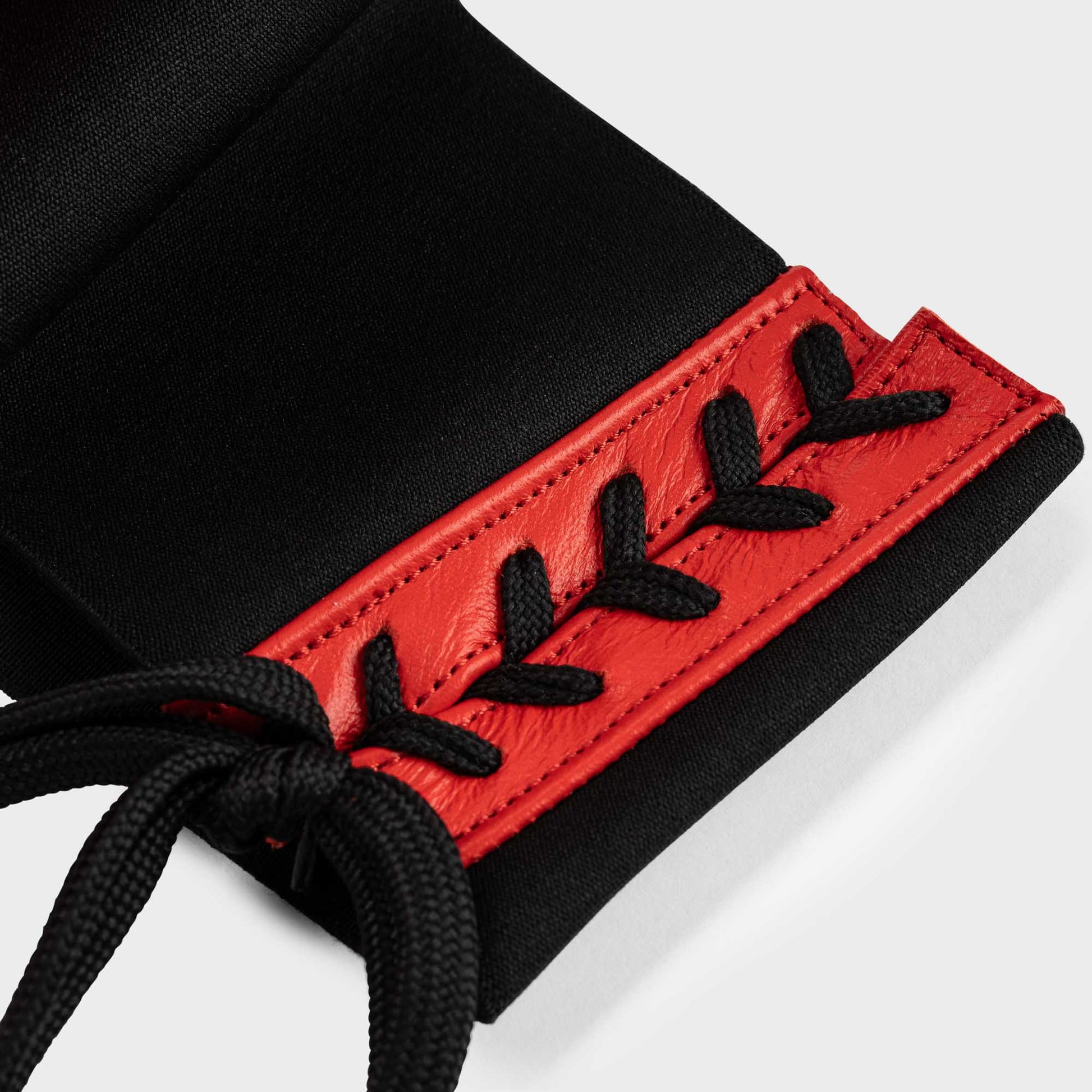


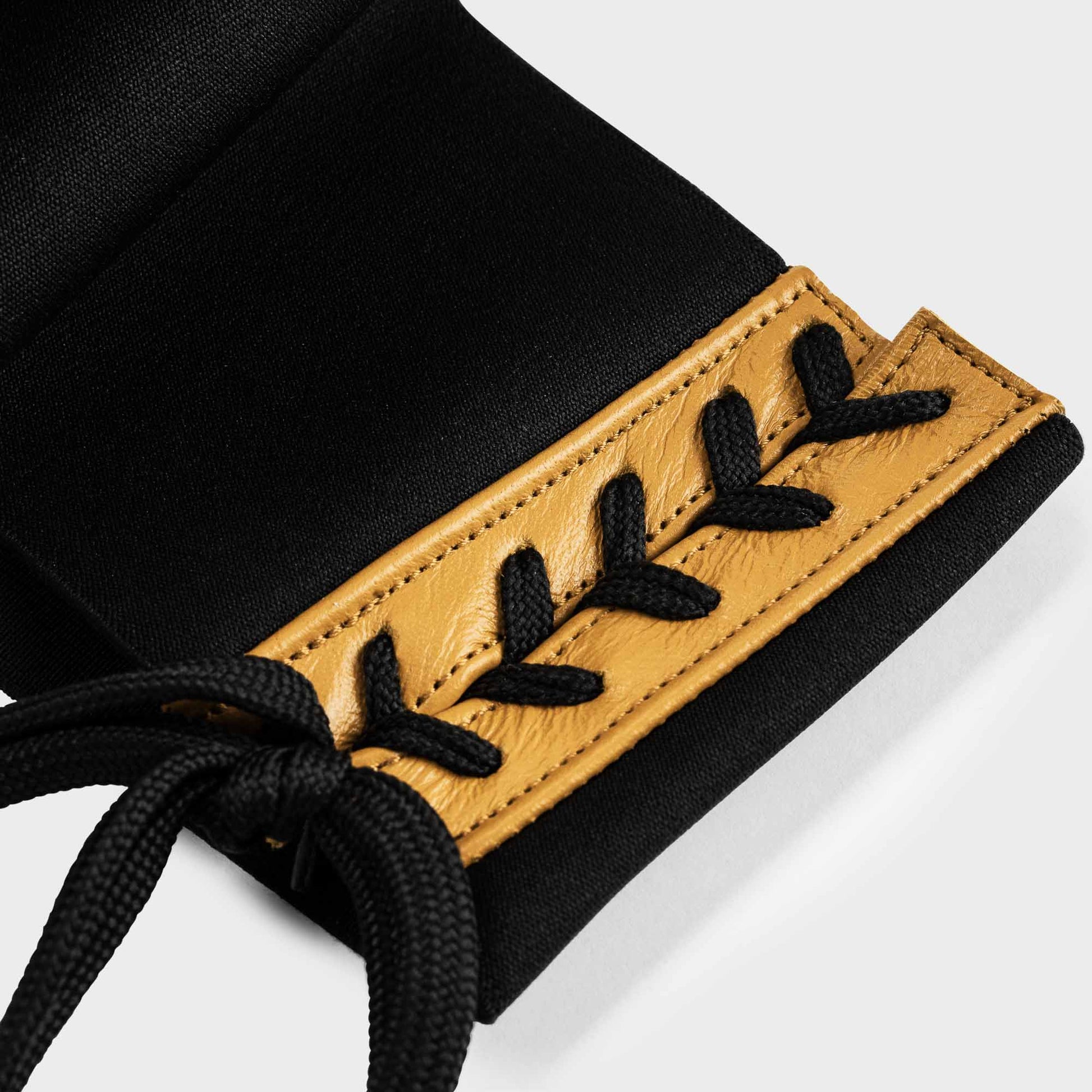
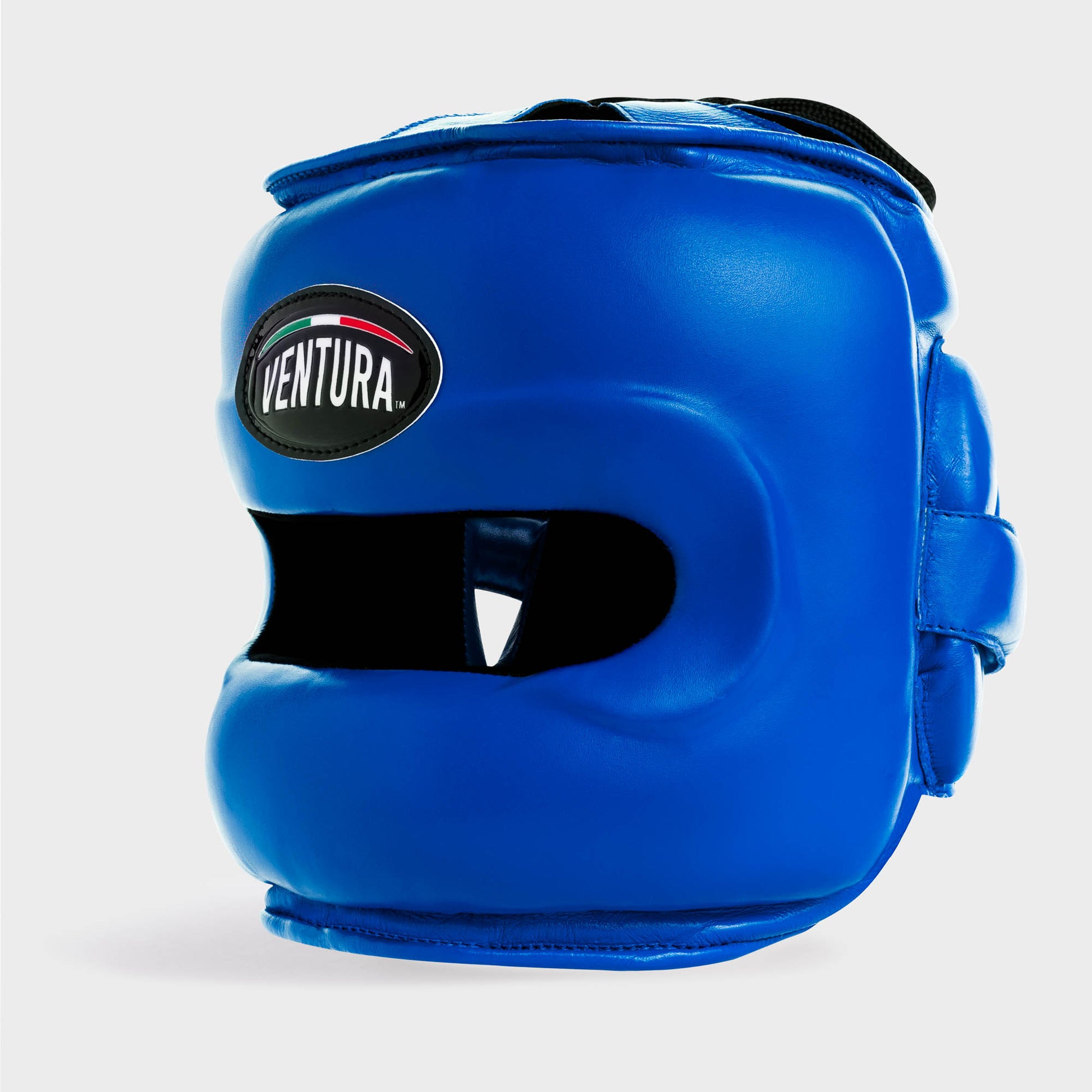


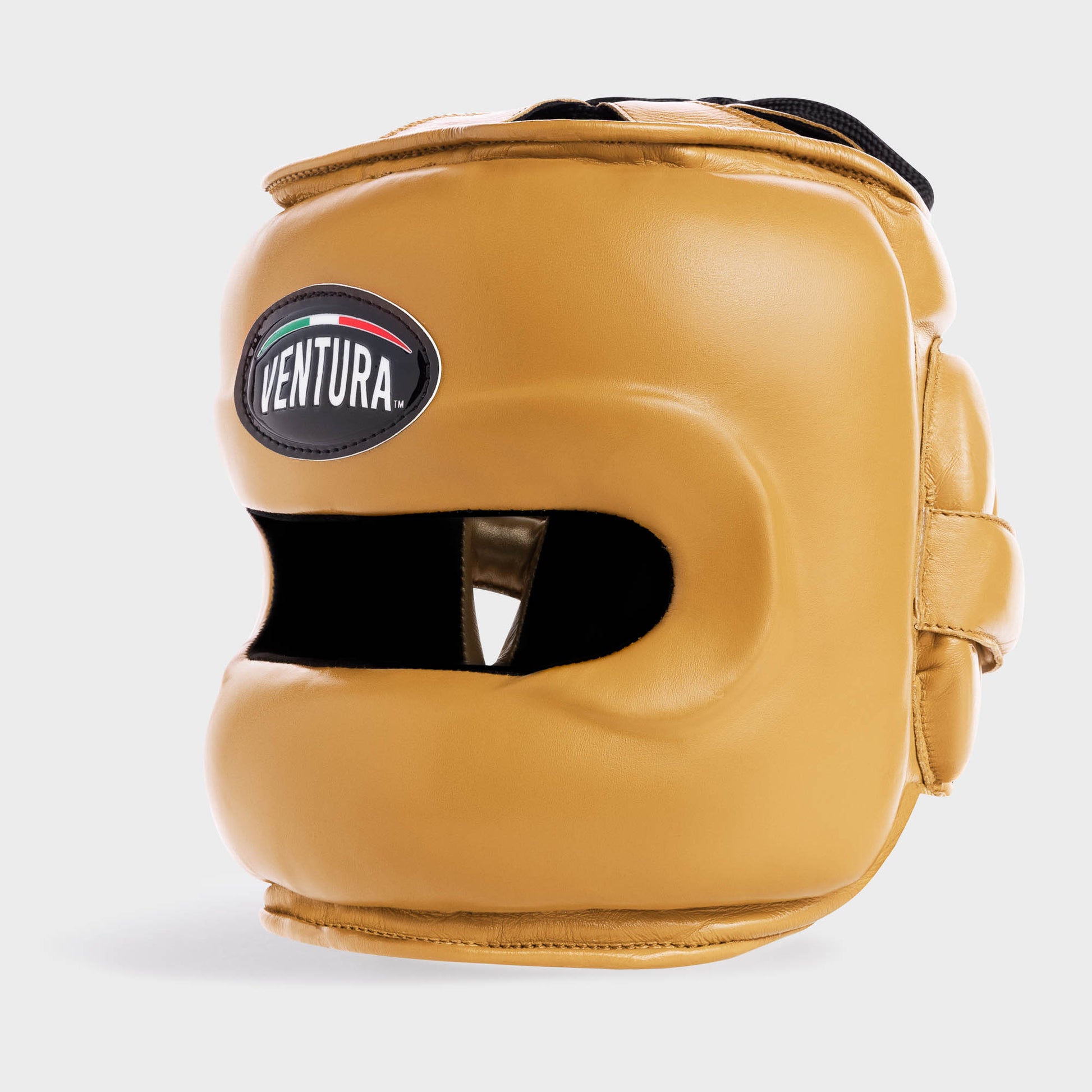


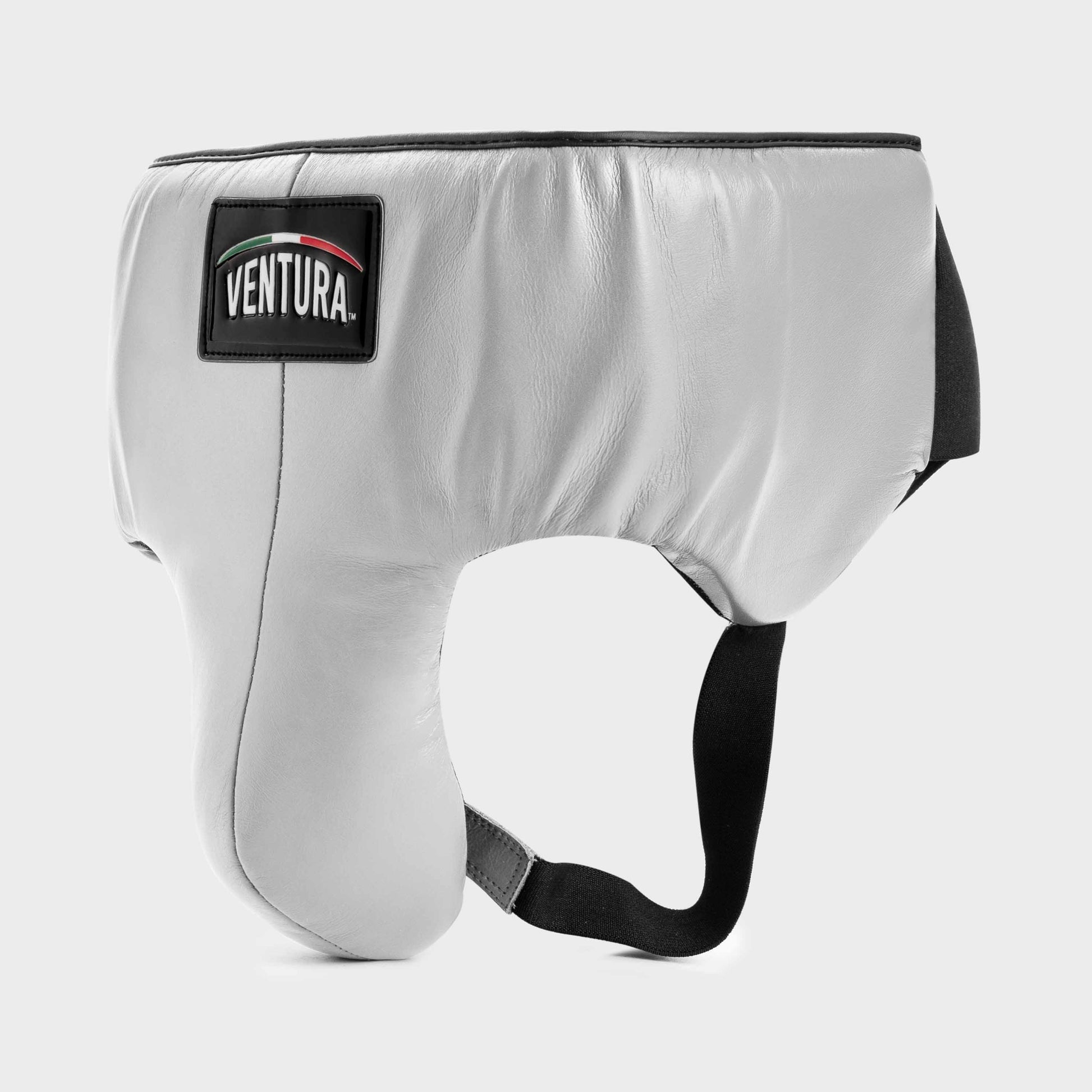
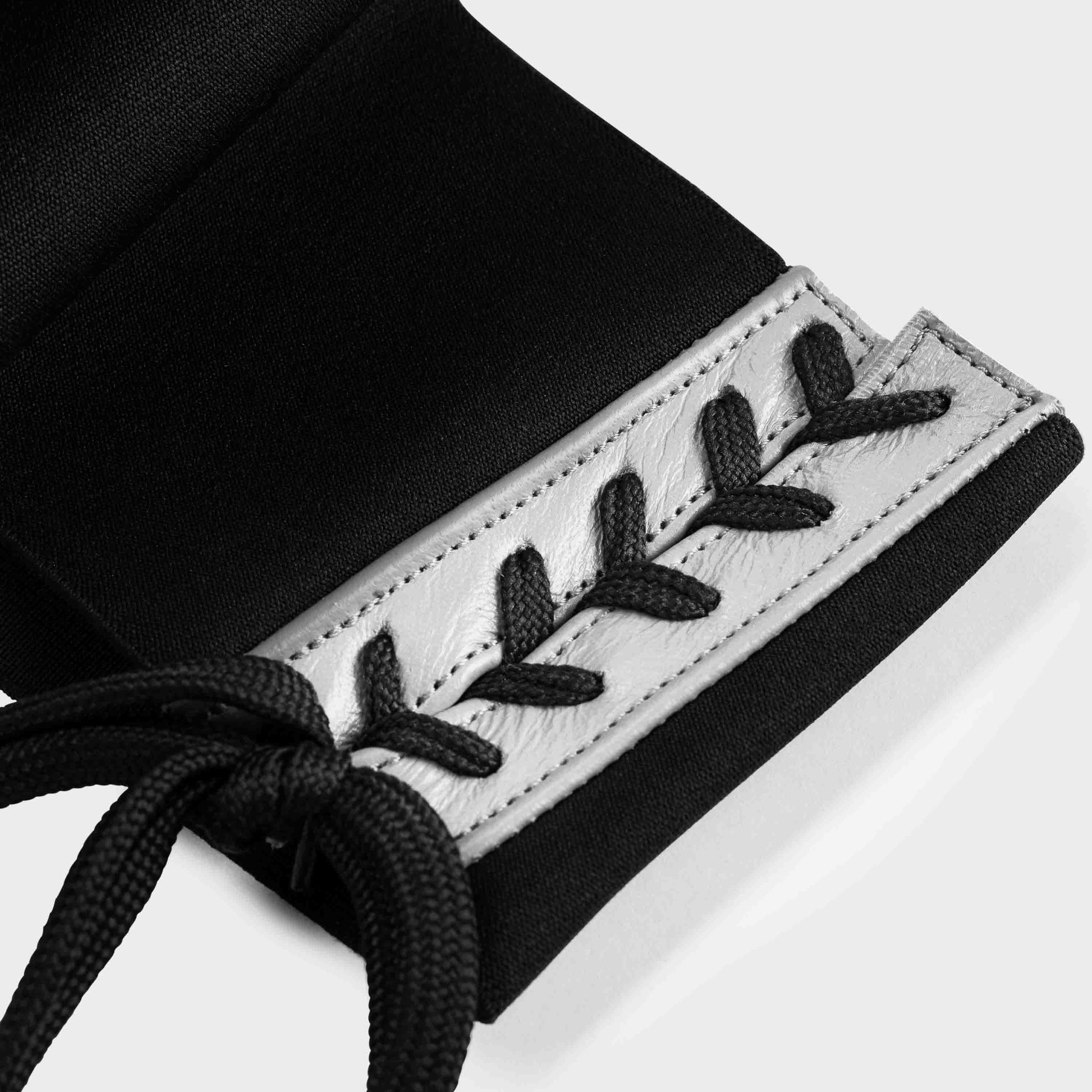
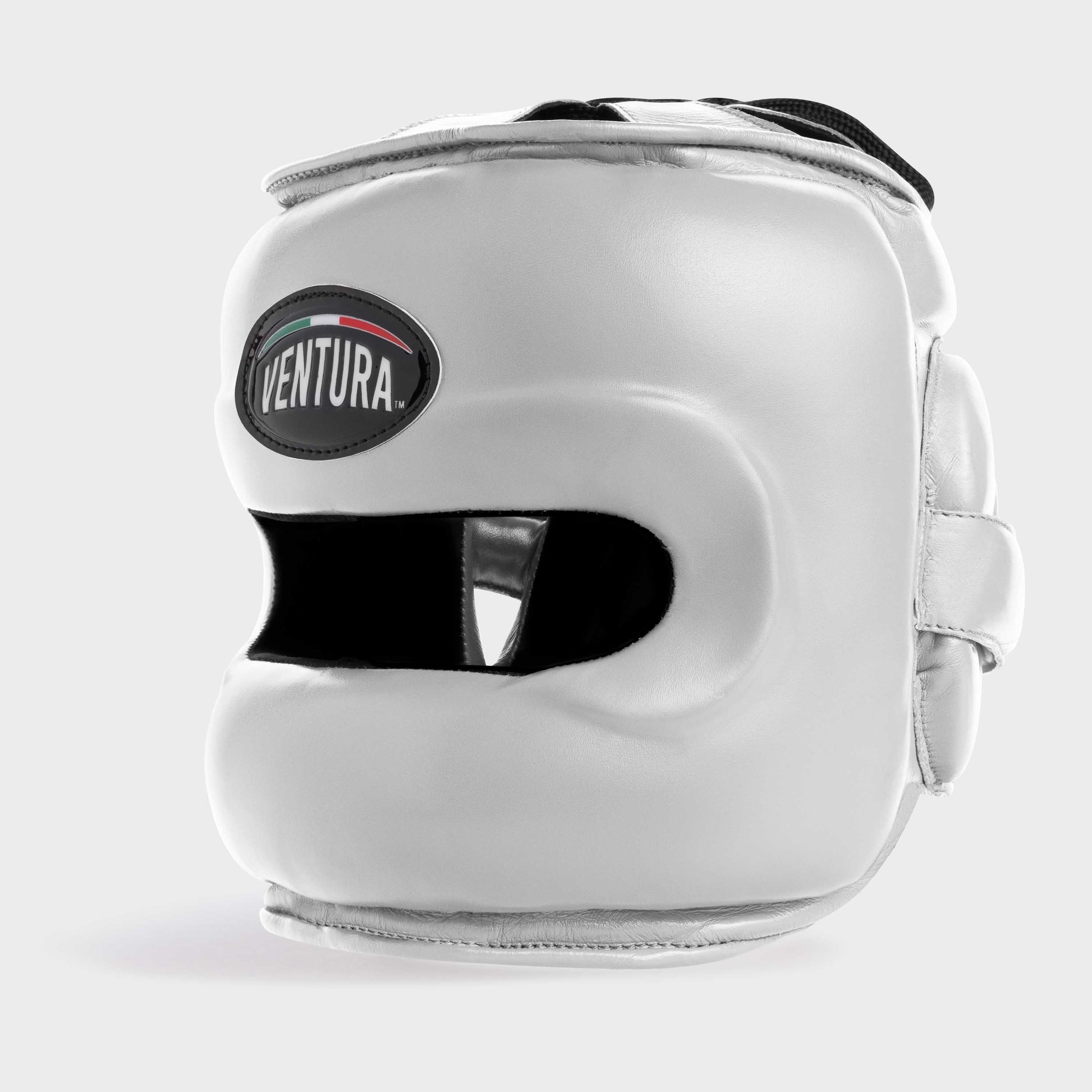


Adding the right protection to your routine means being able to increase volume and intensity while reducing interruptions caused by avoidable discomfort. Headgear, shin guards, groin guards, mouthguards and other supports must stay in place while the body moves. When every piece of protection is suited to its use, you can focus on timing, posture and breathing instead of constantly adjusting closures and fittings.
When to replace worn protection
To make protective gear last longer, it is best to dry each piece separately, clean the inner parts and replace it when elasticity or padding starts to give way. Do not wait until protection becomes uncomfortable or unstable: in combat sports, wear often comes from sweat, friction and compression inside the bag. Regular care keeps hygiene, comfort and reliability consistent throughout the sports season.
When you arrive at the gym, every element should have a clear purpose within your combat protection setup. The most logical pairing is with kits dedicated to boxing, Muay Thai or MMA when you want to simplify combinations, focusing on what really helps during the intense part of the session. Before you start, check for proportionate coverage, freedom of movement and compatibility between every element: the set must support systems that include the head, hands, shins, teeth and groin area according to the discipline, without drawing attention away from the coach’s instructions. This organization dedicated to combat protection brings order to the routine and leaves space for real technical corrections.
- check proportionate coverage, freedom of movement and compatibility between every element before heavy repetitions
- test the product in systems that include the head, hands, shins, teeth and groin area according to the discipline before trusting appearance alone
- the simplest maintenance is this: air pieces separately, clean contact surfaces and replace worn parts
- avoid letting haste push you into buying an isolated accessory without knowing which body area remains exposed
Building a sensible protection system
The decisive question is not which model looks best in photos, but which one keeps pace with a system that includes the head, hands, shins, teeth and groin area according to the discipline. In use, you should feel proportionate coverage, freedom of movement and perceived safety without unnecessary bulk. For this reason, put contact, frequency and technical level in order, then match every piece of protection to the real risk: it is a simple test, but it immediately shows whether the product supports movement or demands constant corrections.
Avoid buying one isolated accessory while forgetting which parts are exposed in your session. A smarter choice looks from the basic starting setup to a more complete kit when sparring becomes regular, and to the equipment that already accompanies the session, such as gloves, headgear, shin guards, groin guards, mouthguards and wraps chosen with the same criteria. When you finish training, air, clean and rotate the elements because sweat affects different materials in different ways; durability also comes from these small, less visible habits.
From technical movement to maintenance
The product should be imagined while it absorbs mistakes, corrections and changes of rhythm: for combat protection, the most concrete reference remains systems that include the head, hands, shins, teeth and groin area according to the discipline. Focus on proportionate coverage, freedom of movement and compatibility between every element, and simulate the phase of the session where you usually get most tired. If you notice the risk of buying an isolated accessory without knowing which body area remains exposed, the choice should be corrected calmly, not during the session. The feeling to look for with combat protection is concrete safety without unnecessary bulk, staying understandable even when technique is under pressure.
The right feeling is the one that remains stable even under fatigue with combat protection. It means gaining concrete safety without unnecessary bulk while working on systems that include the head, hands, shins, teeth and groin area according to the discipline. The benefit disappears if you start buying an isolated accessory without knowing which body area remains exposed, which is why the test must include rhythm, a short pause and a restart. When the behavior of combat protection stays clean and controlled, attention returns to technical progression.
The way you organize accessories changes the flow of training with combat protection. First prepare what is needed for systems that include the head, hands, shins, teeth and groin area according to the discipline, and bring only what has a precise function in your program. Pairing with kits dedicated to boxing, Muay Thai or MMA is useful if it helps you maintain rhythm and attention. Check proportionate coverage, freedom of movement and compatibility between every element before warming up: when combat protection is already ready, technical instructions become easier to apply.
Durability also depends on what happens afterward. At the end of the session, the product has absorbed sweat, friction and tension: air, clean and rotate the elements because sweat affects different materials in different ways. This is not only useful for keeping it cleaner; it also helps preserve stitching, padding, elasticity and support points, the parts that determine quality in the following months, while keeping the focus on movements, frequency and intensity for boxing, Muay Thai, kickboxing and MMA protection.
An effective setup is not born from accumulation, but from coherent combinations for combat protection. For combat protection, the material integrates better with a real progression: establish a clean base before increasing the number of pieces. Kits dedicated to boxing, Muay Thai or MMA are justified when they simplify systems that include the head, hands, shins, teeth and groin area according to the discipline. Checking proportionate coverage, freedom of movement and compatibility between every element prevents the mistake of buying an isolated accessory without knowing which body area remains exposed and makes combat protection more focused on the goal and less tied to impulse buying.
Putting the right pieces together helps you avoid continuous adjustments during class with combat protection. If the equipment is used several days in a row, organize kits dedicated to boxing, Muay Thai or MMA first when you want to simplify combinations. During systems that include the head, hands, shins, teeth and groin area according to the discipline, correct preparation prevents corrections while you work with your partner. That is why proportionate coverage, freedom of movement and compatibility between every element must be checked in advance. This check anticipates problems that would otherwise appear under fatigue, so combat protection does not add confusion to the central part of the work.
Before warming up, it is worth checking what can slow you down with combat protection. When combat protection becomes part of a frequent routine, it is useful to organize the bag according to the real phases of the class. First you prepare what is needed for systems that include the head, hands, shins, teeth and groin area according to the discipline, then you add kits dedicated to boxing, Muay Thai or MMA only if intensity requires it. This final check on proportionate coverage, freedom of movement and compatibility between every element reduces the risk of buying an isolated accessory without knowing which body area remains exposed and makes it easier to maintain concrete safety without unnecessary bulk.
Useful questions before buying
Which protection should you start with?
It depends on the discipline: gloves and shin guards for striking, headgear for sparring, groin guard when contact may involve the groin area.
How do materials change from one protection to another?
Gloves, headgear and shin guards prioritize resistant coverings and natural leather in impact zones. Groin guards and protective accessories instead focus on cups, elastics, technical edges and stability.
How can you tell if protection limits the technical movement?
Test it in real movements: kicks, guard, clinch or footwork. If it moves or blocks you, it is not suitable for that work.
How do you avoid odors when using multiple protective pieces?
Do not pile them up wet. Open the straps, clean the inner parts and let each piece dry separately.