
Focus mitts, paos, pads and shields
-
Genuine leather focus mitts -
Genuine leather pao punch and kick mitts for Muay Thai kick, boxing and MMA -
Genuine leather pao punch and kick mitts for Muay Thai kick, boxing and MMA -
Genuine leather punch shield -
Genuine leather kick shield -
Genuine leather belly protector -
Genuine leather body protector -
Genuine leather thigh pads in real leather for Muay Thai kick, boxing and MMA -
Genuine leather boxing target paddles -
Calf kick protector in genuine leather for Muay Thai, kickboxing and MMA

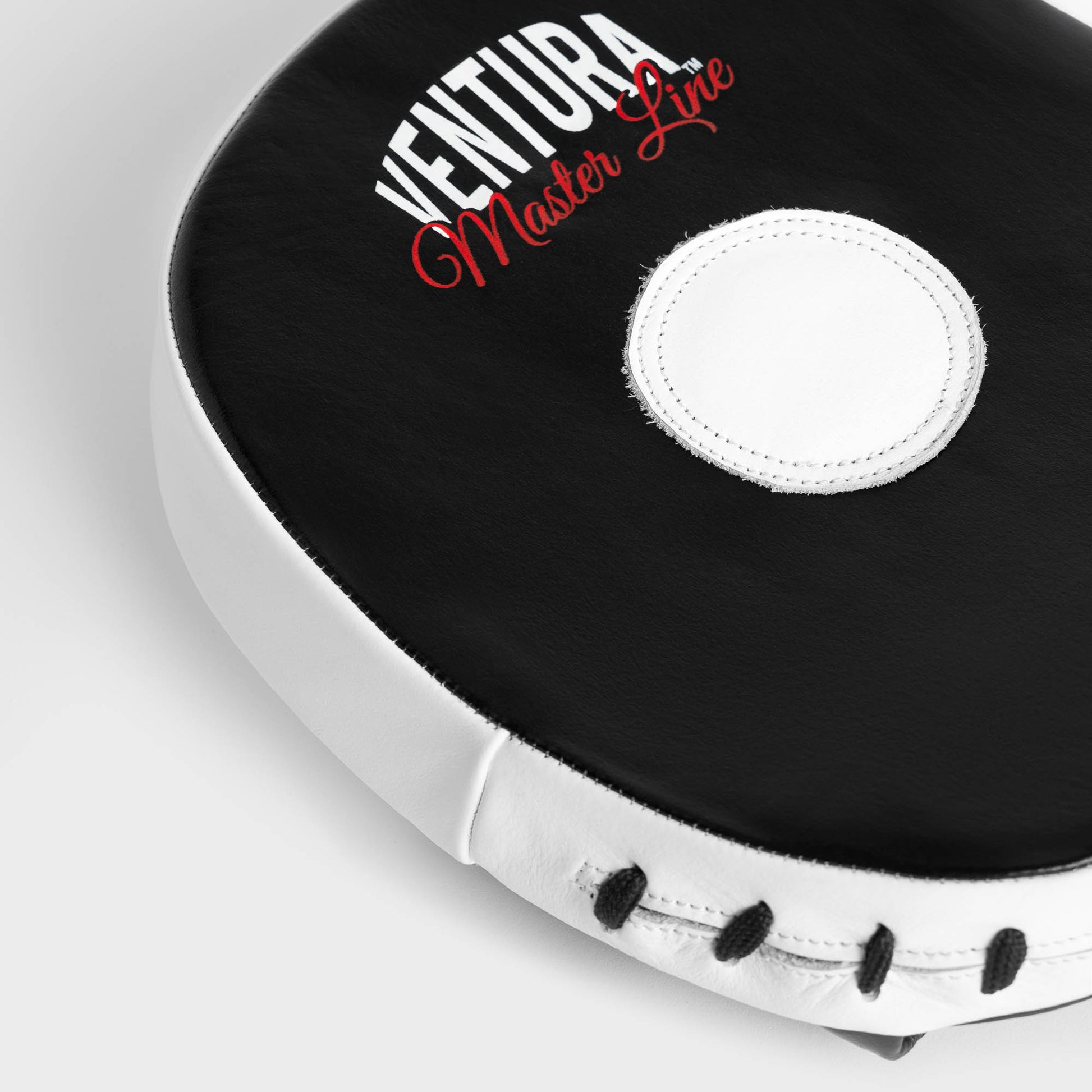
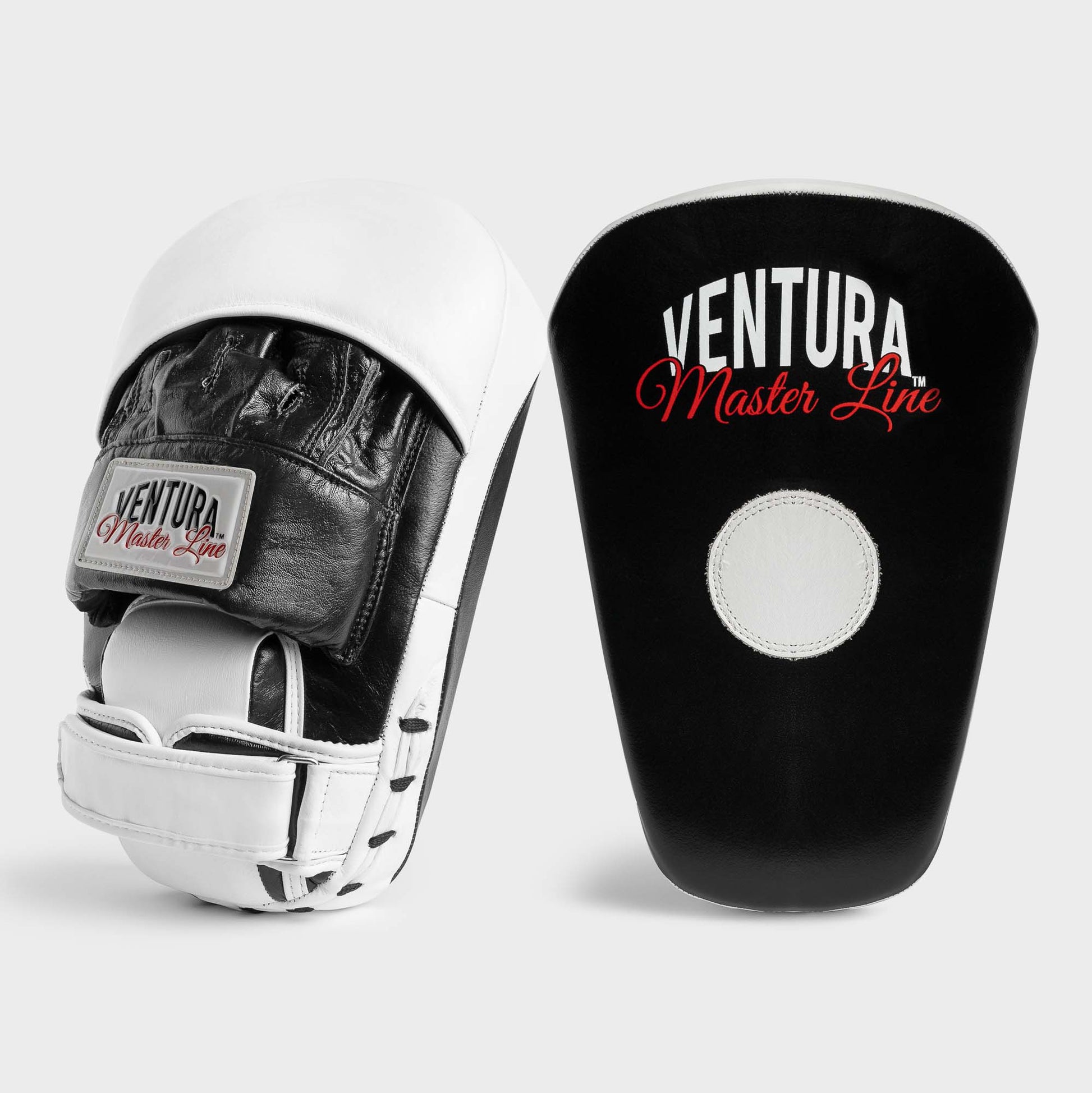
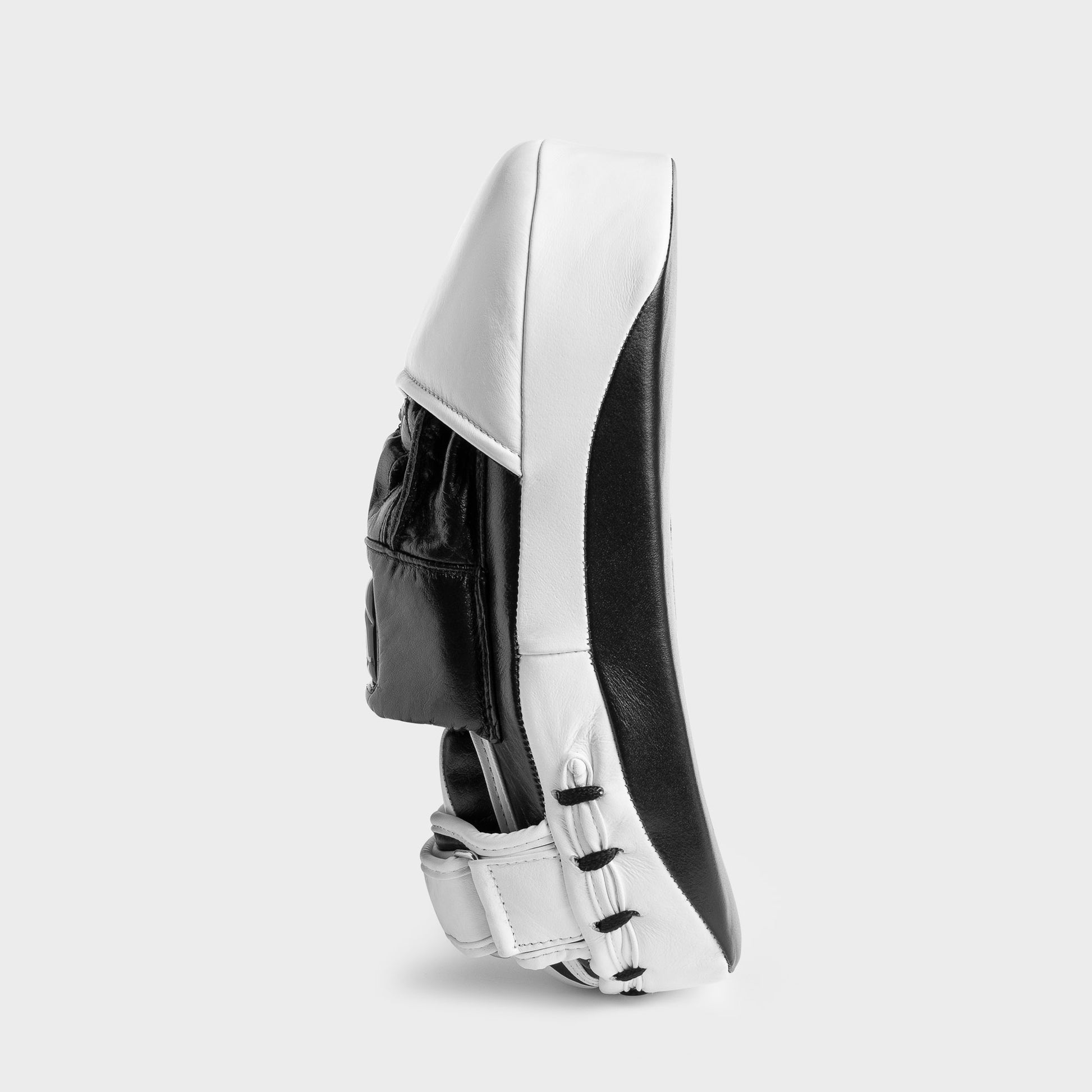
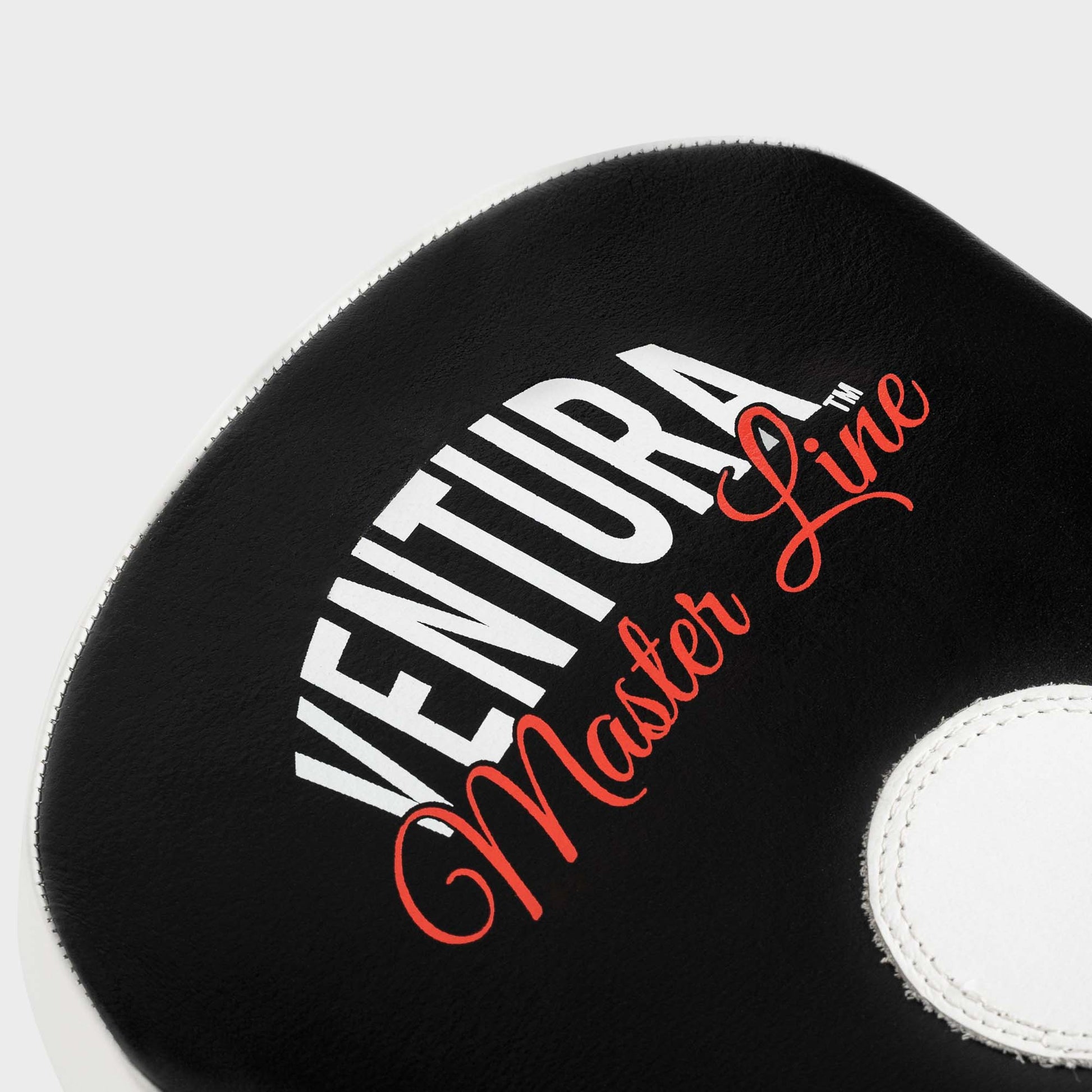
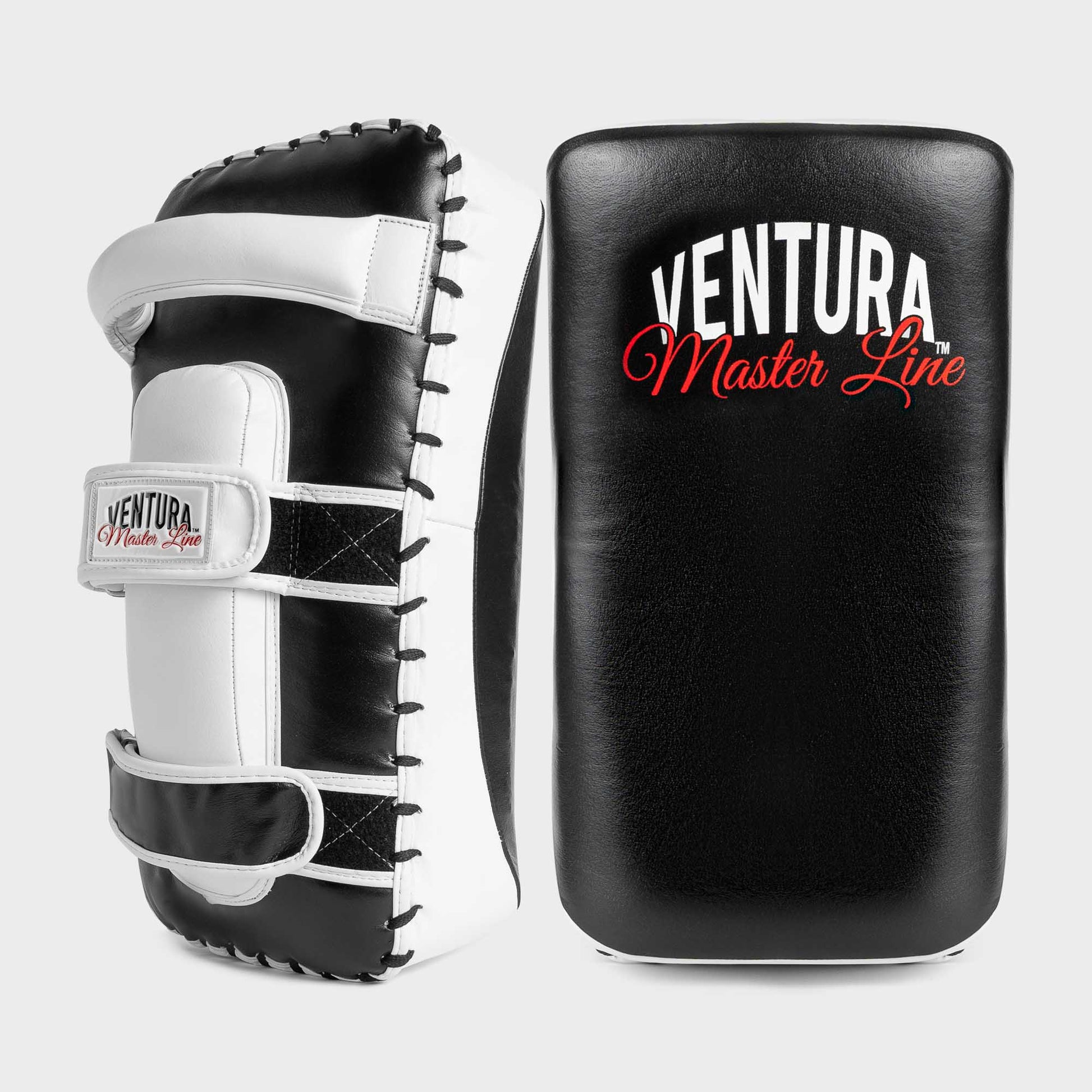
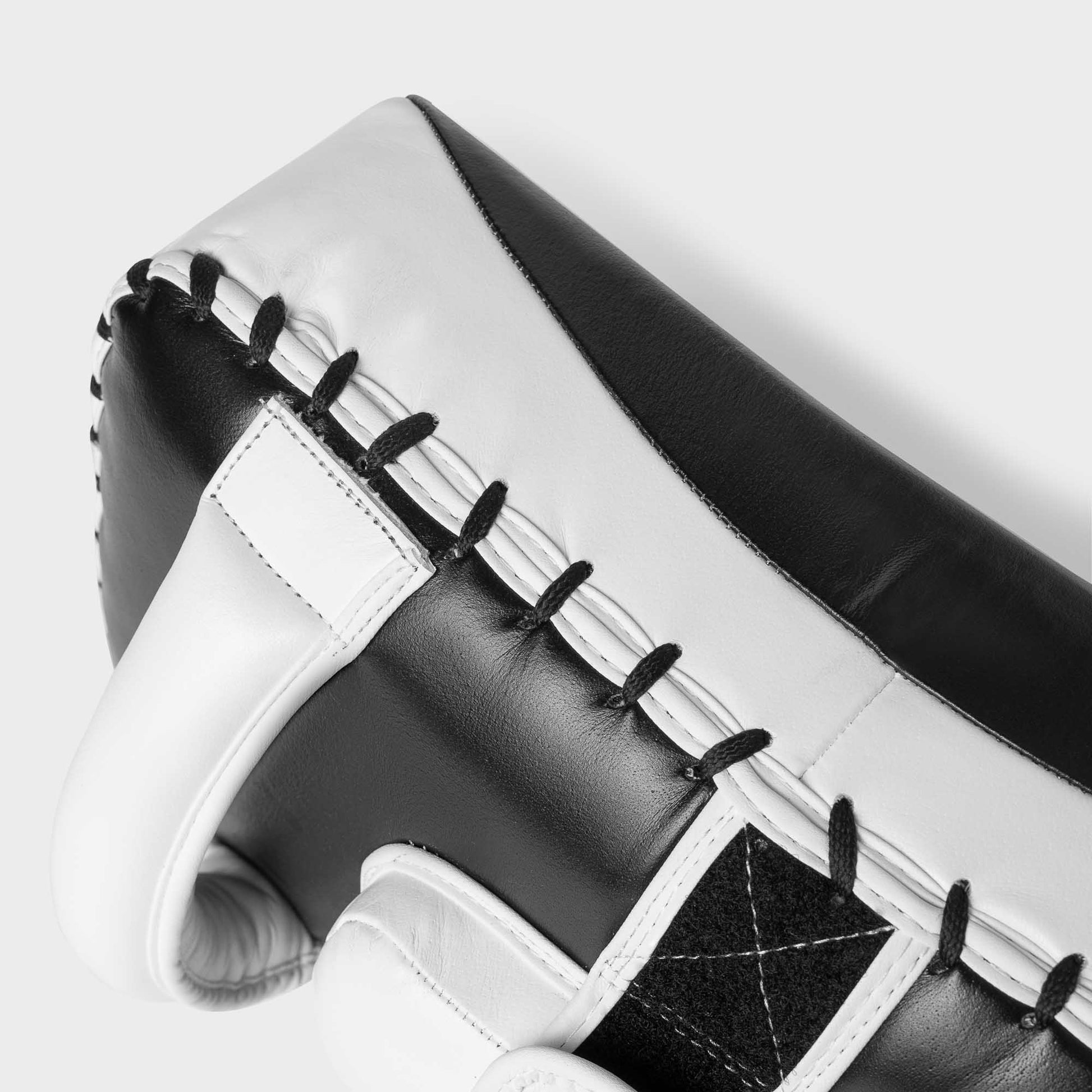
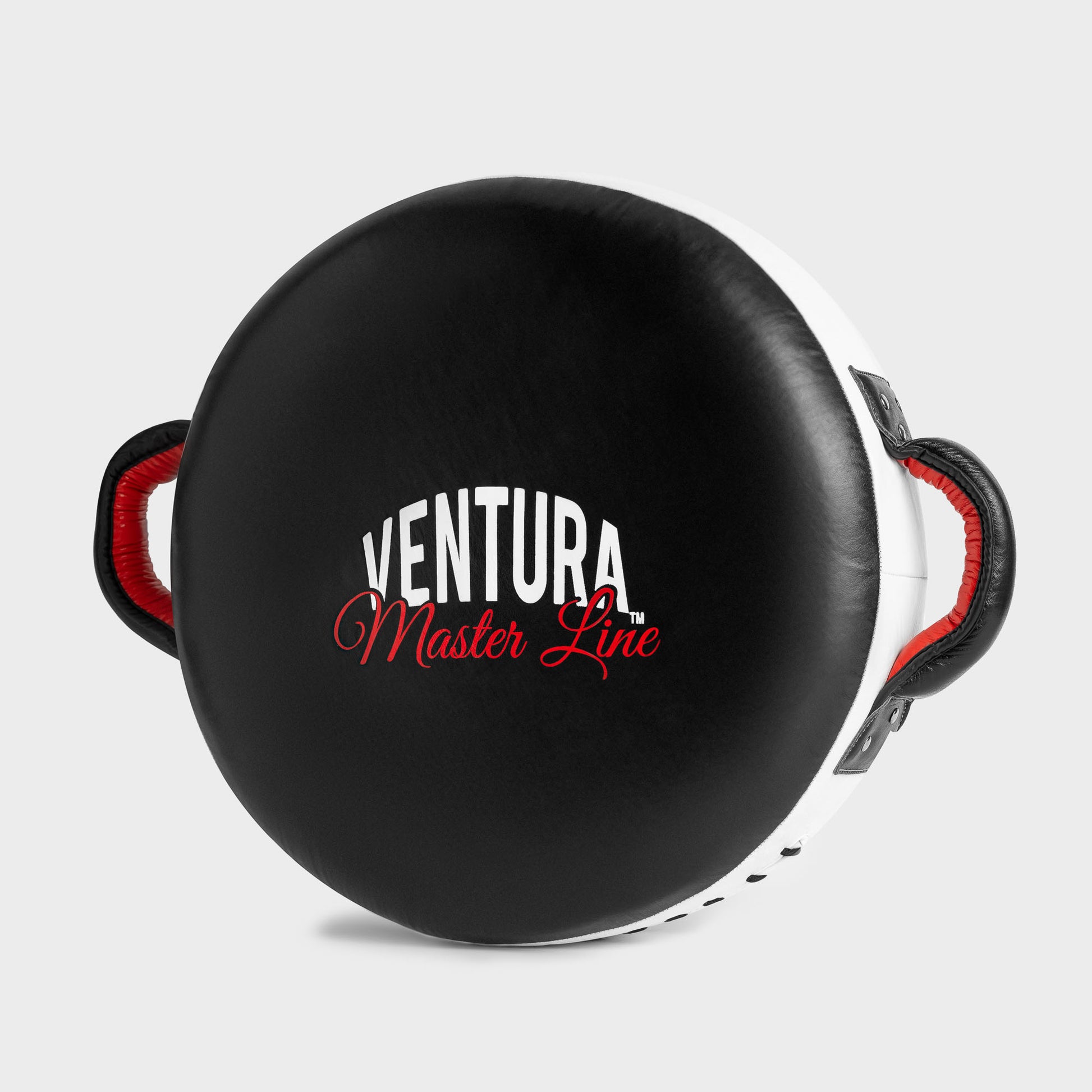
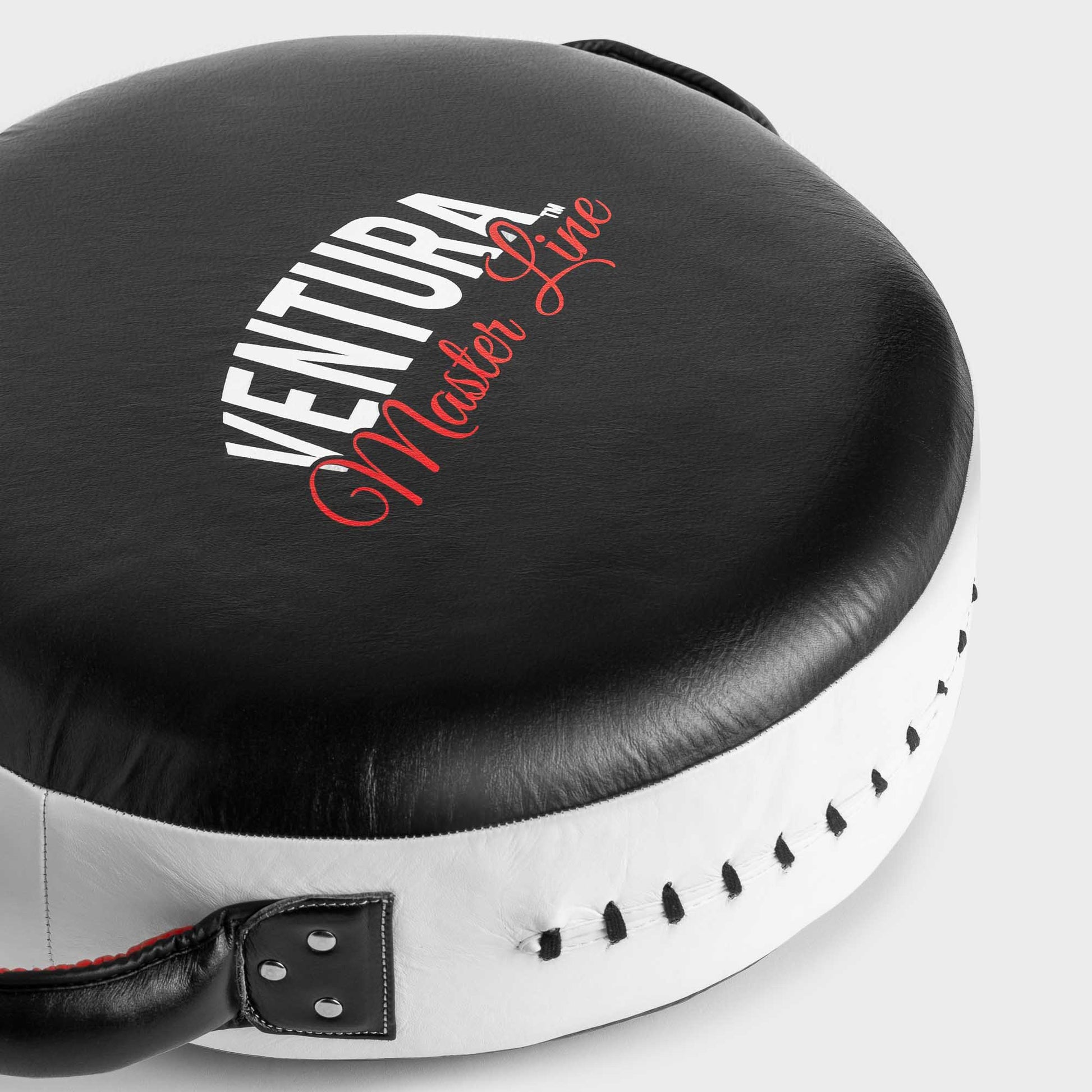
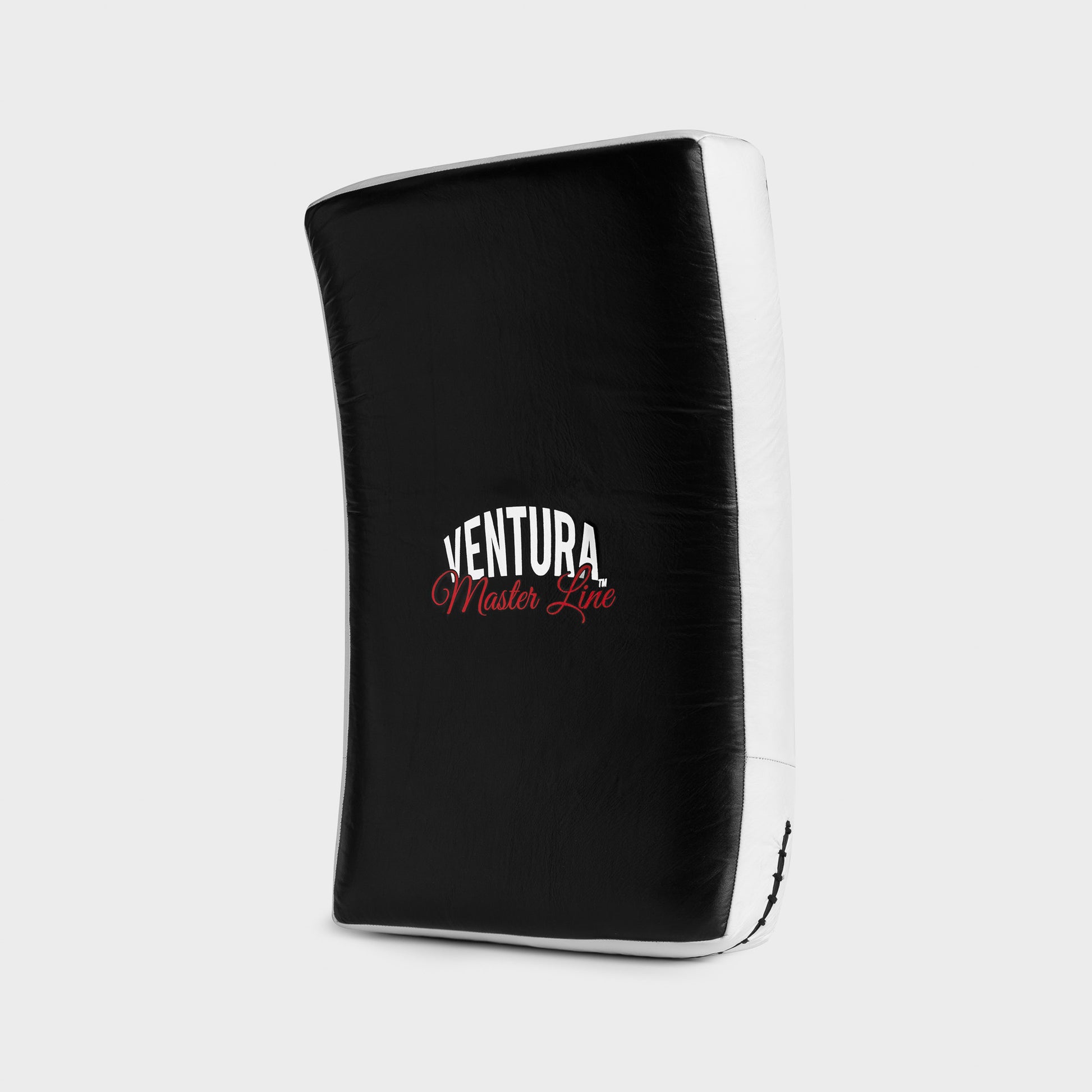
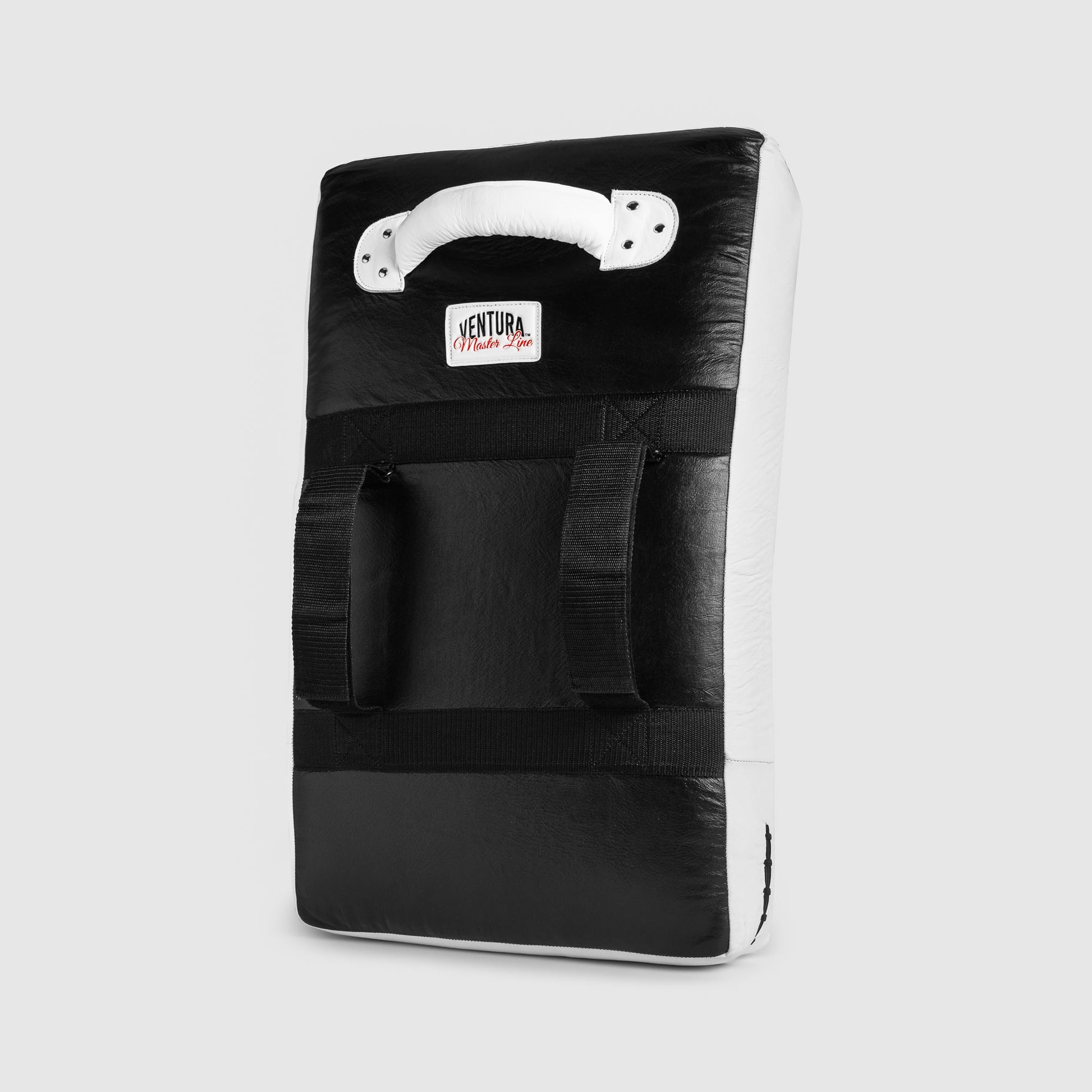
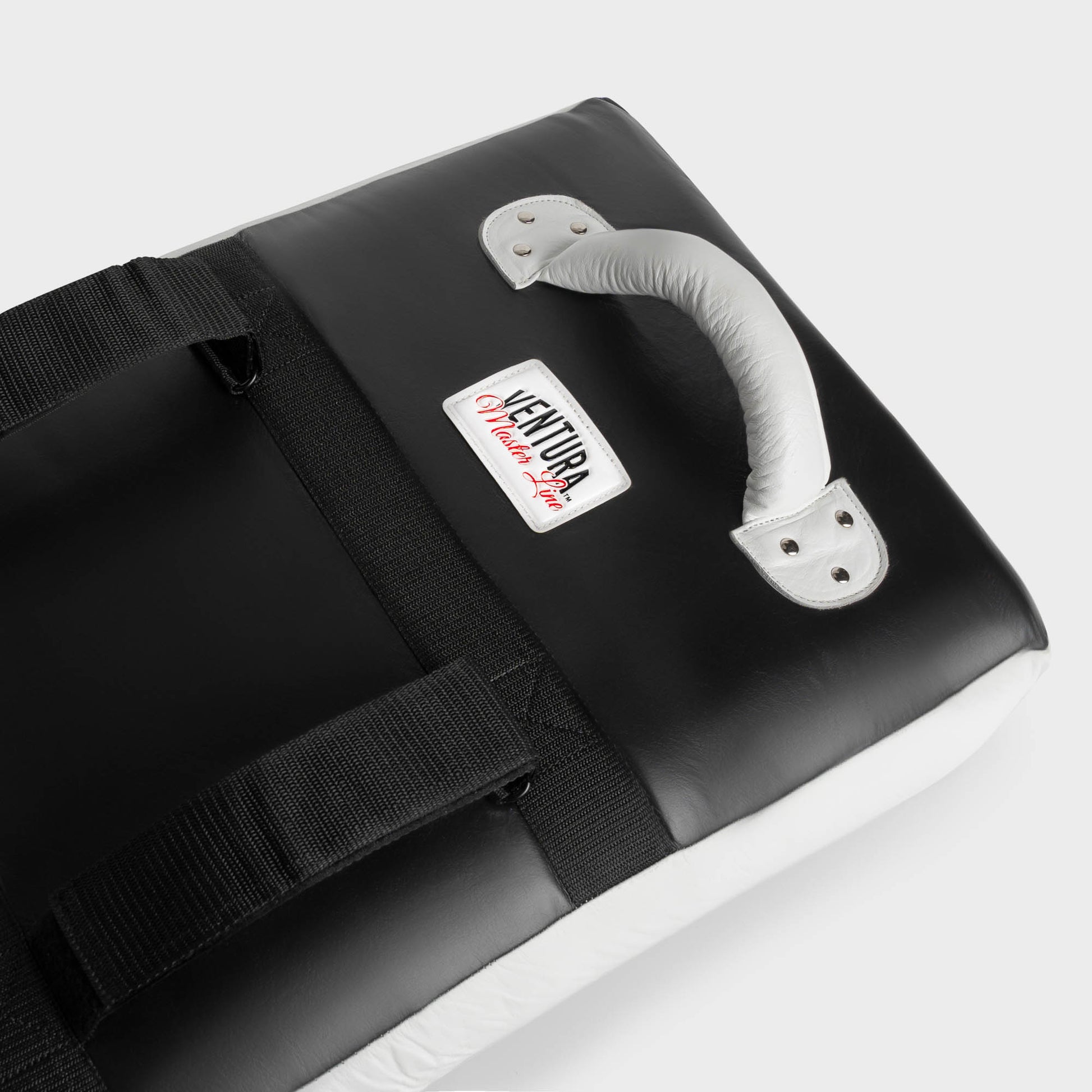
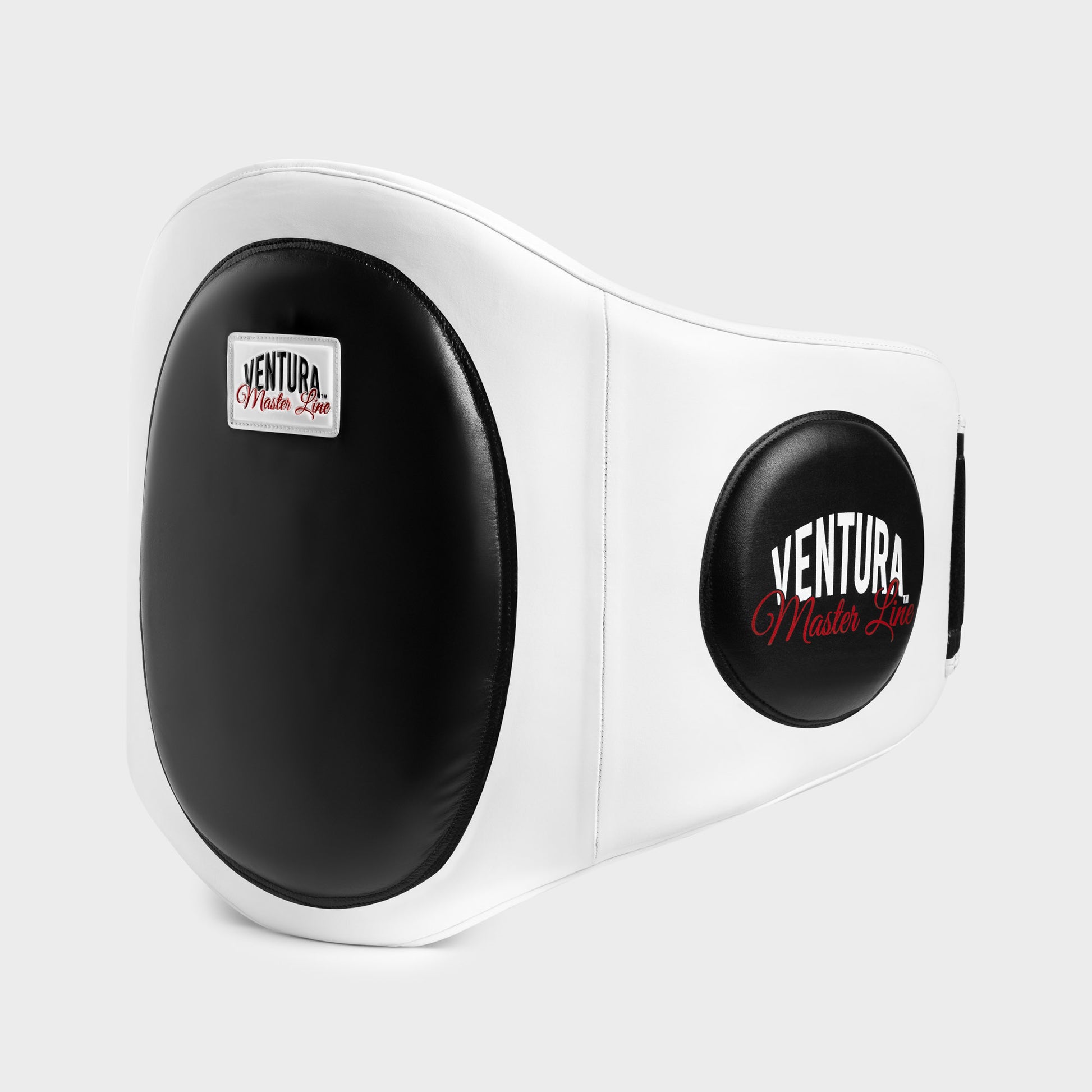
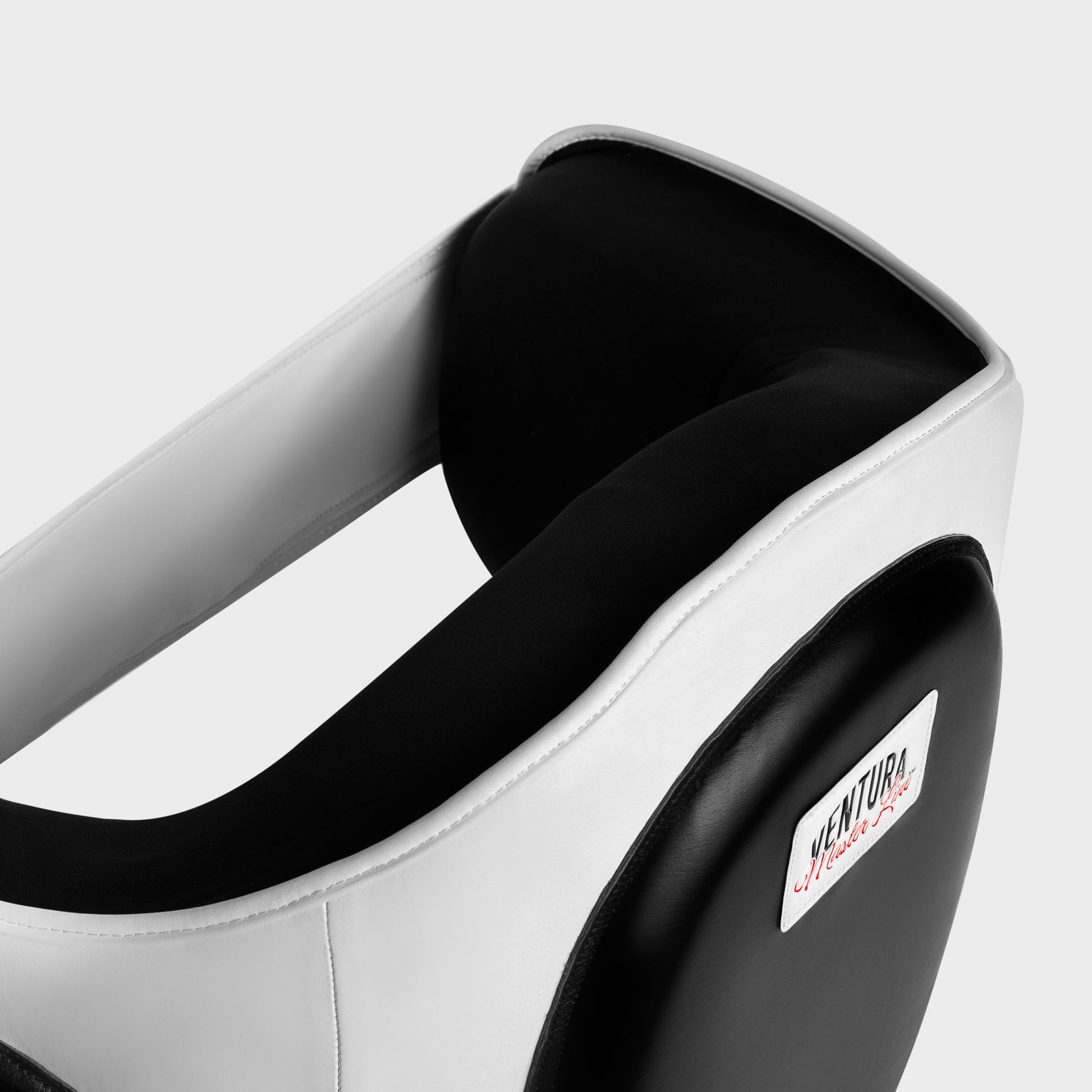
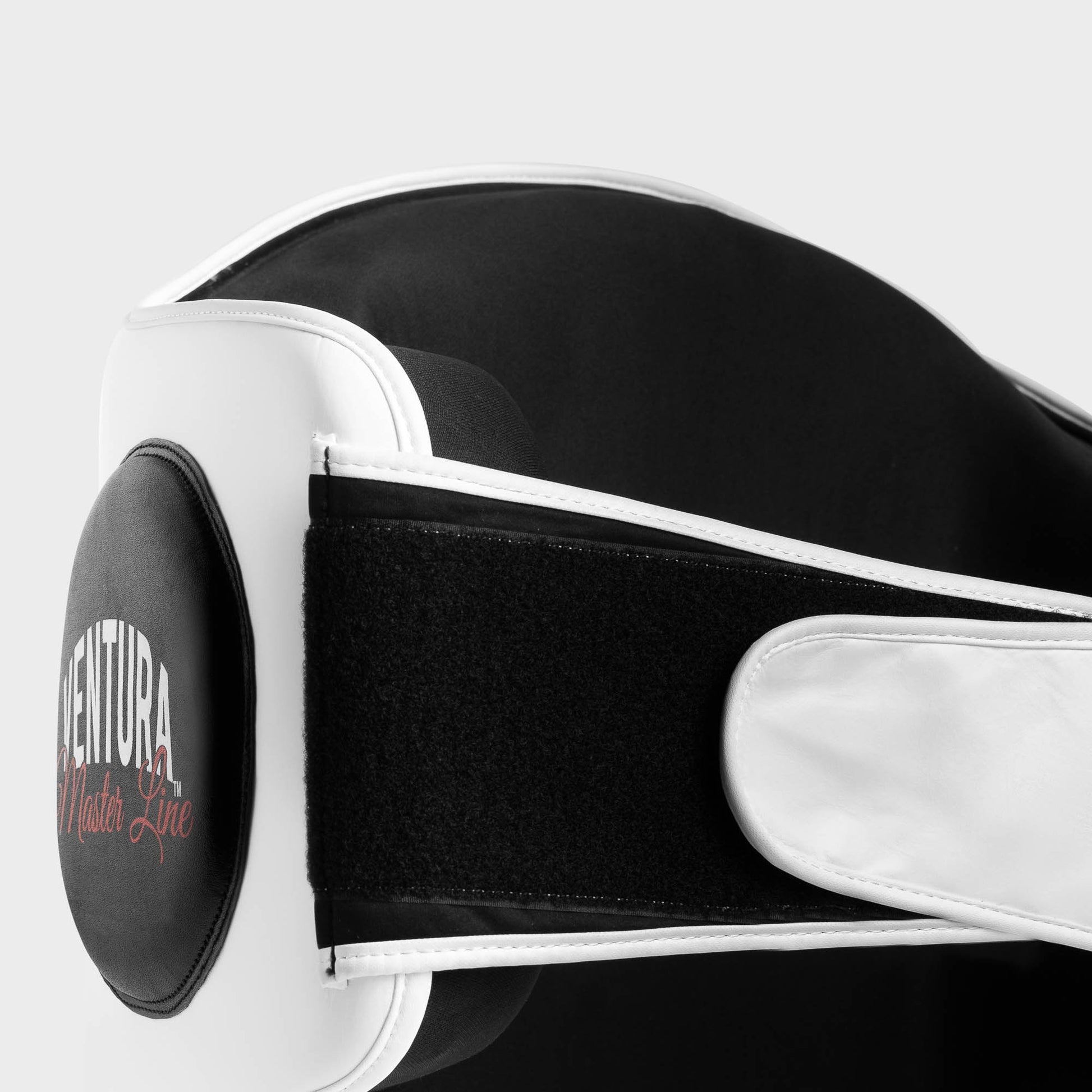
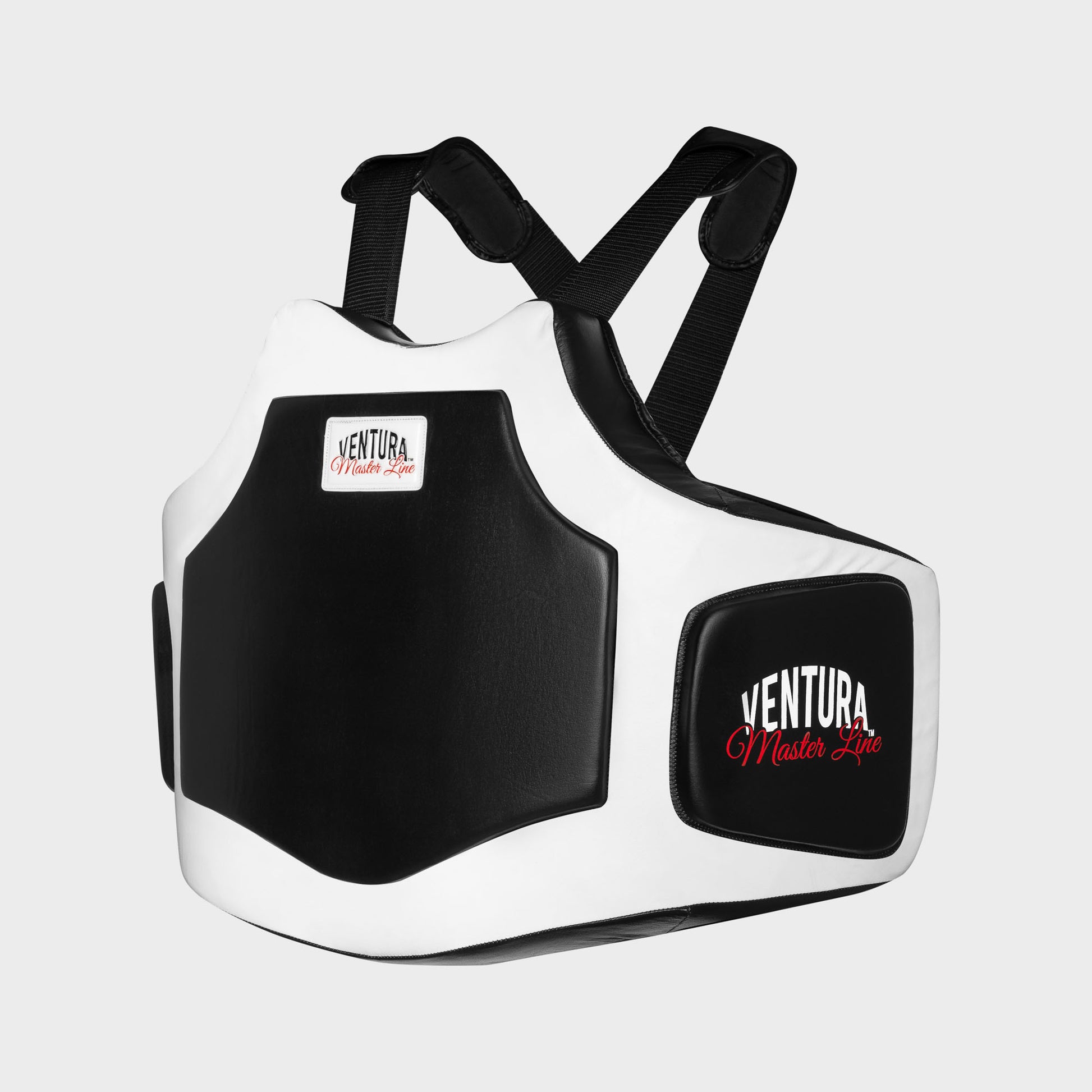
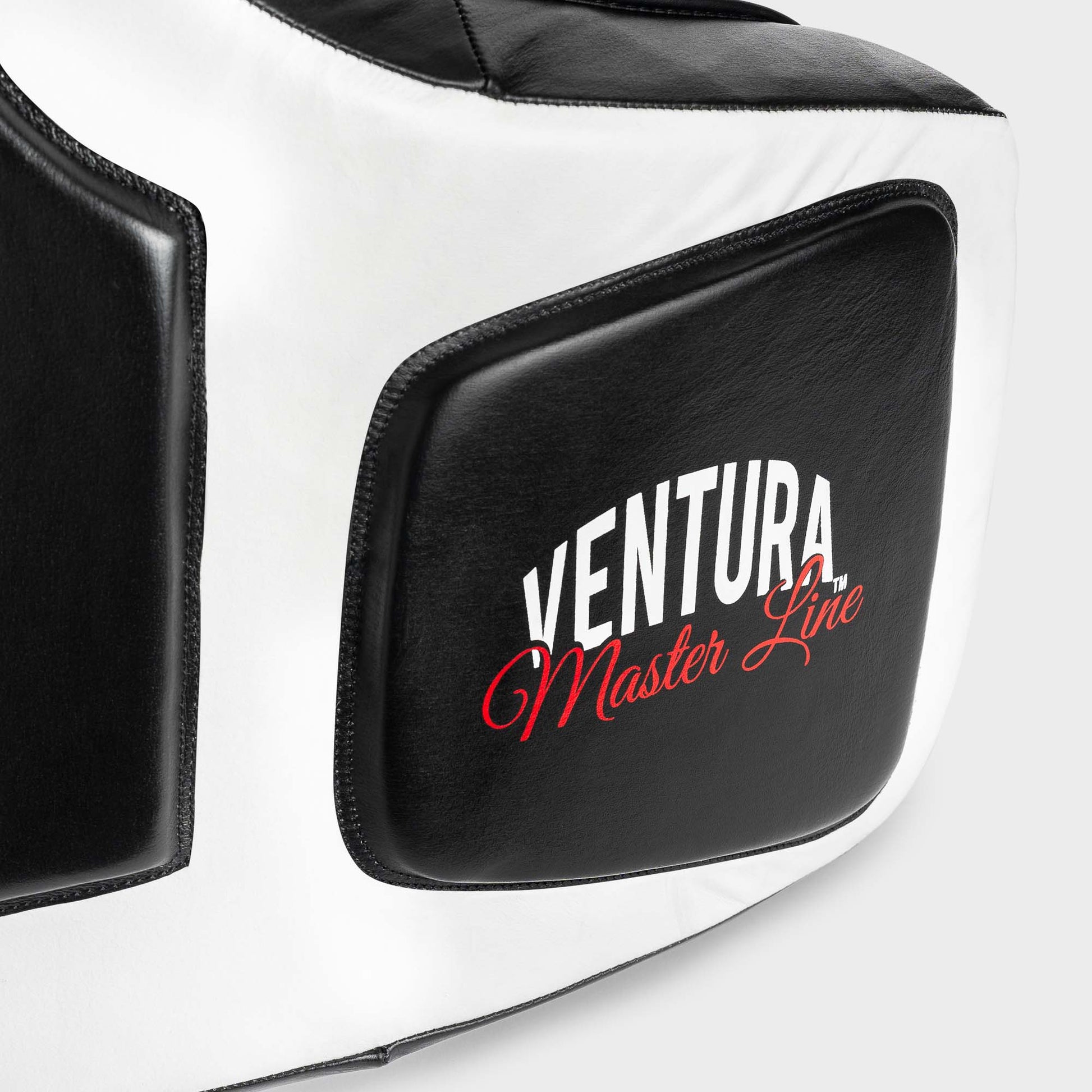
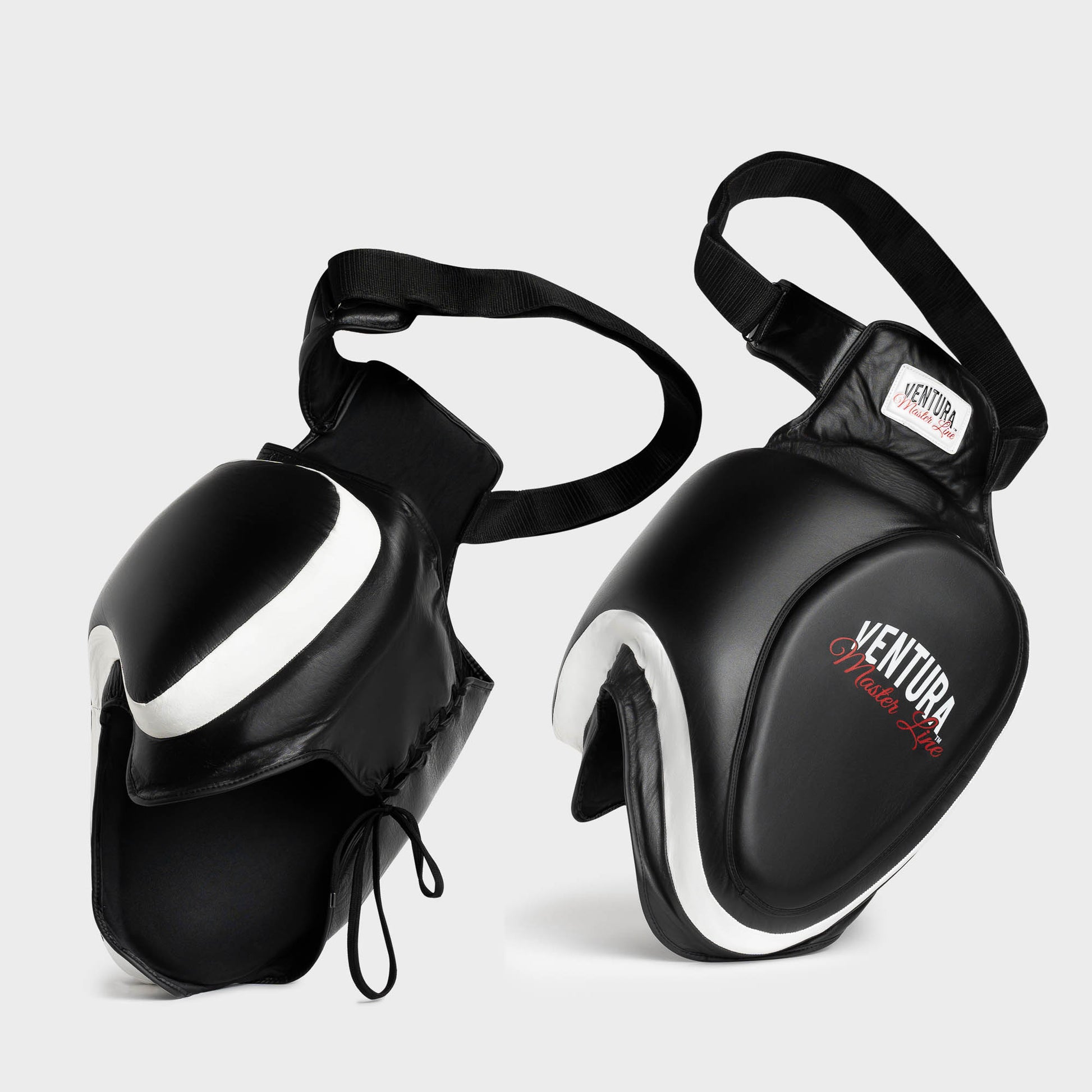
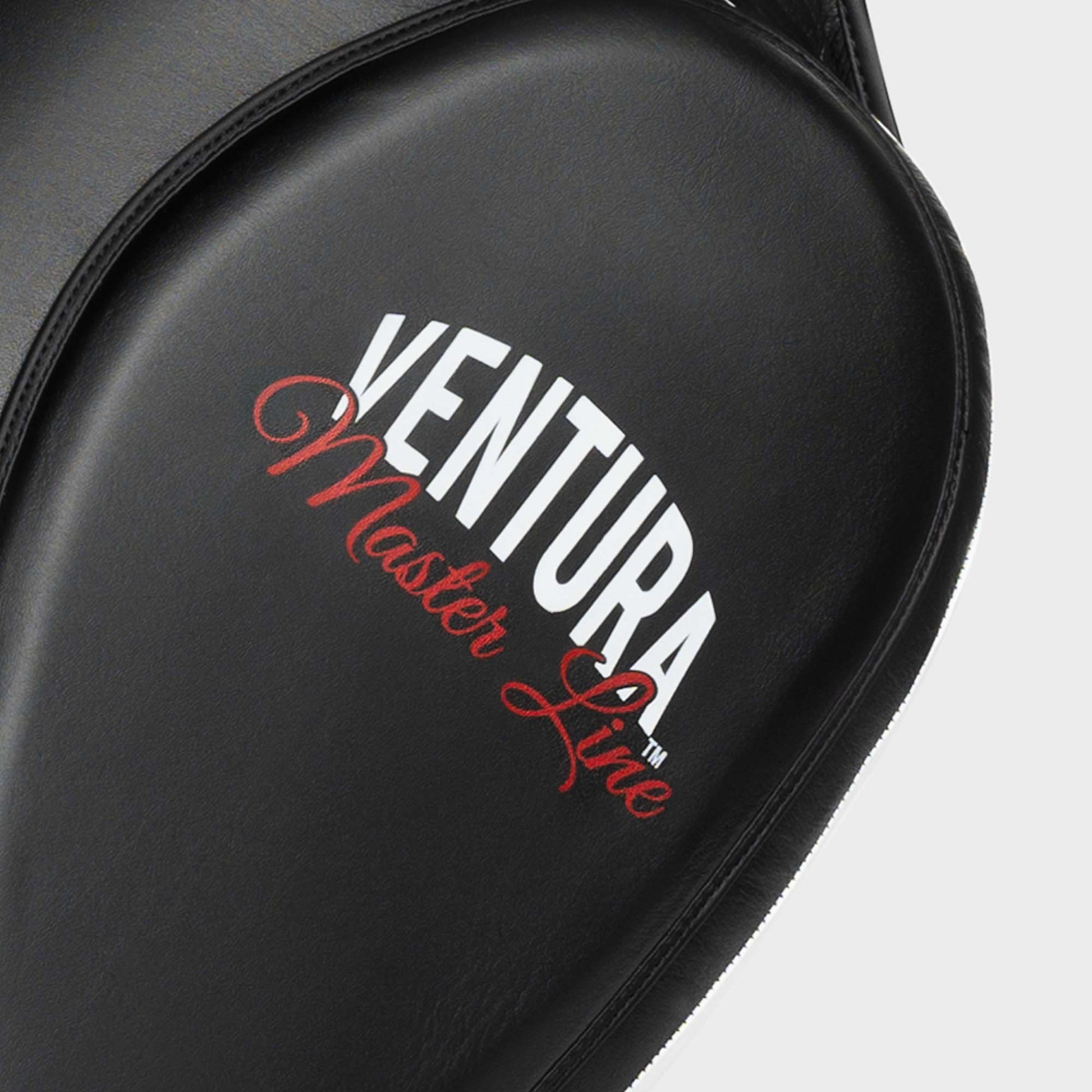
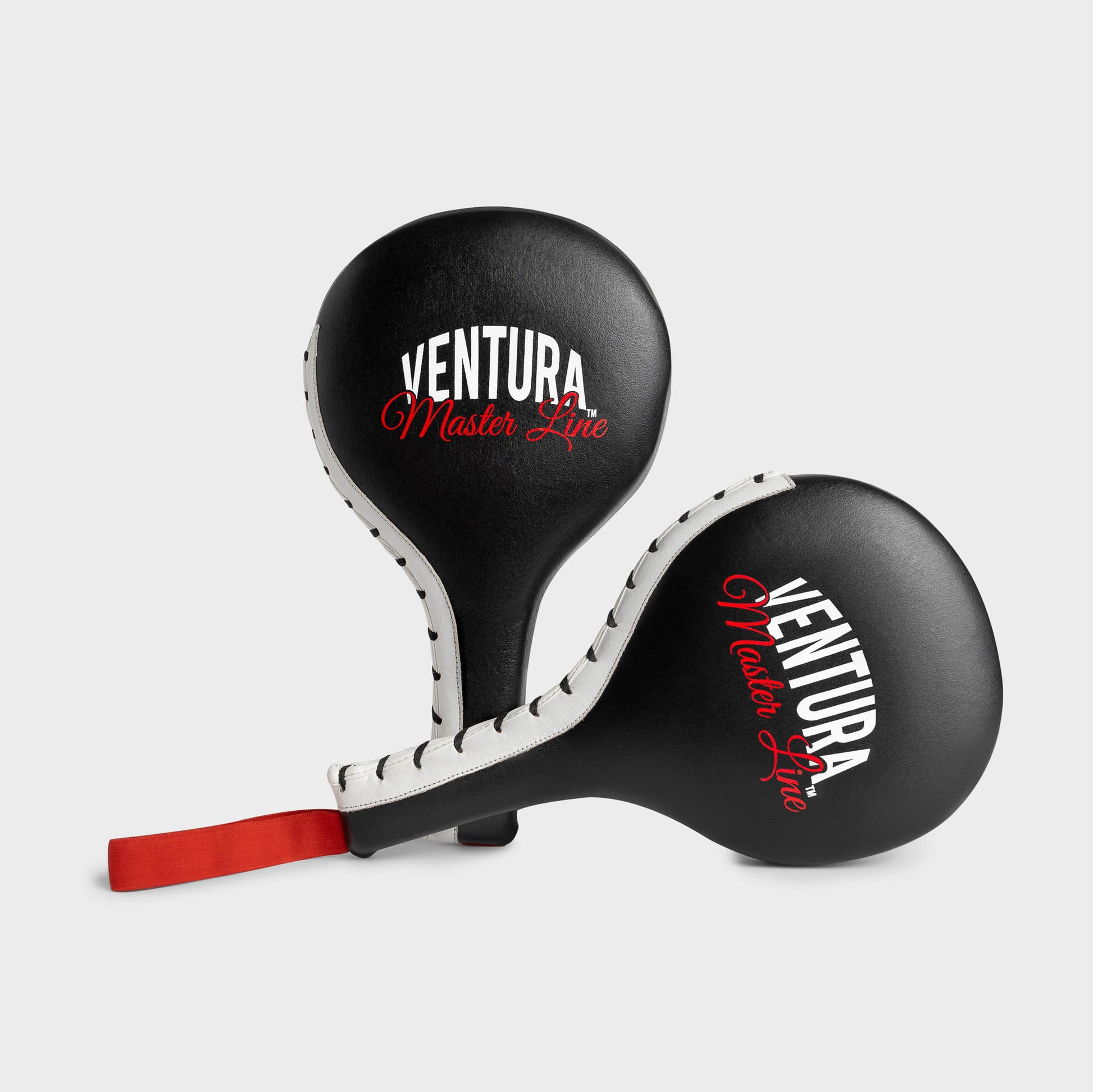
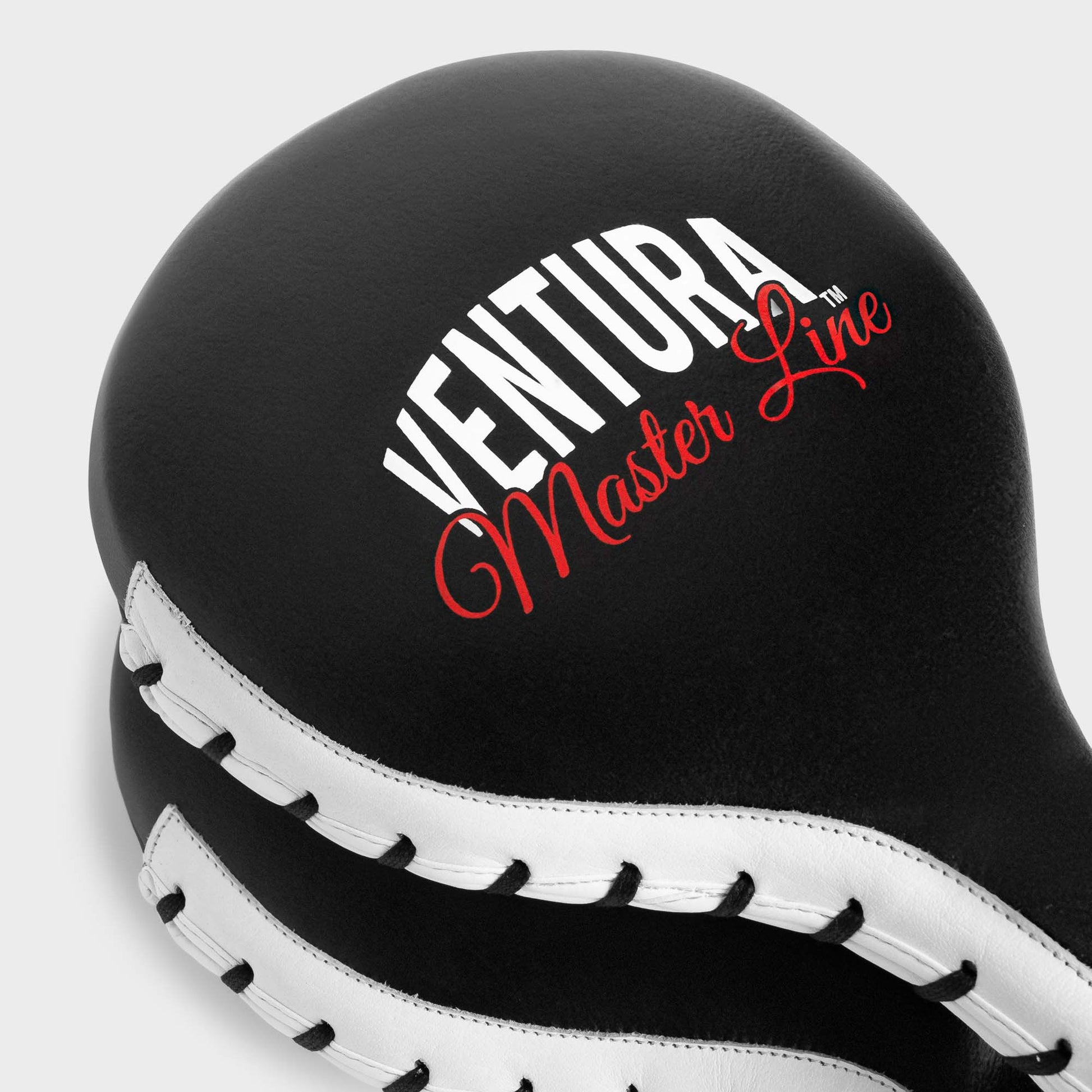


Work with striking pads, paos and shields should be read from the perspective of the person holding the target and the person striking. Light focus pads serve precision and rhythm, paos absorb kicks and knees, and shields help power and conditioning. If the target is uncomfortable or unstable, technical correction loses quality and the fatigue of the person guiding the session increases.
Before buying, define whether you need to work on fast combinations, powerful kicks, knees, beginner work or group sessions. Observe handles, padding density, impact surface and the possibility of orienting the target without stressing wrists and shoulders. A pao that is too stiff or a focus pad that is too soft changes the response of the strike and makes the trainer’s reading less precise.
In the gym path, a good target allows you to raise volume and intensity without sacrificing teaching safety. The value is not only in the first session: it emerges when more athletes strike, sweat increases and the equipment must absorb repeated impacts. A solid choice makes it easier to organize technique, conditioning and specific work without constantly changing tools.
Organizing a gym with tools that last
Cleaning and ventilation keep the usage feeling more stable for striking pads, paos and shields. The practical rule is to clean sweat, dry handles and rotate tools so the same point is not always stressed. This protects shape, hygiene and comfort when returning to classes, partner work and stations where the holder absorbs volume of strikes, and makes it easier to recognize when a part must be cleaned or replaced. A quick check after using striking pads, paos and shields helps avoid the habit of evaluating only the striker and not the person who has to hold the tool before the next session.
Putting together the right pieces avoids constant adjustments during the lesson with striking pads, paos and shields. The most logical pairing is with gloves, shin guards, bags and timer to organize complete sessions, selecting only what can be adjusted quickly when needed. Before starting, check solid handles, uniform surface and sustainable weight for the person guiding the session: the set must support classes, partner work and stations where the holder absorbs volume of strikes without making preparation cumbersome when it should be simple. This organization dedicated to striking pads, paos and shields gives continuity to the session because it reduces doubts, pauses and late checks.
- check solid handles, uniform surface and sustainable weight for the person guiding the session before reaching fatigue
- test the product in classes, partner work and stations where the holder absorbs volume of strikes, moving beyond superficial evaluation
- as soon as the work ends, think of this: clean sweat, dry handles and rotate tools so the same point is not always stressed
- do not choose with the habit of evaluating only the striker and not the person who has to hold the tool
Striking pads and paos viewed from the coach’s point of view
The decisive question is not which model looks better in a photo, but which one keeps up with sessions where the person holding the tool guides the rhythm, precision and safety of the striker. In use, you should feel a stable grip, reactive surface and absorption that does not unload everything onto wrists and shoulders. For this reason, evaluate grip angles, impact feedback and ease of movement during long combinations: it is a simple test, but it immediately reveals whether the product follows the movement or requires constant corrections.
Avoid choosing only based on thickness while forgetting weight, grip and the type of strikes to train. A smarter choice looks from individual technical work to classes where many pairs rotate, and at the material that already accompanies the session, such as gloves, shin guards, bag and timer to build complete lessons. When you finish training, dry the handles, clean the surfaces and alternate the tools so the same point is not always worn; durability also comes from these less visible gestures.
How to avoid choices made too quickly
A good purchase starts from a concrete question: what happens when you face sessions in which the person holding the tool guides the rhythm, precision and safety of the striker? At that moment striking pads, paos, focus pads and shields must provide stable grip, reactive surface and absorption that does not unload everything onto wrists and shoulders, without turning into a constant thought. If the product disappears from attention while you work well, that is often the best sign, keeping in mind the concrete performance of striking pads, paos, focus pads and shields.
The test must be done with realistic movements: evaluate grip angles, impact feedback and ease of movement during long combinations. There is no need to seek a spectacular feeling; a consistent response is needed. Combat and grappling products must be reliable in repetition, because training is made of movements that return dozens of times.
Avoid the limit of choosing only based on thickness while forgetting weight, grip and the type of strikes to train. Such a choice can work in a single situation, but lose meaning as soon as intensity changes. If your path moves from individual technical work to classes where many pairs rotate, you need material able to accompany that transition. Gloves, shin guards, bag and timer for complete lessons should also be considered with the same attention.
Well-dried equipment reduces discomfort and keeps performance more consistent after using striking pads, paos and shields. Pay attention to the areas that have absorbed the most pressure during classes, partner work and stations where the holder absorbs volume of strikes. In practice, it is best to clean sweat, dry handles and rotate the tools so the same point is not always stressed, without closing everything in the bag when the material is still warm or damp. This better preserves readable strikes and control for the coach and keeps the usage feeling cleaner over time.
Before the warm-up, it is worth checking what can slow you down with striking pads, paos and shields. Prepare first what is needed for classes, partner work and stations where the holder absorbs volume of strikes, and make sure every piece is ready at the right moment. The pairing with gloves, shin guards, bags and timer to organize complete sessions must be proportionate to contact, duration and available space. Check solid handles, uniform surface and sustainable weight for the person guiding the session before the warm-up: when striking pads, paos and shields are already ready, practice flows better between preparation, rounds and recovery.
The equipment works better when it does not force improvisation with striking pads, paos and shields. For striking pads, paos and shields, the set should come from a practical criterion: order the material according to impact, mobility, hygiene and frequency. Gloves, shin guards, bags and timer to organize complete sessions can complete the choice when they make classes, partner work and stations where the holder absorbs volume of strikes more orderly. Checking solid handles, uniform surface and sustainable weight for the person guiding the session avoids the mistake of evaluating only the striker and not the person who has to hold the tool, and makes striking pads, paos and shields more controllable in practice and more sensible over time.
Useful questions before buying
Which tool should you choose for fast combinations?
Focus pads are more suitable for precision, rhythm and reactivity. For heavy kicks or knees, paos or shields with a larger surface are needed.
Why does natural leather matter on paos and striking pads?
Because it helps the covering withstand repeated strikes, arm pressure and friction. Ventura pairs it with reinforced stitching and surfaces designed to absorb impact, offering solid construction at a more reasoned price.
What should the coach check in the handles?
They must allow a firm grip and a natural wrist position. If the pad turns in the hand, the impact becomes less safe.
How do you sanitize tools used by several people?
Wipe them after every session, dry the handles and let them ventilate. Regular cleaning protects both material and athletes.