
Headgear with cheek protection for boxing and kickboxing
-
Genuine leather boxing headgear with cheek protection - white -
Genuine leather boxing headgear with cheek protection - black -
Genuine leather boxing headgear with cheek protection - purple -
Genuine leather boxing headgear with cheek protection - red -
Genuine leather boxing headgear with cheek protection - silver -
Genuine leather boxing headgear with cheek protection - blue -
Genuine leather boxing headgear with cheek protection - gold -
Genuine leather boxing headgear with cheek protection - spikes, white/red -
Genuine leather boxing headgear with cheek protection - arrow, matte black/glossy black -
Genuine leather boxing headgear with cheek protection - spikes, matte black/red -
Genuine leather boxing headgear with cheek protection - arrow, black/white -
Genuine leather boxing headgear with cheek protection - arrow, black/matte green
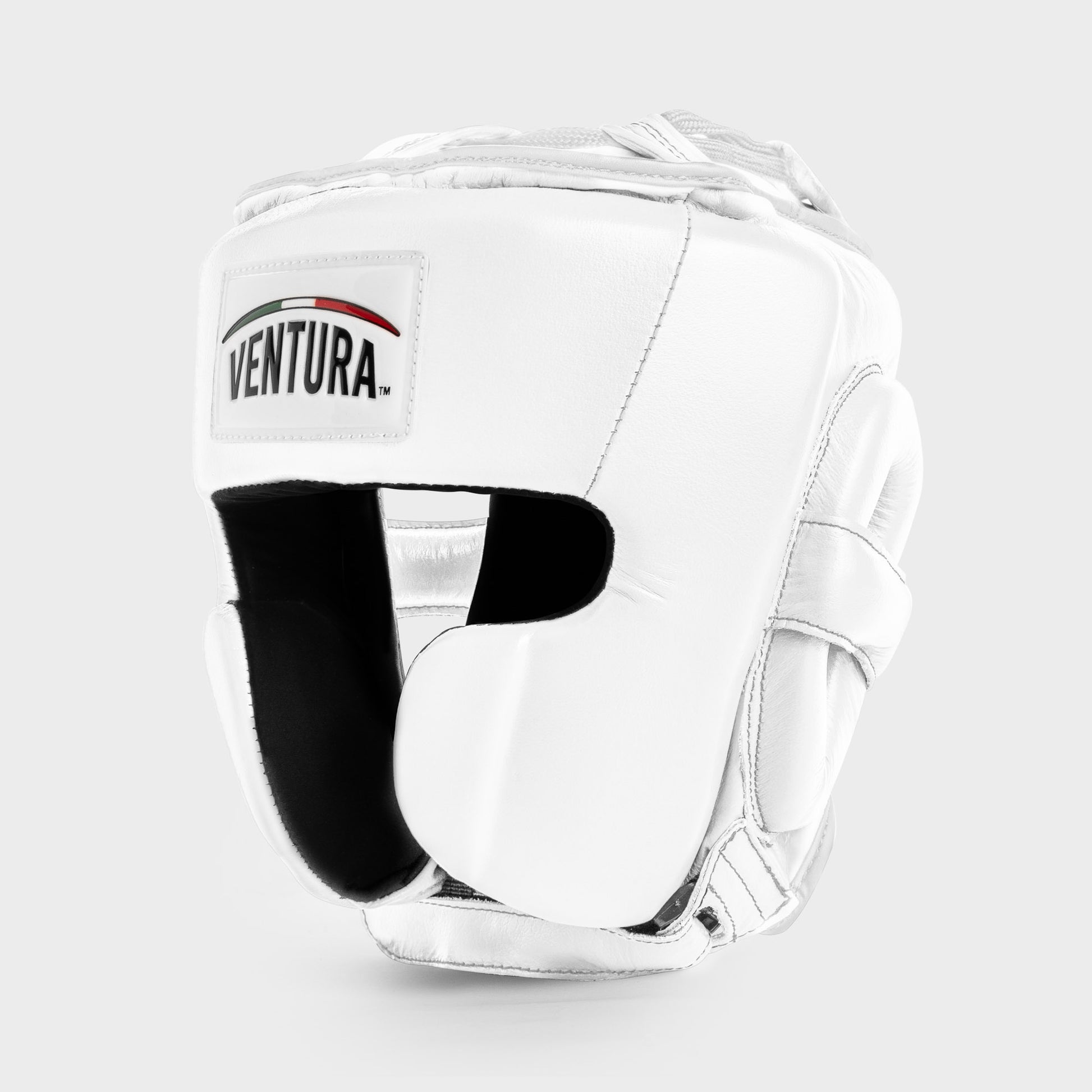
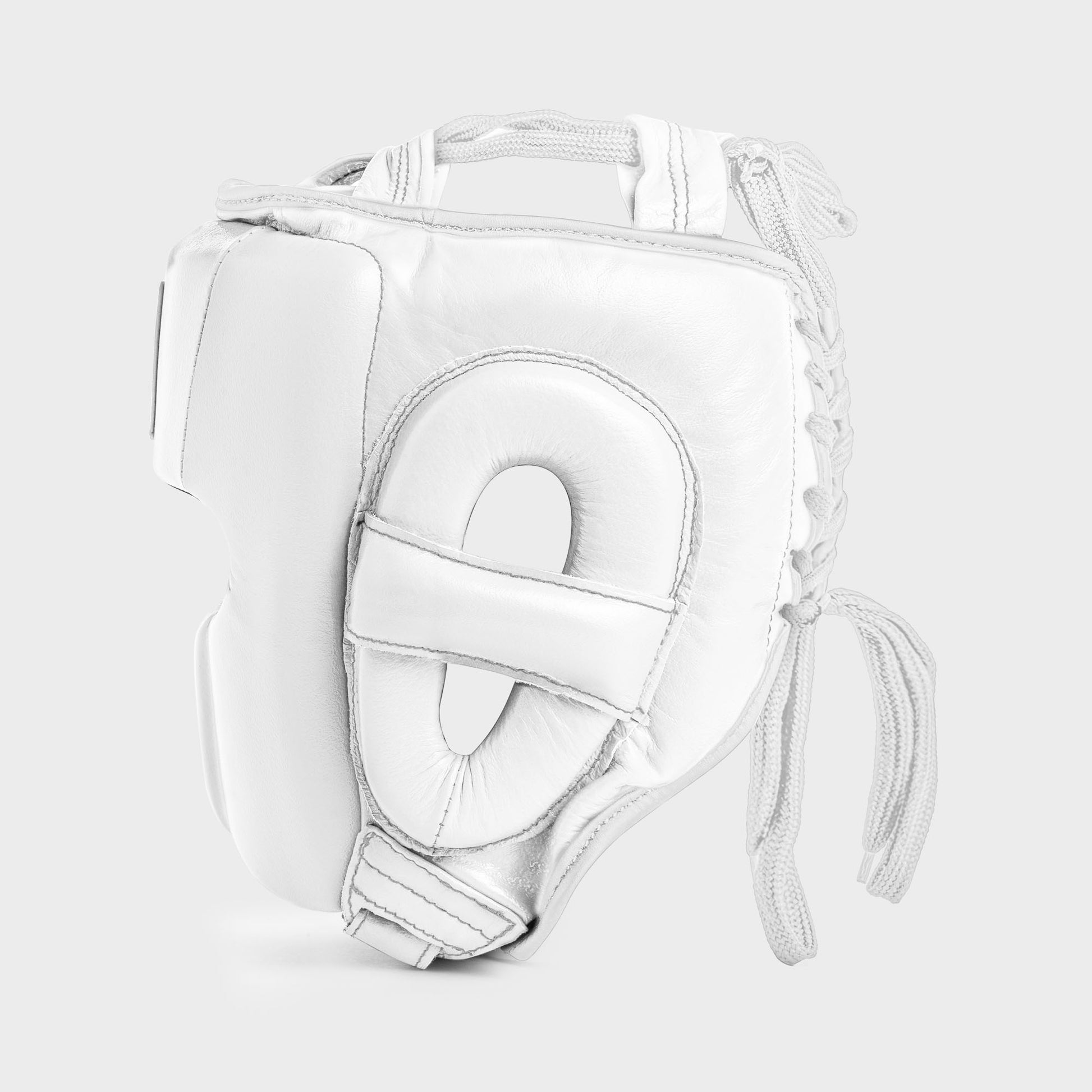
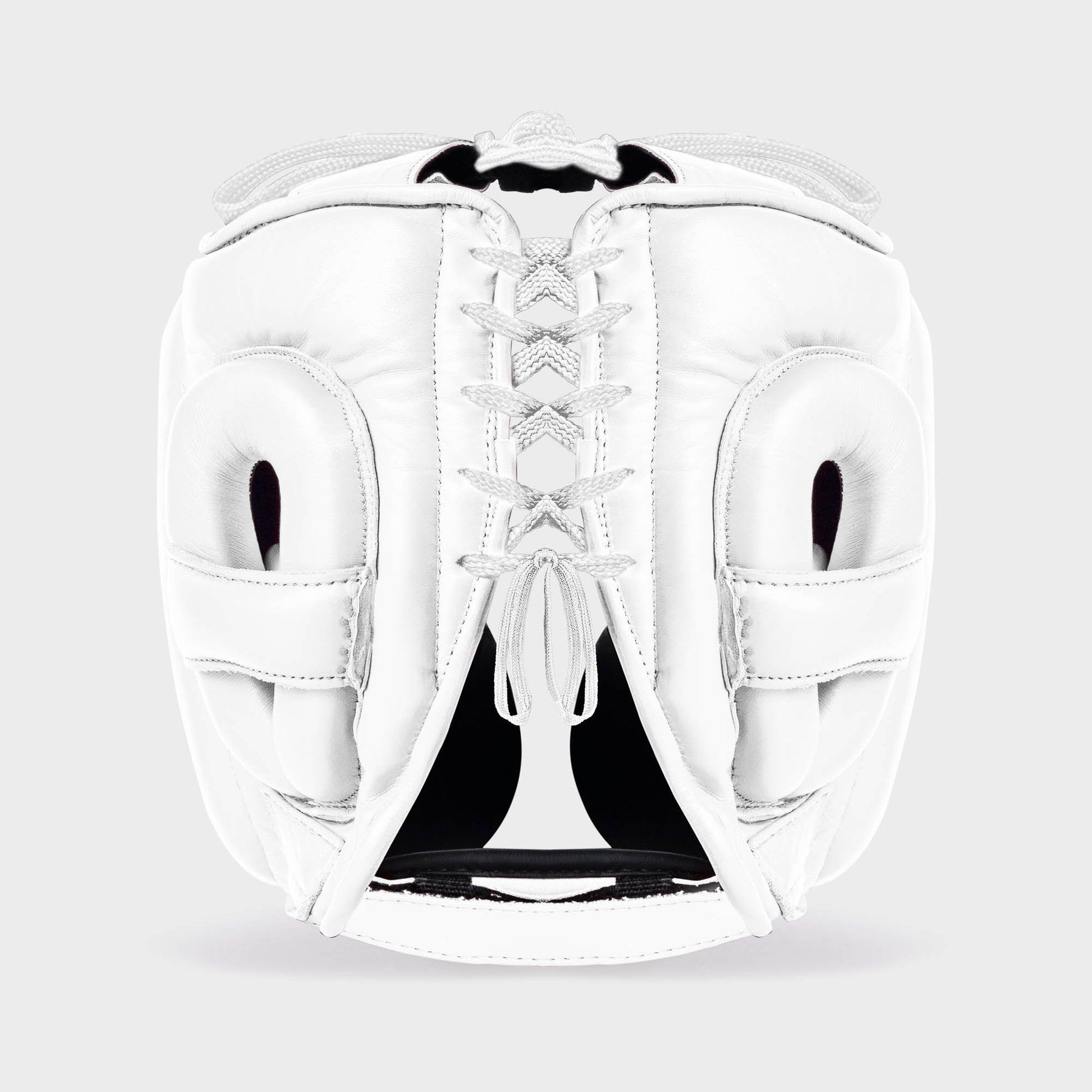
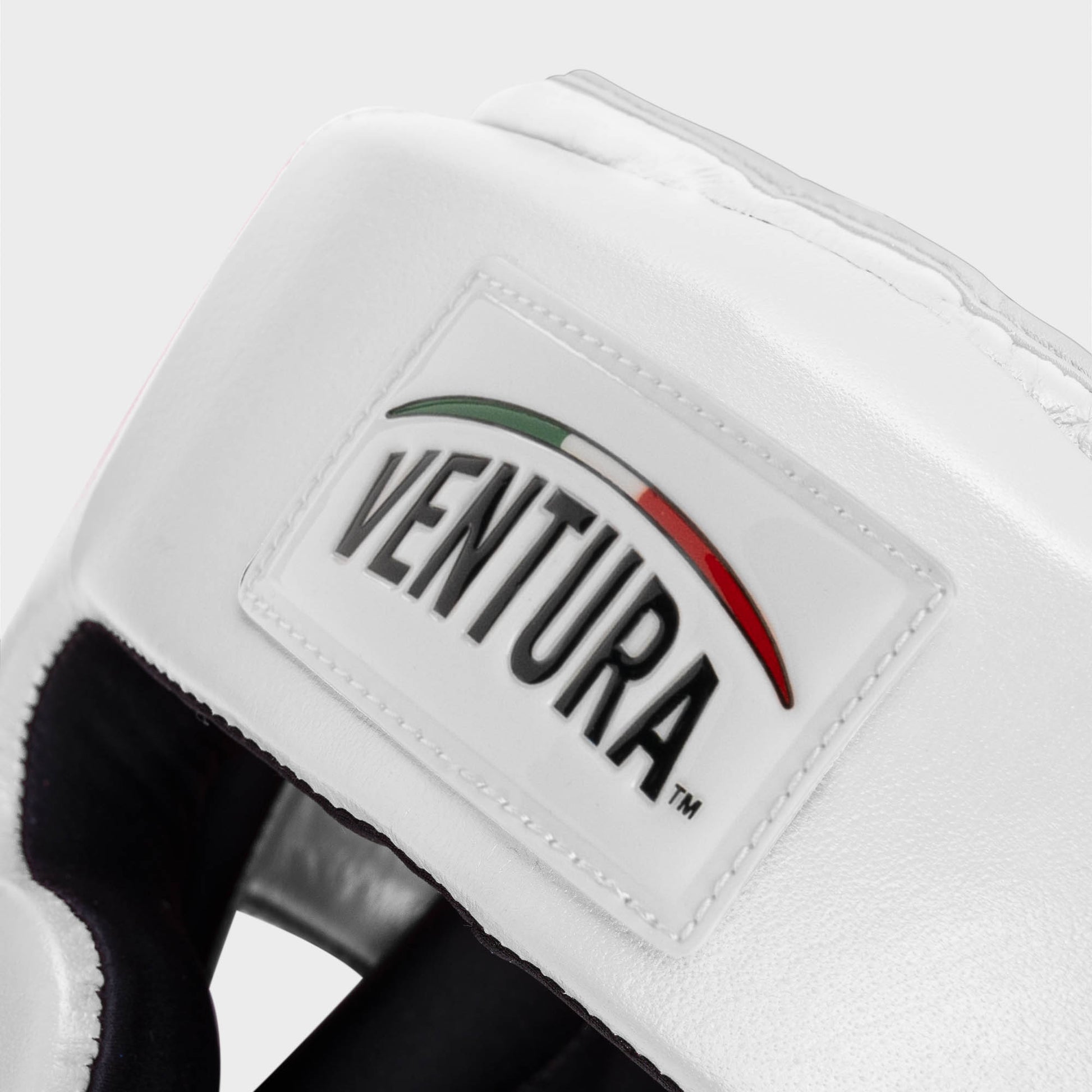
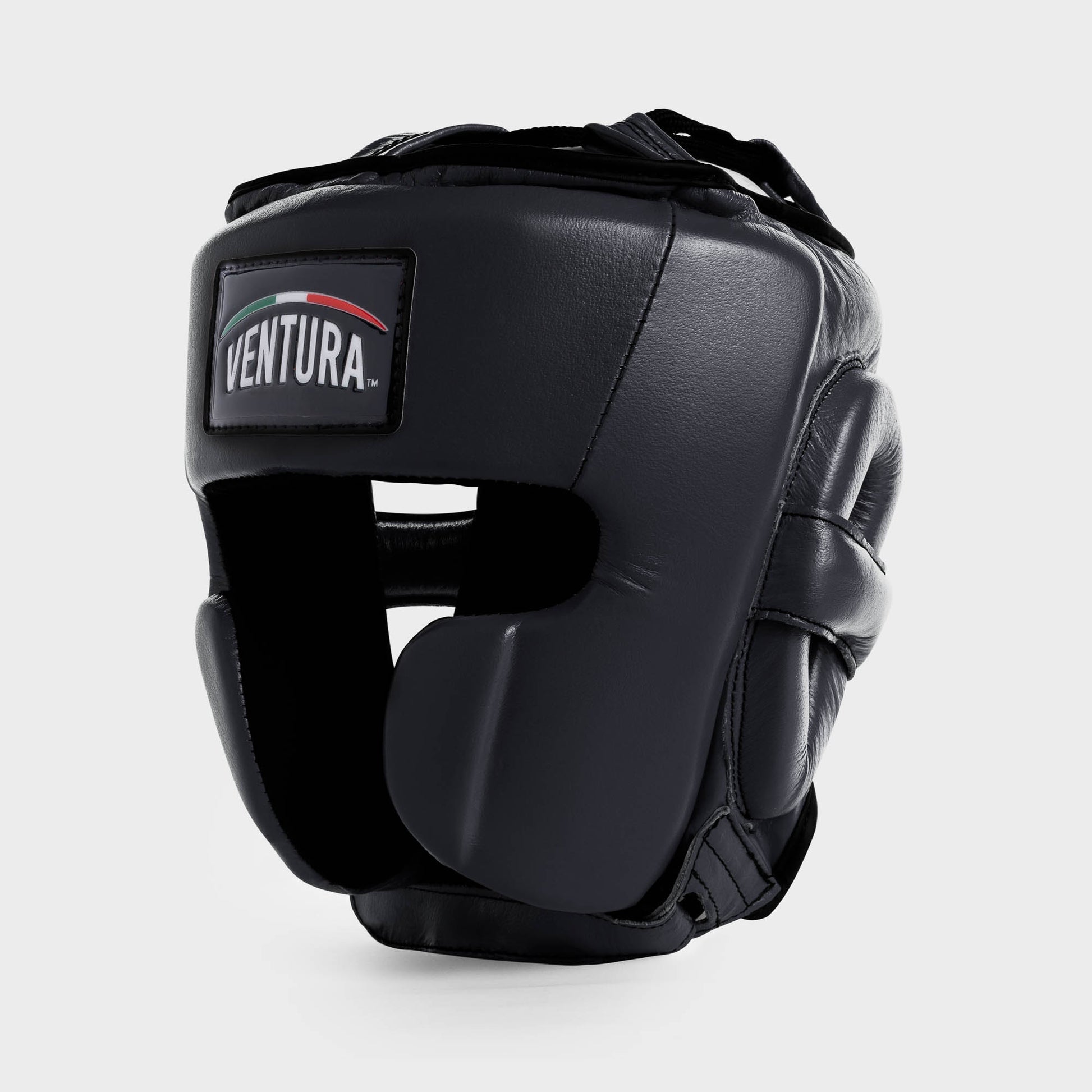
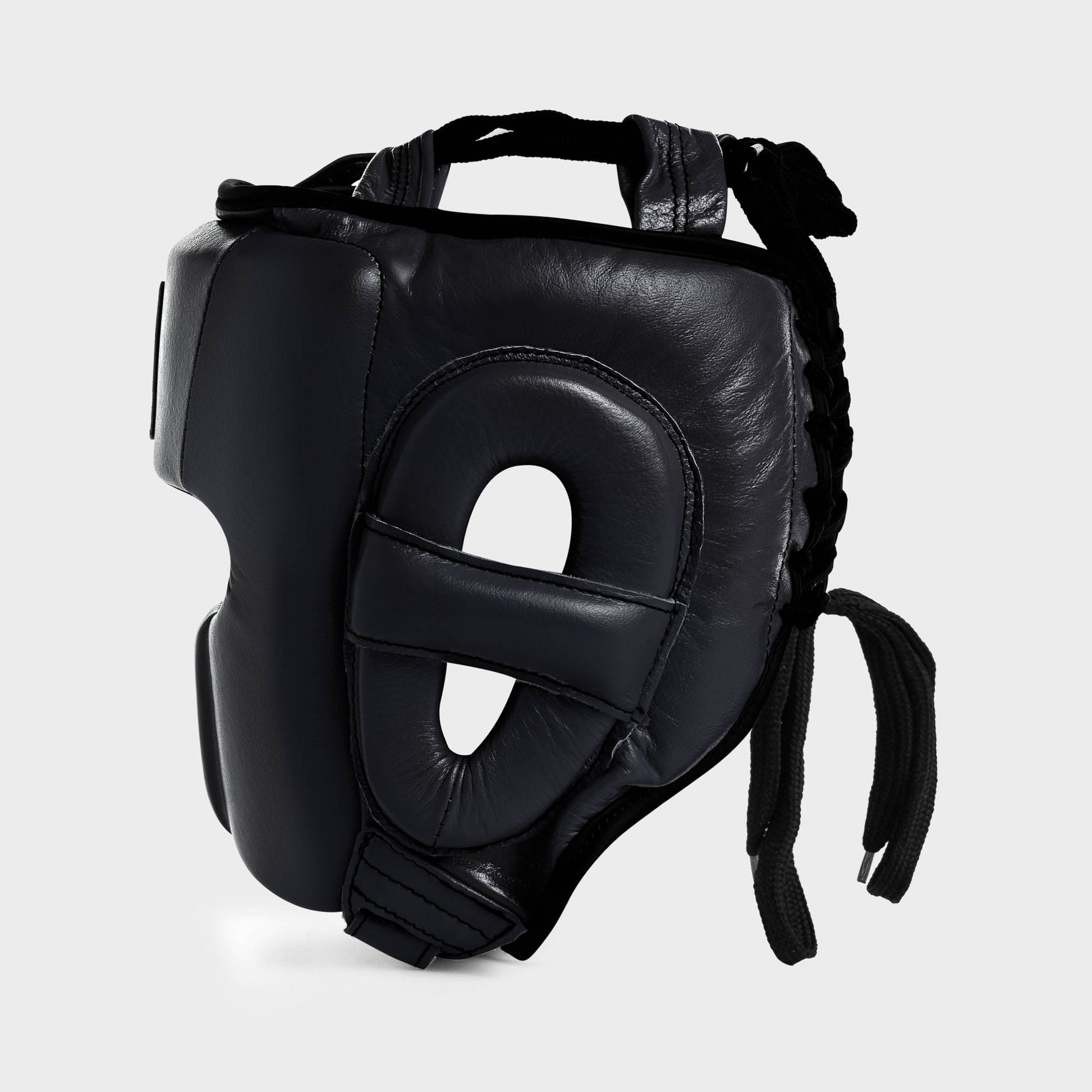
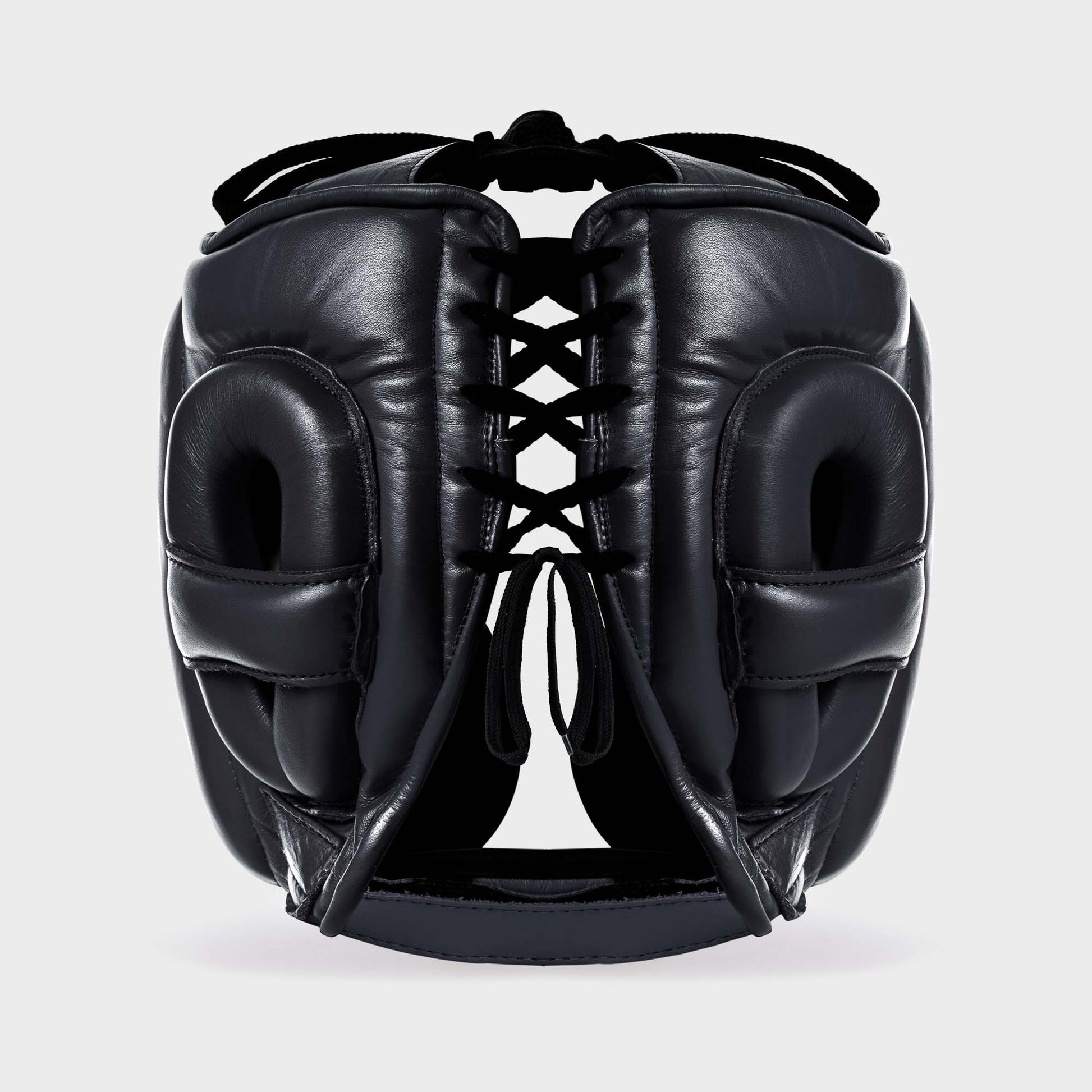
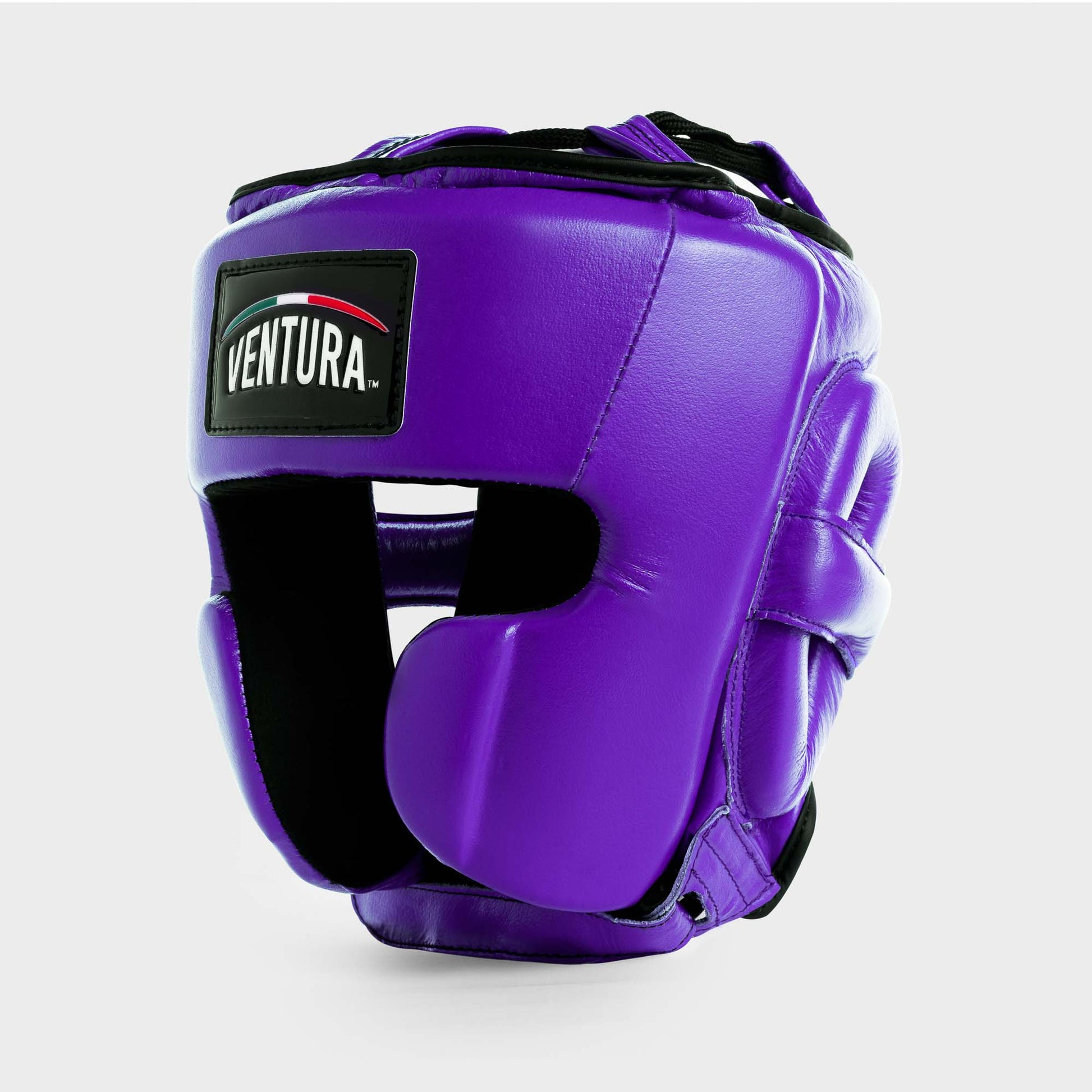
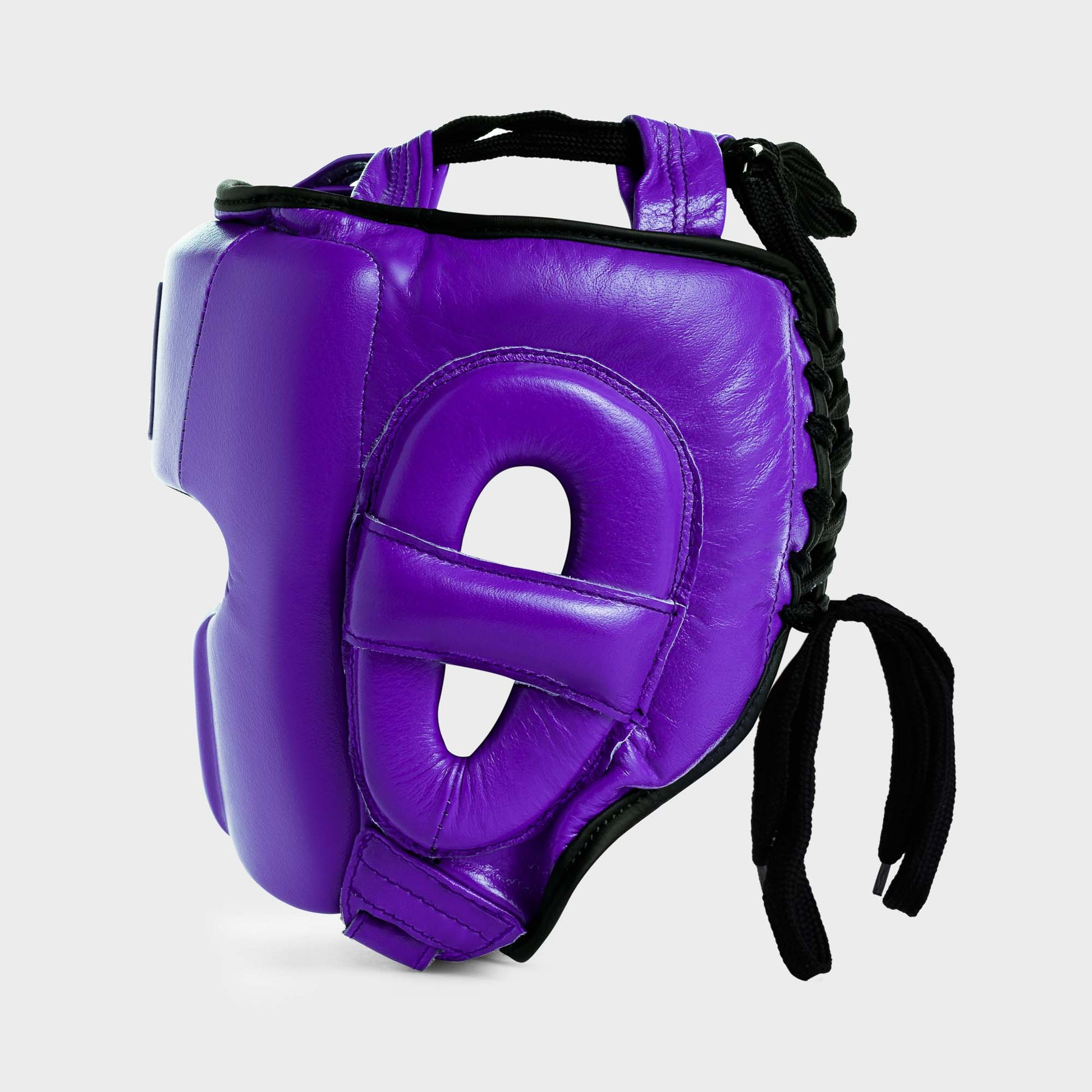
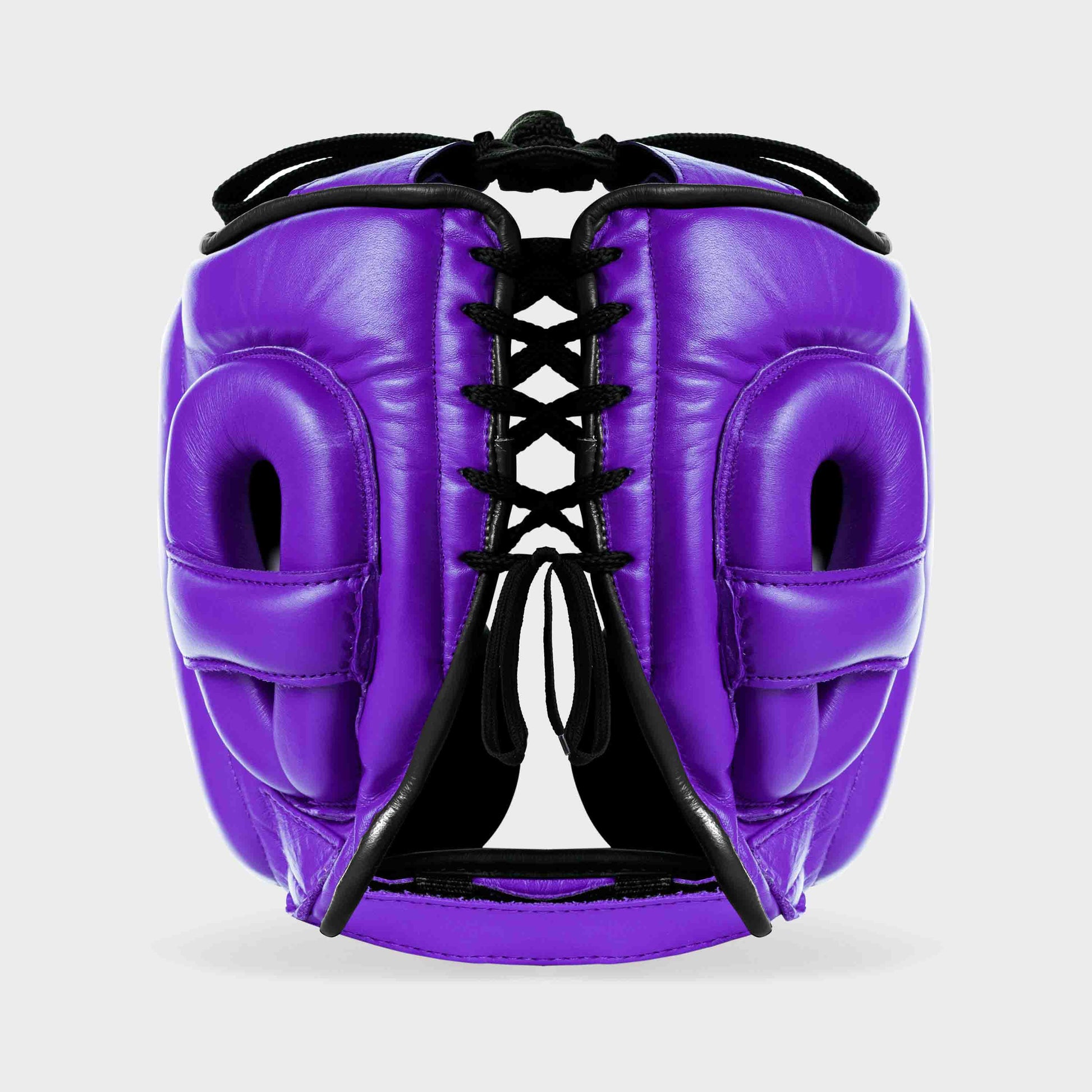
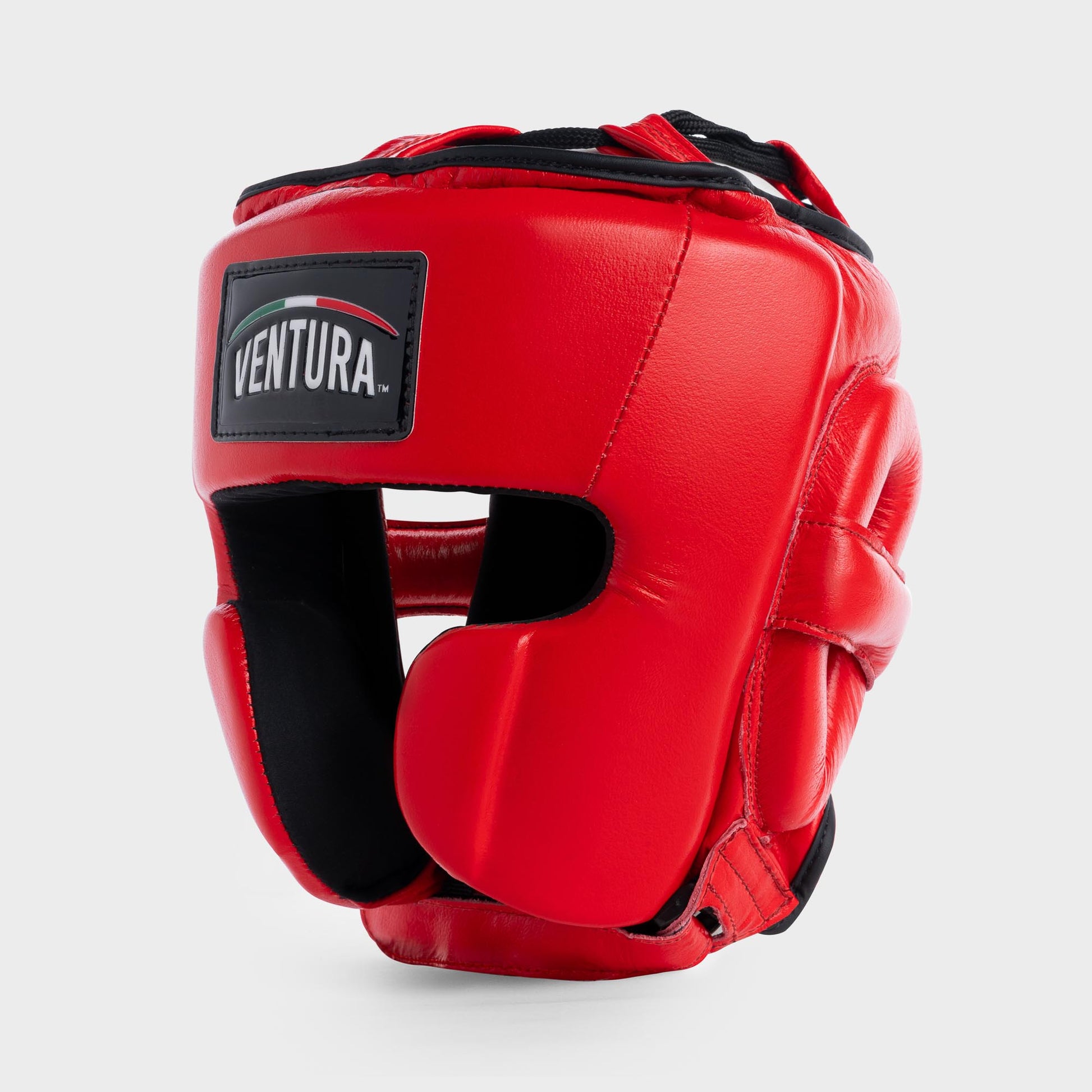
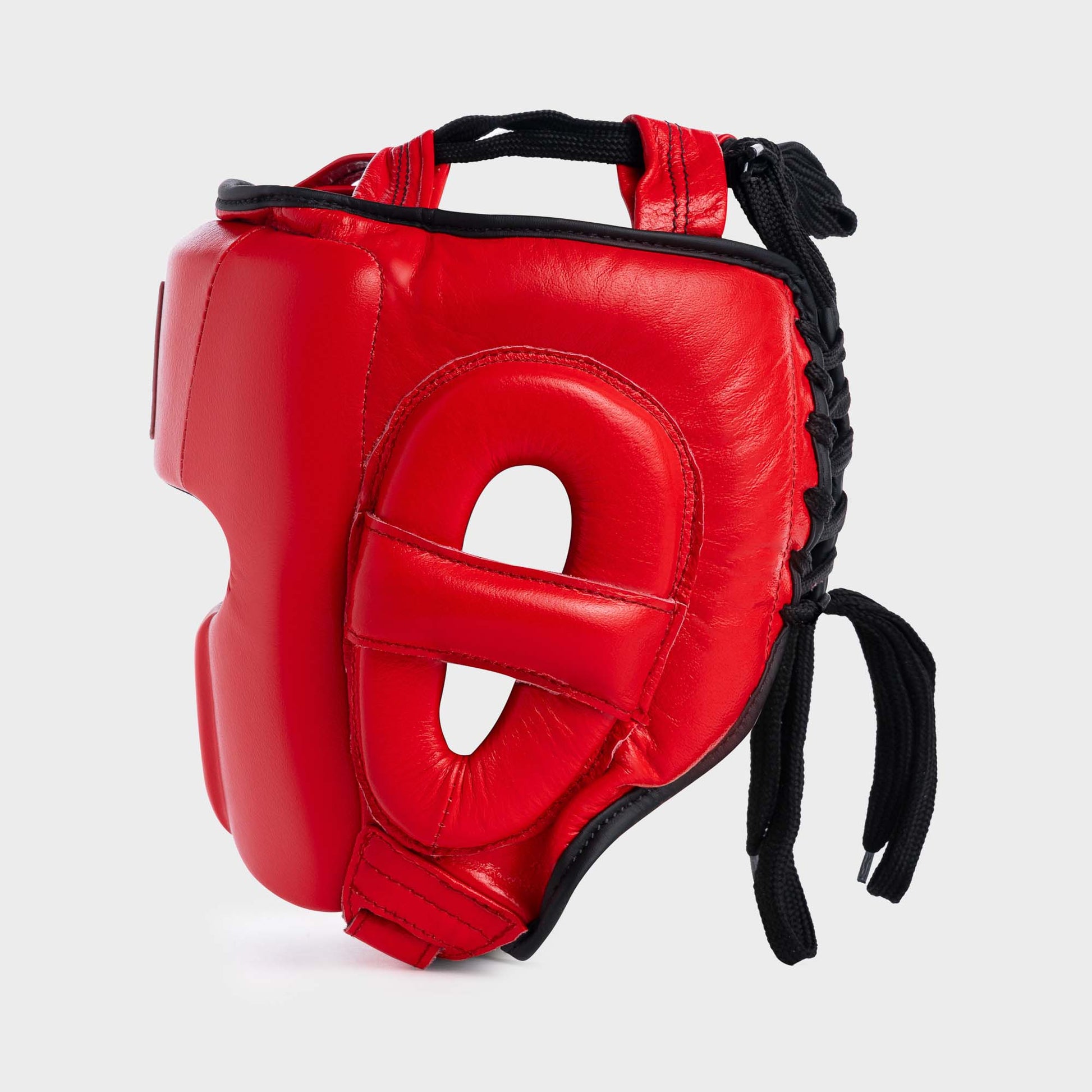
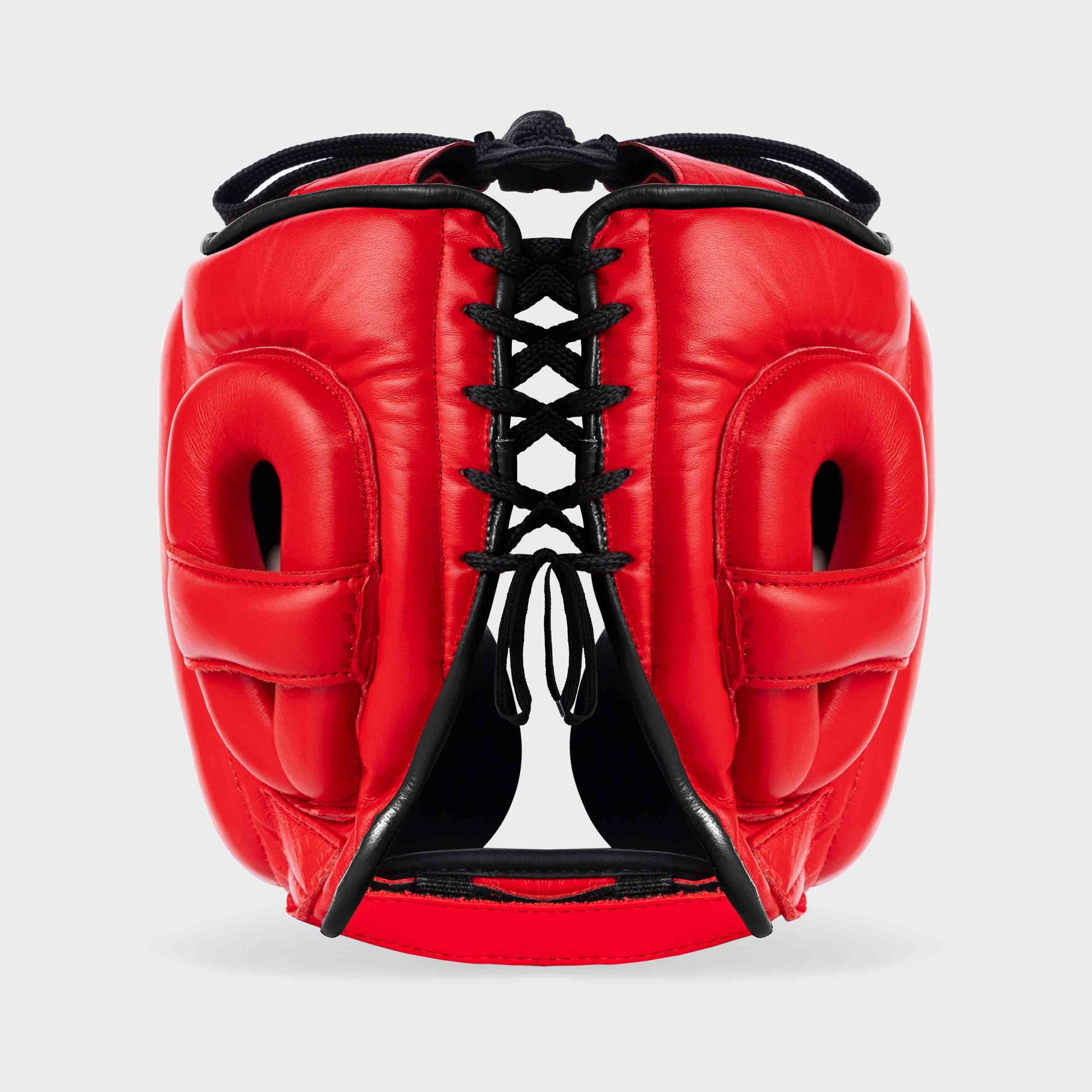
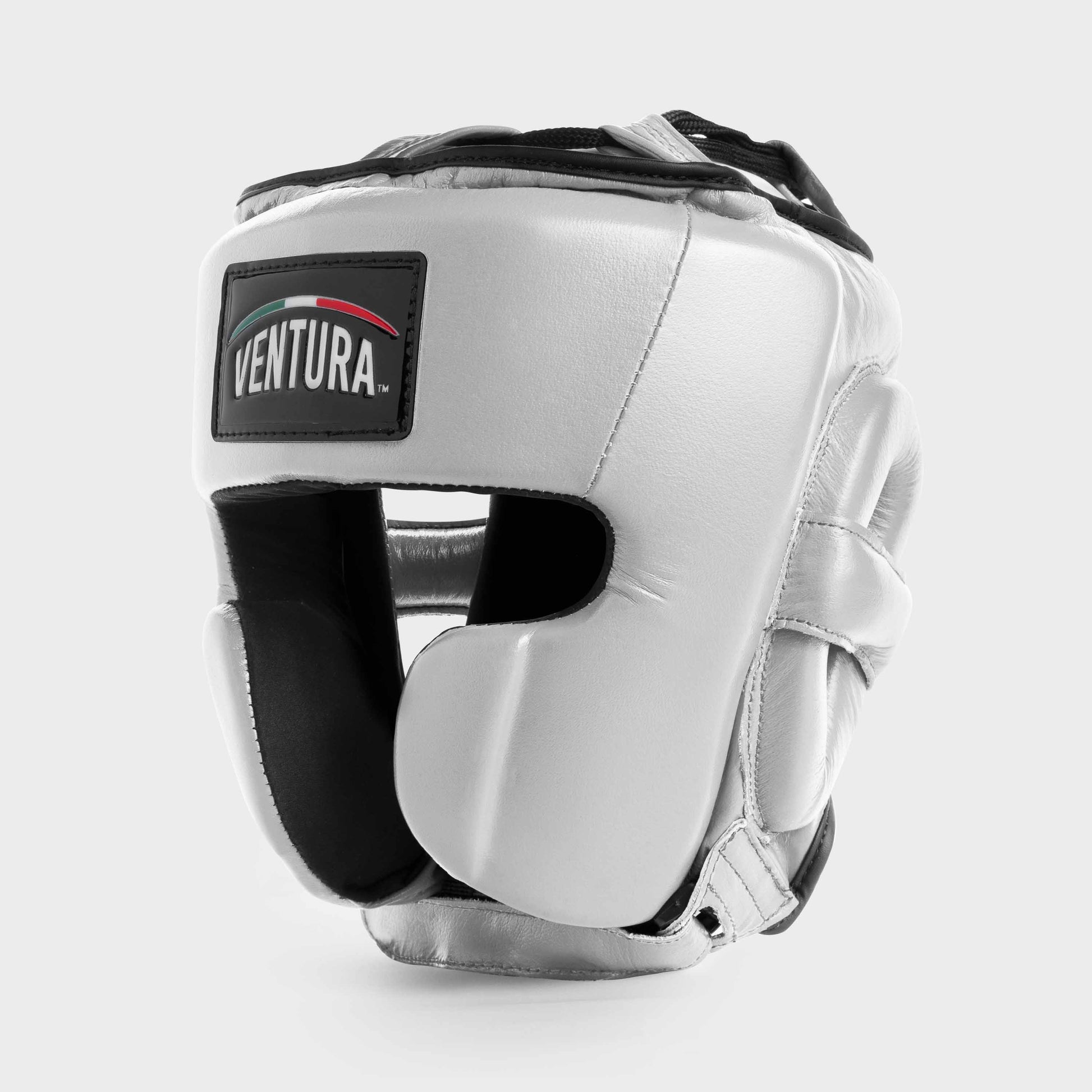
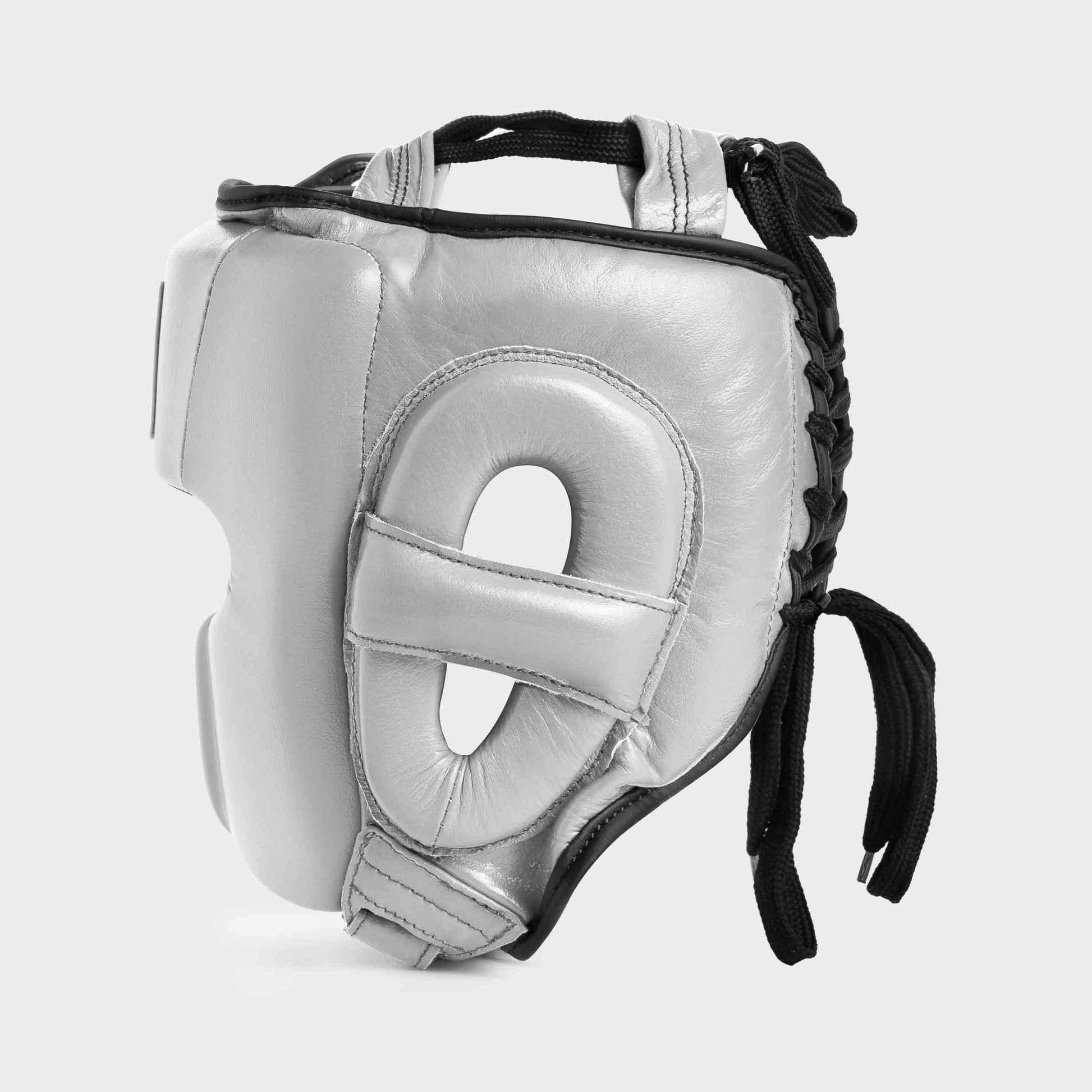
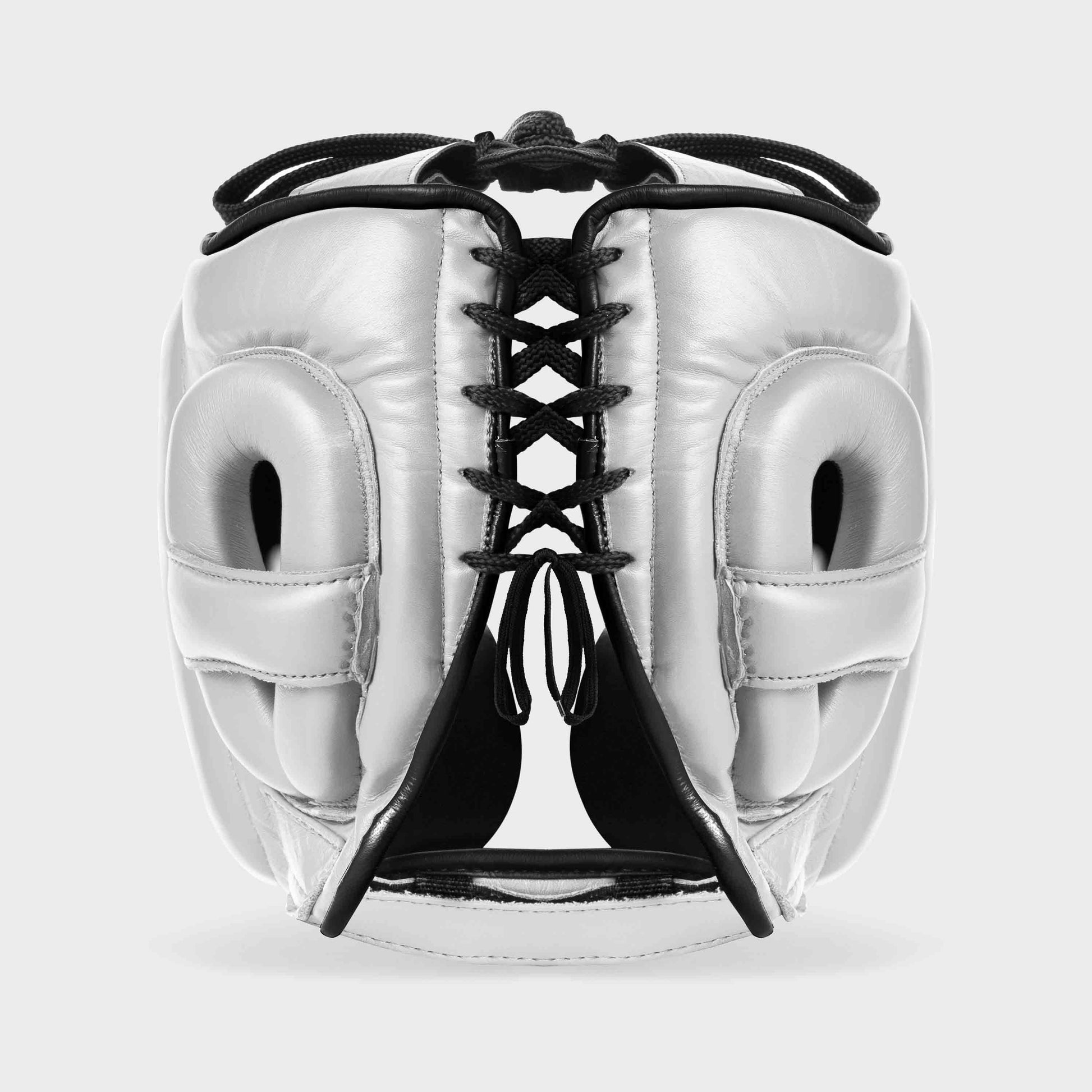
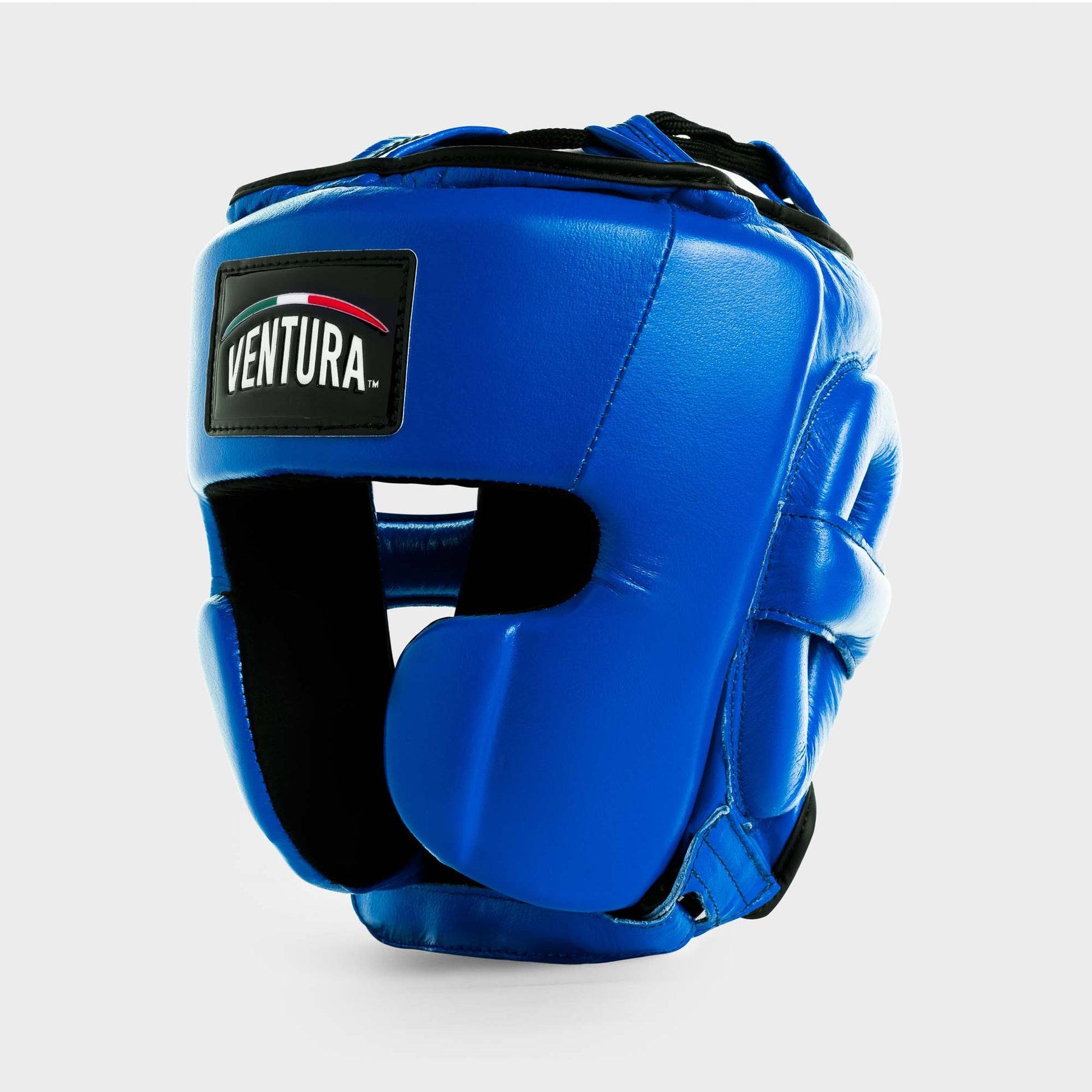
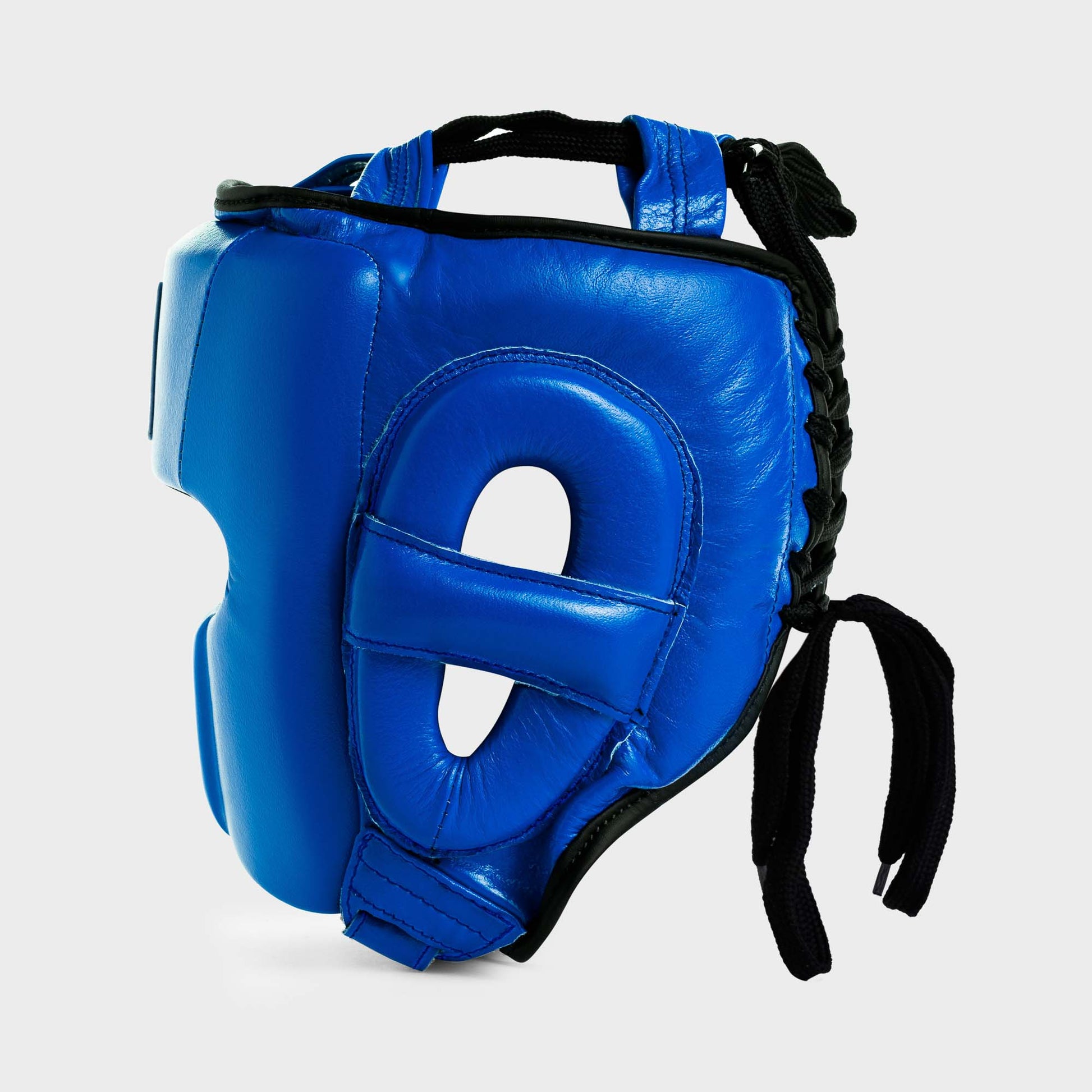
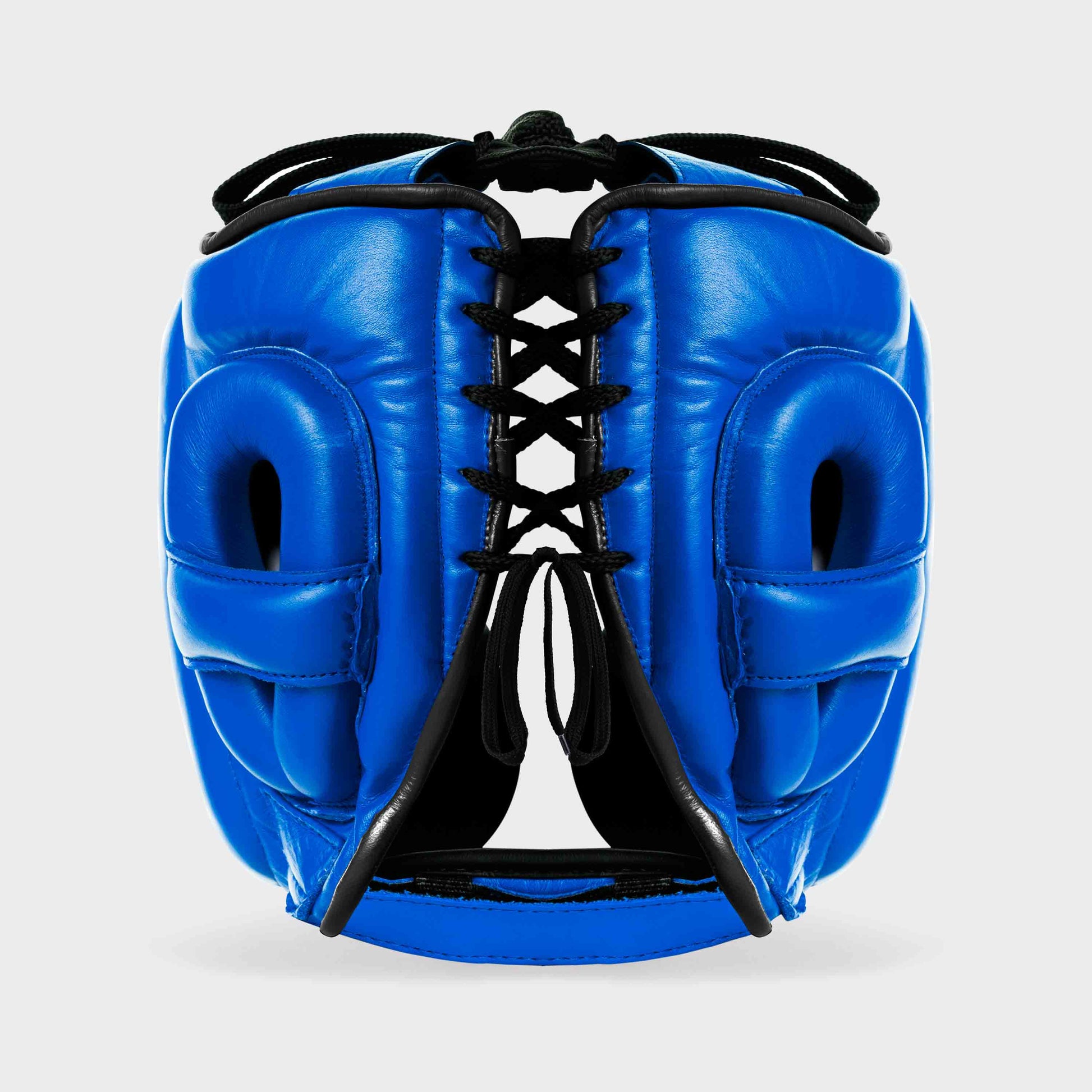
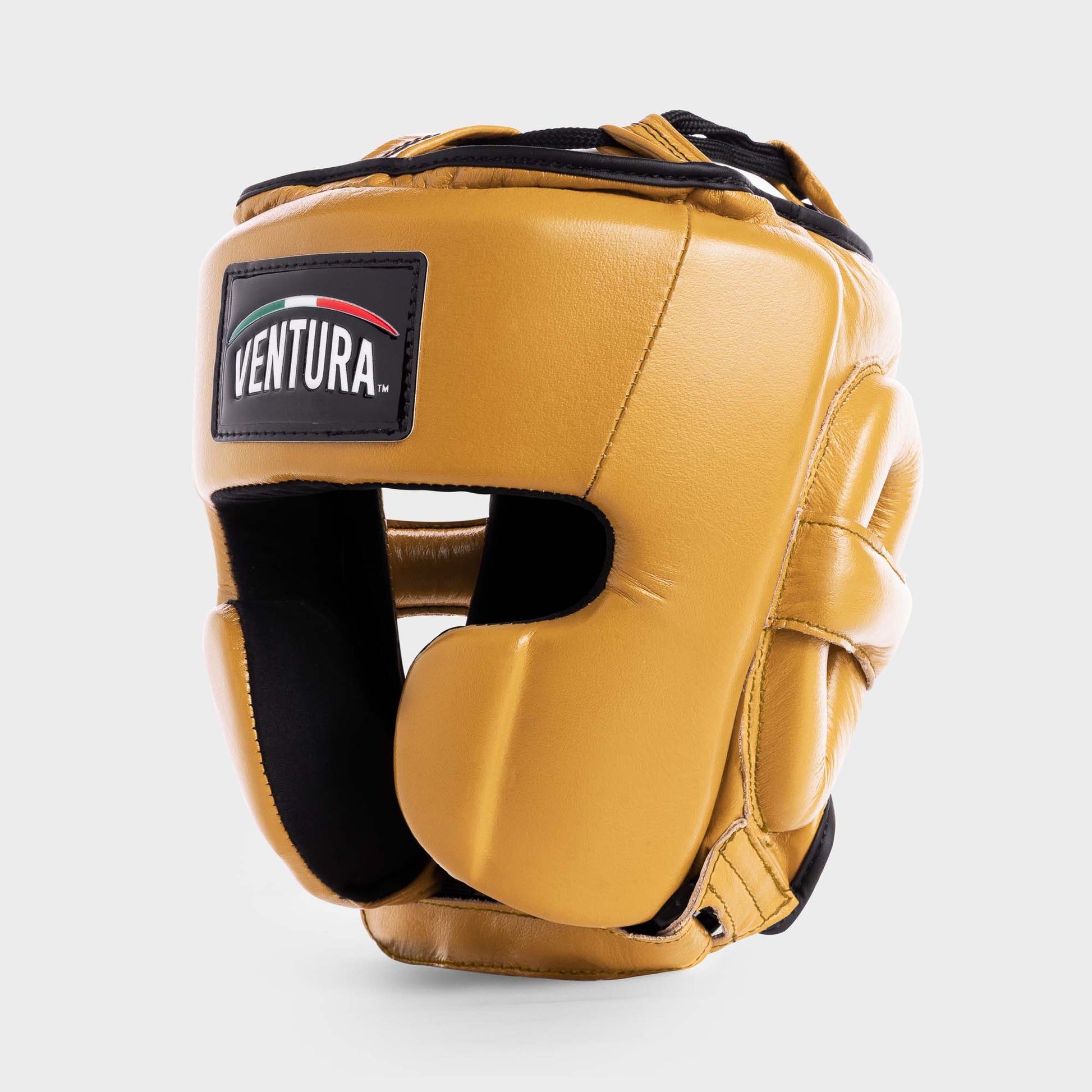
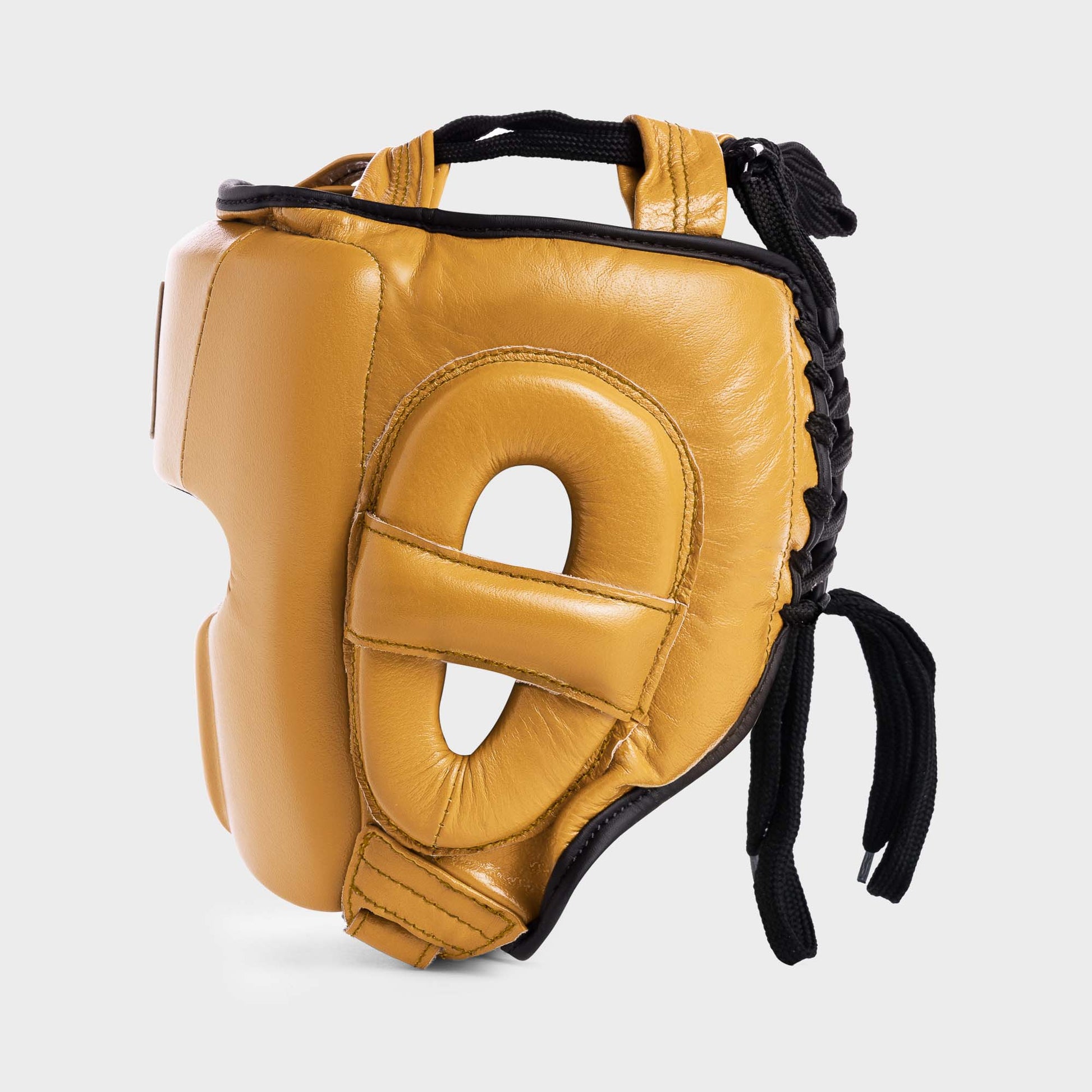
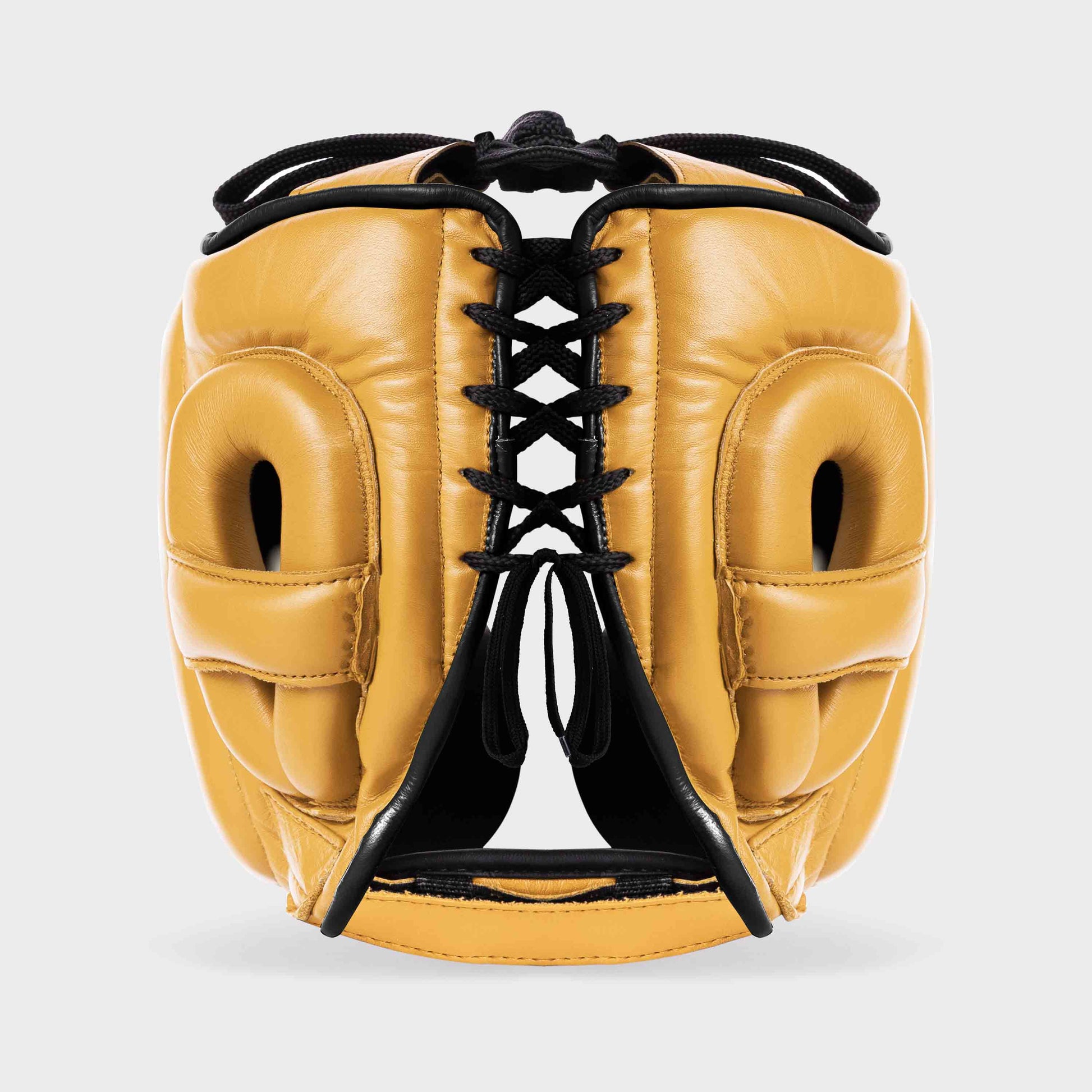



The reasoning has to start from the exchanges you actually face. Headguards with cheek protection are useful when jabs, short hooks and counters arrive while you are working at close range: in that moment the headguard must protect without making you lose your reading. In boxing, kickboxing and technical sparring, weight, support and stability become decisive as soon as rhythm, sweat and the partner’s pressure increase.
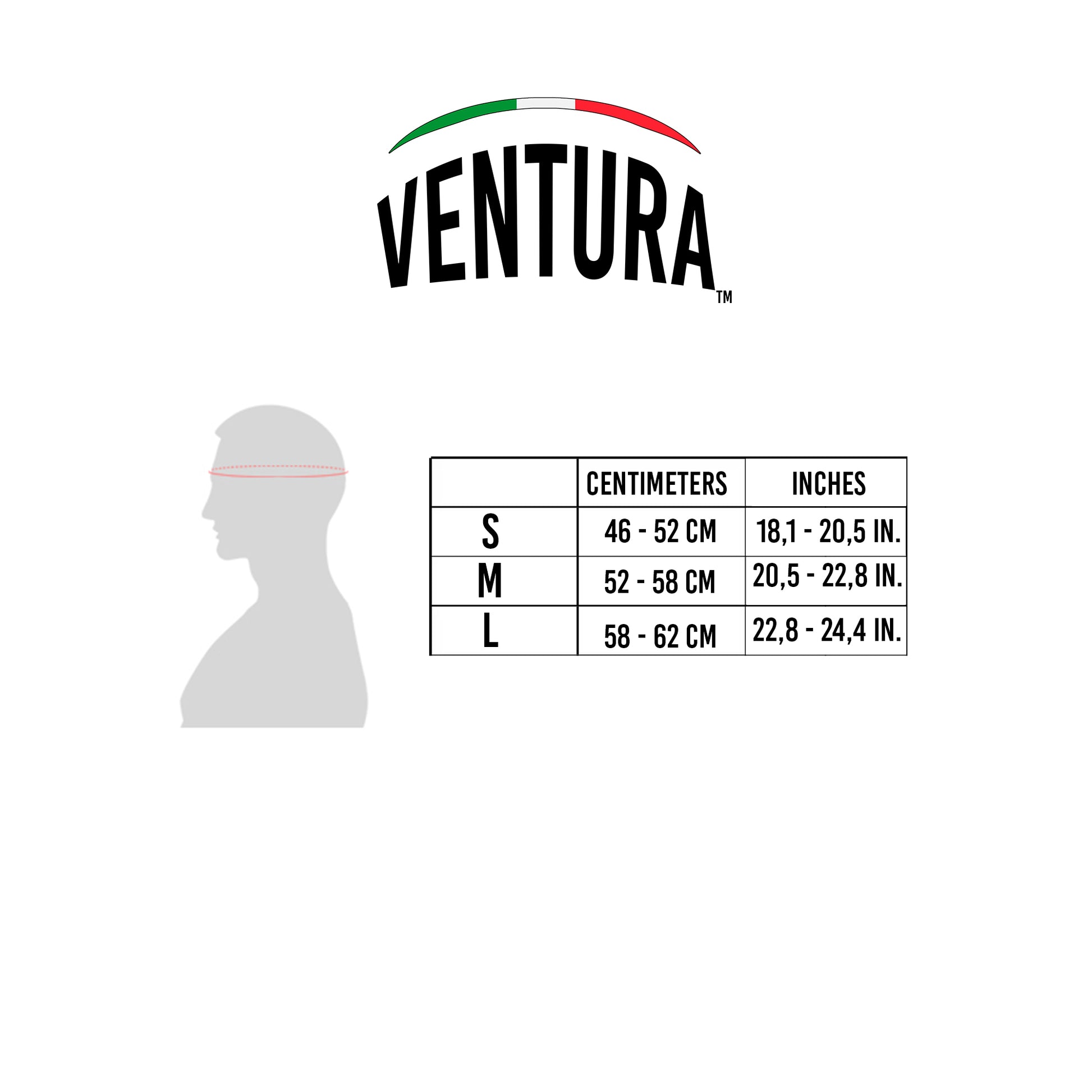
Before choosing the size, ask yourself how much sparring you do, whether you work with different partners and whether you want more coverage without going as far as a front bar. Check the thickness over the cheekbones, the stability under the chin, the position on the forehead and the space in front of the eyes. A headguard chosen large to feel more comfortable can move as soon as you sweat, reducing vision and confidence right when you need to react precisely.
In the training path, this type of headguard makes the transition from conditioned sparring to freer rounds safer. It does not matter only during the first test: it matters when you have already gained confidence and start asking more rhythm from your equipment. Well-calibrated protection allows you to plan technique, conditioning and sparring while keeping constant visual references.
Cleaning and maintenance of a frequently used headguard
Durability also depends on how you treat the product in the ten minutes after using headguards with cheek protection. The practical rule is to dry the side padding and check seams and Velcro after intense sessions. Care reduces unwanted changes before the next boxing or kickboxing sparring work with jabs, hooks and quick returns, and better preserves materials, finishes and feel of use. A quick check after using headguards with cheek protection also makes the possible mistake more visible: choosing only the feeling of protection while forgetting visibility and breathing before the next session.
Before the warm-up, it is worth checking what can slow you down with headguards with cheek protection. The most logical pairing is with suitable gloves, a mouthguard and a groin guard when contact increases, reducing the set to what you can wear and manage without hesitation. Before starting, check cheek protectors that cover without closing the view, a stable back of the head and a non-invasive chin section: the set must support boxing or kickboxing sparring with jabs, hooks and quick returns without creating delays right when the work gets going. This organization dedicated to headguards with cheek protection helps keep the material under control even when the pace rises.
- check that the cheek protectors cover without closing the view, that the back of the head is stable and that the chin section is not invasive before the central rounds
- test the product in boxing or kickboxing sparring with jabs, hooks and quick returns, not during a static check
- maintain hygiene starting here: dry the side padding and check seams and Velcro after intense sessions
- keep away the temptation to choose only the feeling of protection while forgetting visibility and breathing
Cheek protection, vision and real safety
To orient yourself, start from the movement you repeat most often: close-range exchanges where hooks, jabs and counters arrive from different angles. The feeling to look for is covered cheekbones, still-wide vision and a head free to move without slipping, but it must stay that way even when sweat and fatigue change perception. Move your head and shoulders as in sparring and observe whether the headguard rotates or closes the side vision too much: if the result changes too much, the model is not the most suitable for your routine.
Evaluating only how much they cover, forgetting breathing, field of vision and stability on the chin, is a shortcut you pay for in later sessions. Instead, consider an orderly progression, from defensive drills to more regular exchanges with partners of different builds, and choose the other elements with the same level of attention: sparring gloves, mouthguard, groin guard and shin guards if the sport also includes kicks. To avoid losing quality over time, dry the parts in contact with the forehead and cheeks, then check straps and internal seams.
From technical movement to maintenance
The initial check should simulate the most tiring part of training: for headguards with cheek protection, the most concrete reference remains boxing or kickboxing sparring with jabs, hooks and quick returns. Focus on cheek protectors that cover without closing the view, a stable back of the head and a non-invasive chin section, then move from a slow pace to a medium pace to read the response better. If you notice the risk of choosing only the feeling of protection while forgetting visibility and breathing, it makes sense to stop and compare a more coherent alternative. The feeling to look for with headguards with cheek protection is a protected head but a free gaze, with a stable response even after many repetitions.
Before deciding, pay attention to a simple test: move your head and shoulders as in sparring and observe whether the headguard rotates or closes the side vision too much. This check allows you to distinguish between a model that is merely pleasant and one that is truly functional, while maintenance remains consistent with this rule: dry the parts in contact with the forehead and cheeks, then check straps and internal seams. When an accessory behaves well in specific movements, the mind also works more freely: you have fewer distractions, fewer hesitations and a clearer perception of the technical gesture, while maintenance remains consistent with this rule: dry the parts in contact with the forehead and cheeks, then check straps and internal seams.
The problem with evaluating only how much they cover, forgetting breathing, field of vision and stability on the chin, is that it seems like a rational shortcut. In reality, it often leads to having to correct the purchase after a short time, while maintenance remains consistent with this rule: dry the parts in contact with the forehead and cheeks, then check straps and internal seams. If your path goes from defensive drills to more regular exchanges with partners of different builds, choose something that can accompany gradual progress, different intensities and different partners. Flexibility does not mean generic use: it means having margin without losing precision, while maintenance remains consistent with this rule: dry the parts in contact with the forehead and cheeks, then check straps and internal seams.
Finally, think about weekly management. Together with sparring gloves, mouthguard, groin guard and shin guards if the sport also includes kicks, the product enters a routine made of preparation, use and recovery. Dry the parts in contact with the forehead and cheeks, then check straps and internal seams. When this cycle is organized, every training session starts better and the equipment remains more reliable even after many sessions, while maintenance remains consistent with this rule: dry the parts in contact with the forehead and cheeks, then check straps and internal seams.
Equipment works better when it does not force you to improvise with headguards with cheek protection. Prepare first what is needed for boxing or kickboxing sparring with jabs, hooks and quick returns, and limit the load to what you can manage without looking for it halfway through training. Pairing suitable gloves, mouthguard and groin guard when contact increases only helps if it avoids a concrete limit during training. Check cheek protectors that cover without closing the view, a stable back of the head and a non-invasive chin section before the warm-up: when headguards with cheek protection are already ready, it becomes easier to follow the progression without distraction.
Useful questions before buying
When is it worth protecting the cheekbones better?
When you often work at short range or receive hooks during exchanges. Side protection helps, but it must leave the trajectory of the punches visible.
Why does natural leather matter on headguards with cheek protection?
Because it helps the covering withstand sweat, side rubbing and close contact. Ventura combines it with finished edges and firm padding to maintain a convincing relationship between perceived quality and investment.
How can you tell if the vision remains free enough?
Wear the headguard with the mouthguard and simulate guard, slips and lateral exits. If you have to rotate your head too much to see the punches, the model is too closed for you.
How do you clean the inner area after use?
Wipe with a slightly damp cloth, dry immediately and leave the headguard open. Avoid aggressive sprays that can dry out edges and seams.