
Facebar headgear with nose protection bar
-
GENUINE LEATHER BOXING FACE BAR HEADGEAR - WHITE -
GENUINE LEATHER BOXING FACE BAR HEADGEAR - BLACK -
GENUINE LEATHER BOXING FACE BAR HEADGEAR - PURPLE -
GENUINE LEATHER BOXING FACE BAR HEADGEAR - RED -
GENUINE LEATHER BOXING FACE BAR HEADGEAR - BLUE -
GENUINE LEATHER BOXING FACE BAR HEADGEAR - GOLD -
GENUINE LEATHER BOXING FACE BAR HEADGEAR - SILVER
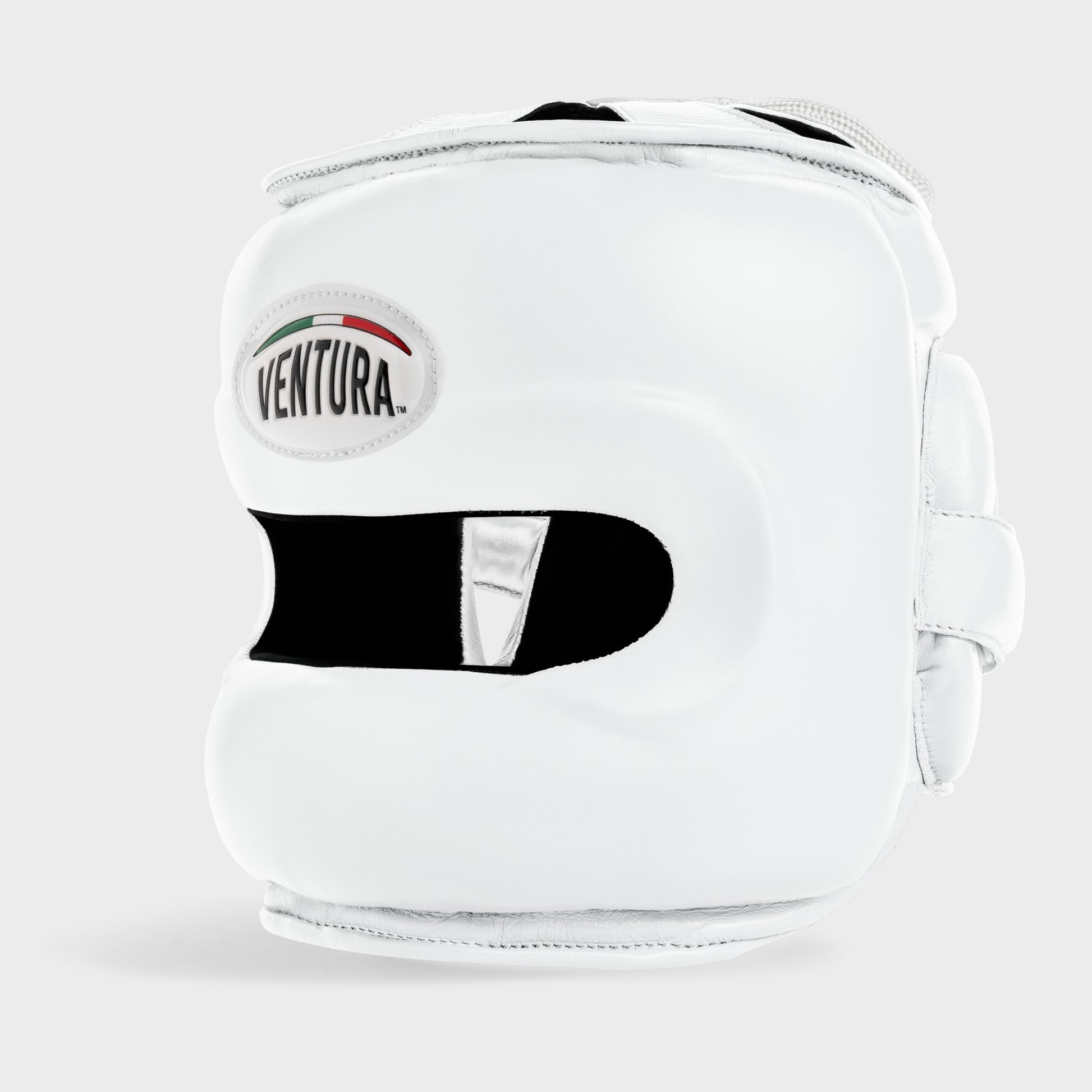


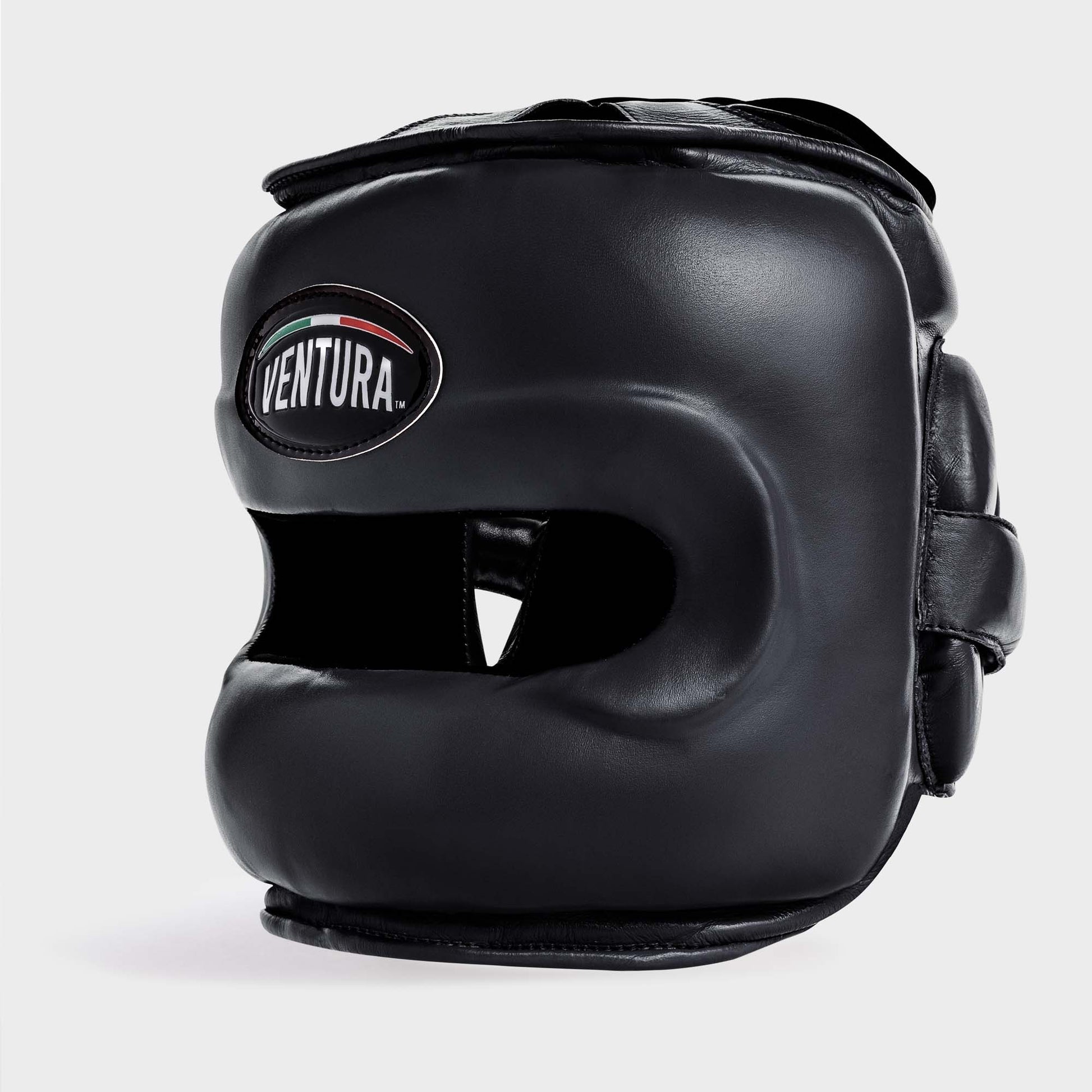
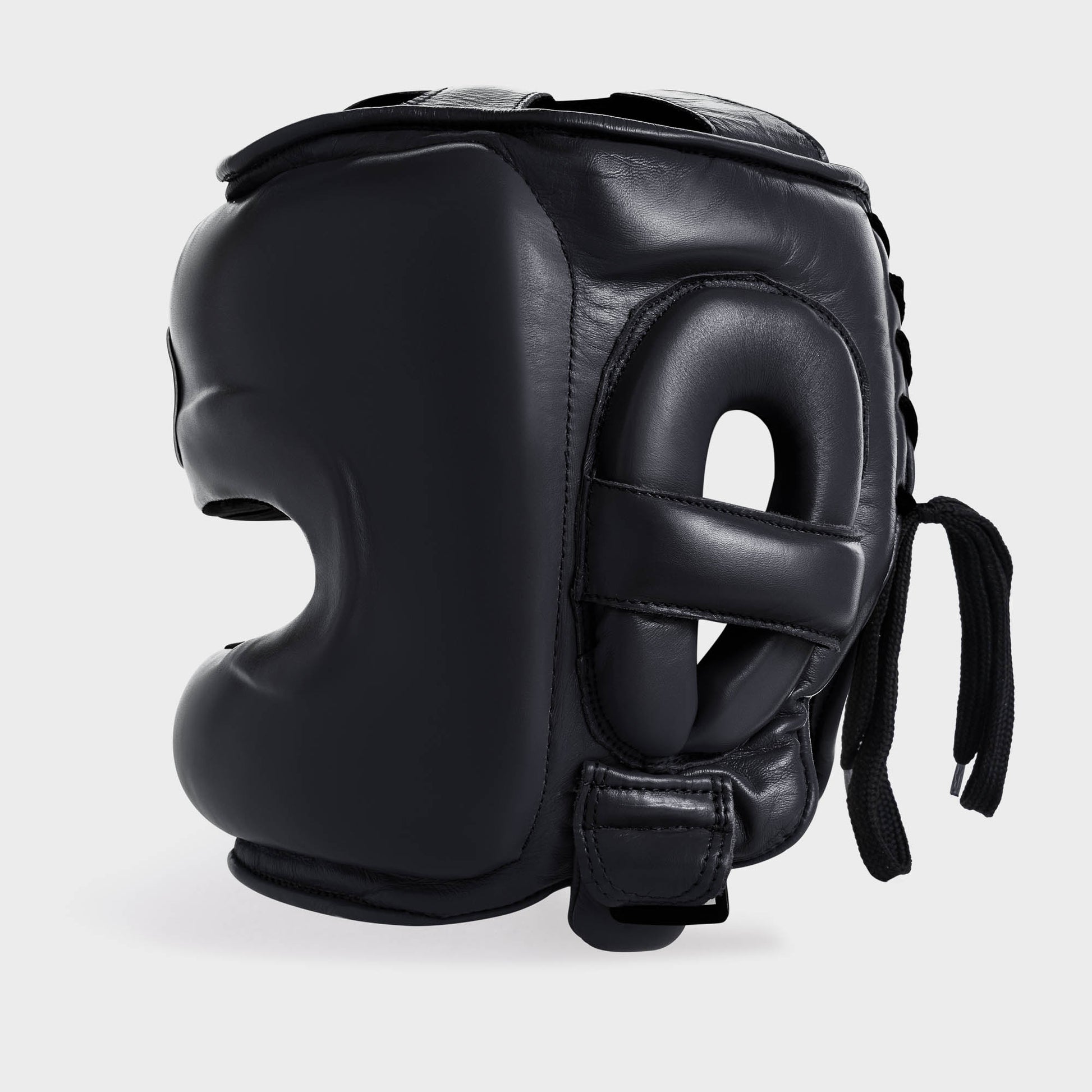

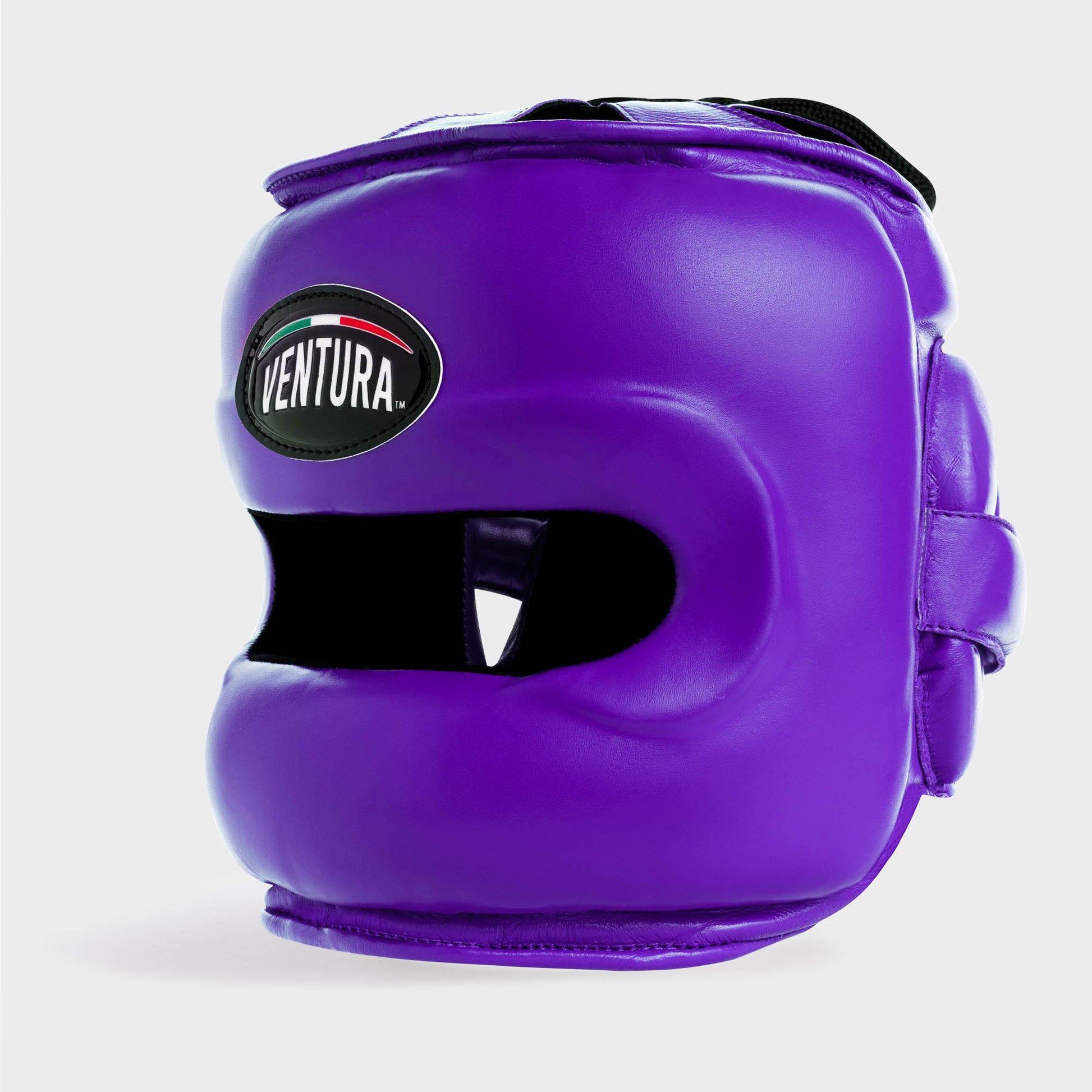


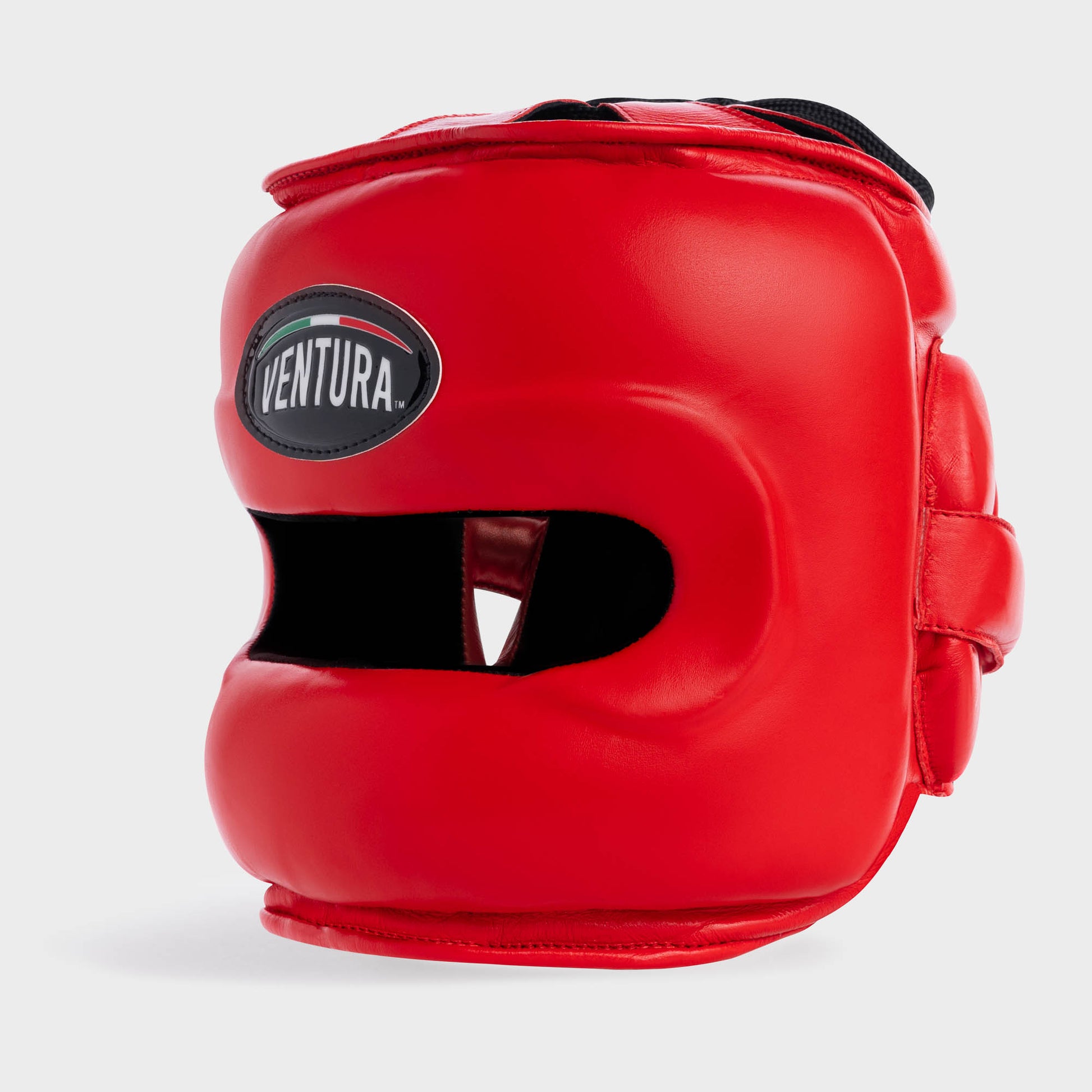


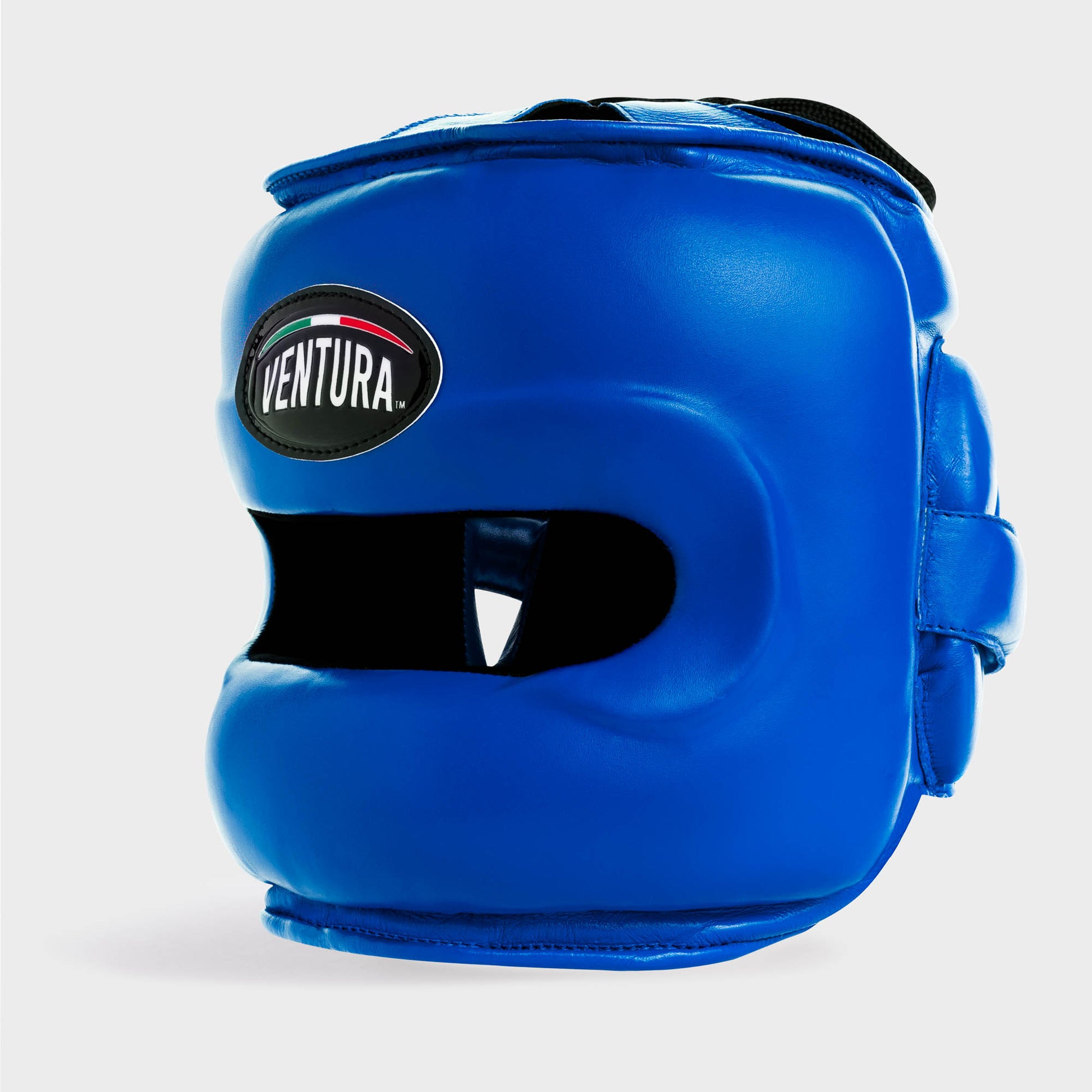


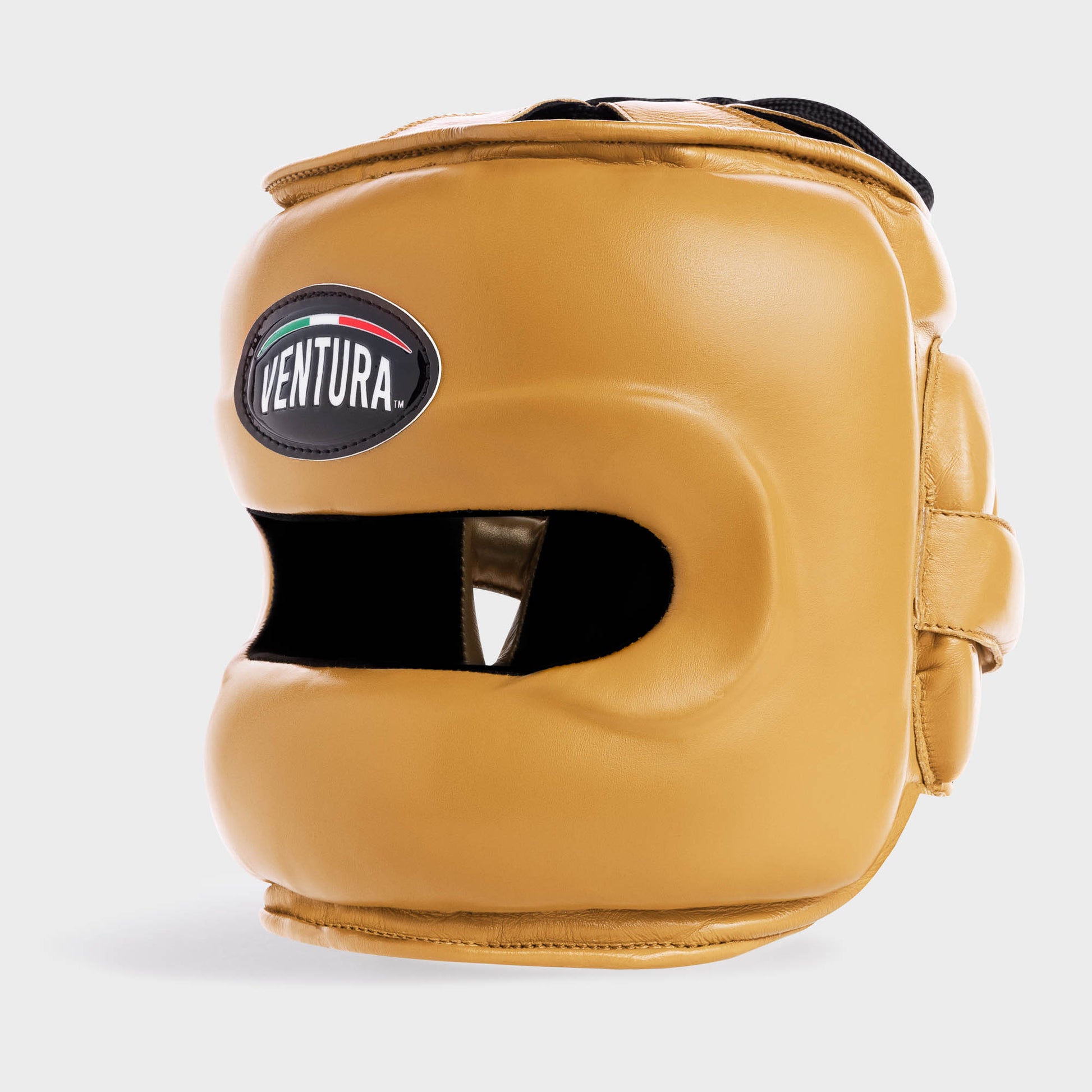


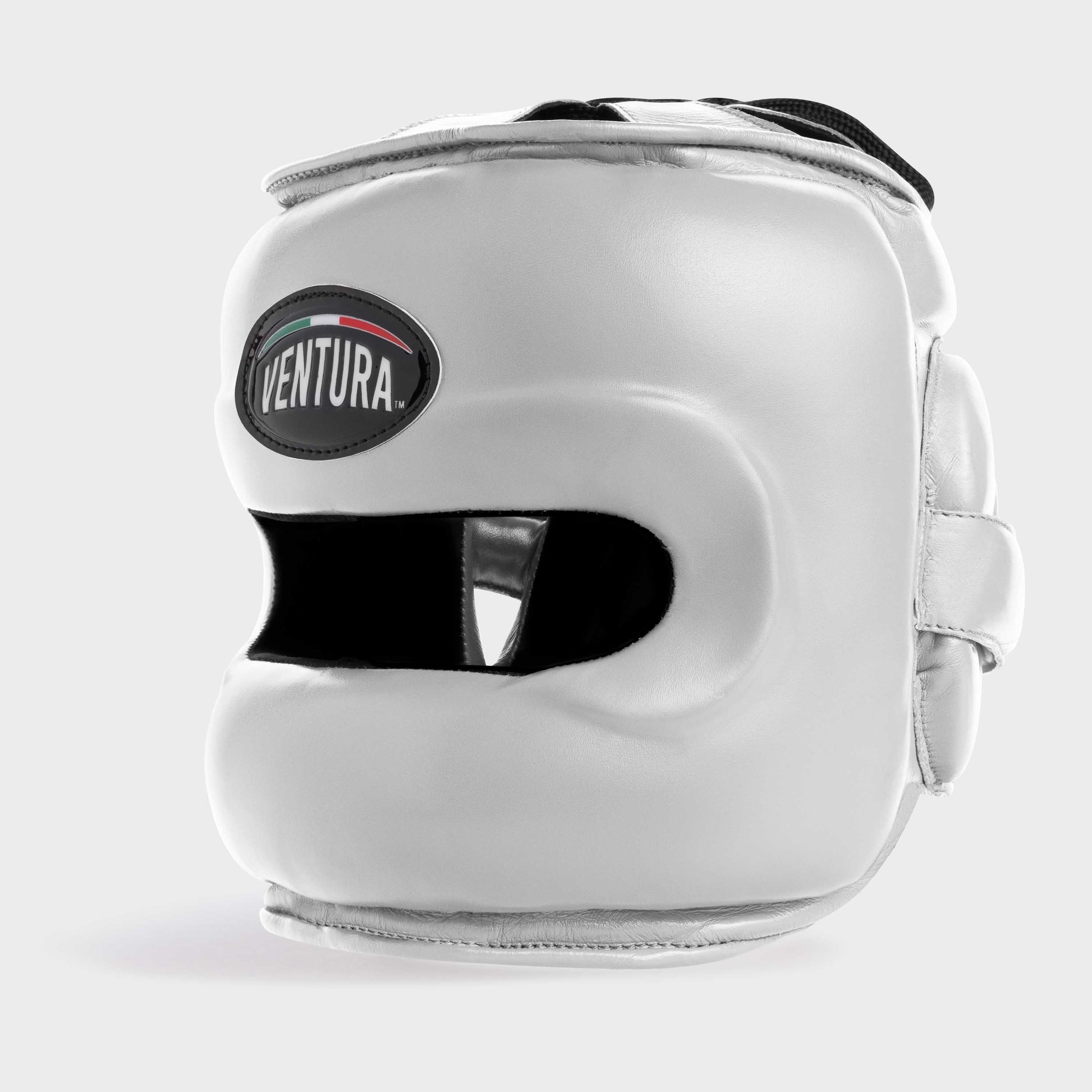


The facebar headgear is designed for those who want to better shield the nose and center of the face during controlled sparring. The bar must protect without unbalancing the headguard forward or preventing you from reading punches.
Front bar and nose protection
Check the distance between the bar and the face, lateral stability and chin comfort. A good setup allows you to breathe, talk to the coach and keep your guard high without constant adjustments.
Bar, covering and long-term hold
In Ventura facebars, the genuine leather covering reinforces the contact areas and supports a structure designed to protect the nose and center of the face. Careful stitching and solid finishes give a premium feel, with a sustainable price for those who spar consistently.
Adjustments not to underestimate
Check:
- Bar away from the nose even under pressure
- Strap and back of the head adjusted with no lateral play
- Balanced weight so the neck does not tire
Clean the bar and the inner areas after every session, then let the headguard dry without closing it. Maintenance prevents odors and keeps the adjustment points more stable.
To complete the equipment, you can pair them with headguards with cheek protection and lace-up gloves, keeping a set consistent with real use.
The front bar as targeted protection
To avoid superficial choices, start from the situation that puts the material most to the test: for the facebar headguard, the most concrete reference remains sparring in which you want to shield the nose and center of the face without stiffening the guard. Focus on a centered bar, correct distance from the nose, sufficient field of vision and firm adjustments, and check the behavior after a few minutes of continuous work. If you notice the risk of using the bar as an excuse to enter without defense, it is worth reassessing sizes and pairings. The feeling to look for with the facebar headguard is more confidence in frontal punches, while staying reliable when the body is warm and less precise.
In the headguard, protection is effective only if it stays in place. During sparring work where you want to reduce direct exposure of the nose and center of the face, a minimal rotation is enough to lose vision or have to interrupt the exchange. That is why the test must include small head movements, high guard and simulation of side punches. A firm headguard should not compress annoyingly: it must accompany movement and let you read the opponent.
Finding balance between safety and field of vision
A solid choice comes from a concrete question: what happens when the rhythm rises? Observe the facebar headguard during sparring in which you want to shield the nose and center of the face without stiffening the guard, without stopping at the most comfortable test. For the facebar headguard, the most revealing check concerns the centered bar, correct distance from the nose, sufficient field of vision and firm adjustments, because repeated use shows what a short test does not reveal. The behavior to look for is more confidence in frontal punches, without leading you toward the mistake of using the bar as an excuse to enter without defense. With the facebar headguard, the evaluation remains practical and does not slide into overly aesthetic criteria.
The fit must provide a perceptible front barrier, balanced with vision, breathing and guard position. To get there, check a stable forehead, chin free to move and bar aligned without pressing on the nose, then move from a still position to movement before deciding. The correct fit is recognized because it allows a clear front barrier, manageable breathing and a guard that does not change position without forcing you into constant corrections.
When to choose a facebar instead of an open headguard
The toughest test comes with sweat, pulling and constant rhythm. Natural leather and compact padding must be observed carefully, as they must keep their shape despite the front structure: if the stressed parts deform, the initial impression is no longer enough. In Ventura products, construction care aims to support frequent training without losing shape too early, because the product’s response must remain readable during sessions in which you want to reduce direct exposure of the nose and center of the face.
The concrete value is measured in repetition, not in the initial impression with the facebar headguard. It means gaining more confidence in frontal punches while working on sparring in which you want to shield the nose and center of the face without stiffening the guard. The benefit disappears if you start using the bar as an excuse to enter without defense, so the evaluation must include real movement and adjustments. When everything stays in place with the facebar headguard, the rhythm of the session becomes more natural.
Practical checks to preserve it over time
A simple action after use prevents many problems in the following weeks for the facebar headguard. The practical rule is to clean the bar area, let the inside dry and check that the straps do not give way. Careful management helps the product regain a more reliable shape for sparring in which you want to shield the nose and center of the face without stiffening the guard, and prevents sweat and compression from damaging it too early. A quick check after using the facebar headguard helps you avoid carrying forward the flaw of using the bar as an excuse to enter without defense before the next session.
A well-planned bag leaves room only for what is needed in the session for the facebar headguard. The most logical pairing is with sparring gloves, a mouthguard and well-made wraps to maintain consistency in the work, giving priority to the pieces that follow the class from start to finish. Before starting, check the centered bar, correct distance from the nose, sufficient field of vision and firm adjustments: the set must support sparring in which you want to shield the nose and center of the face without stiffening the guard, without forcing you to correct the setup at every change. This organization dedicated to the facebar headguard turns preparation into a quick step rather than another problem to manage.
- check centered bar, correct distance from the nose, sufficient field of vision and firm adjustments before changing pace
- test the product in sparring where you want to shield the nose and center of the face without stiffening the guard, going beyond the locker-room judgment
- prepare the next session already like this: clean the bar area, let the inside dry and check that the straps do not give way
- do not let the idea prevail that the bar is an excuse to enter without defense
When the front bar makes the difference
The decisive question is not which model looks better in a photo, but which one keeps up with sessions where you want to reduce direct exposure of the nose and center of the face. In use, you must perceive a clear front barrier, manageable breathing and a guard that does not change position. For this, align the bar without pressure on the nose, try a high guard and assess whether you can still read the partner’s shoulders: it is a simple test, but it immediately reveals whether the product accompanies movement or asks for constant corrections.
Avoid thinking that the bar replaces defense, distance and attention to trajectories. A smarter choice looks at the path from cautious sparring to intense preparations where more confidence is needed, and at the material that already accompanies the session, such as sparring gloves, thin mouthguard, well-made wraps and a groin guard for full rounds. When you finish training, clean the area around the bar and let the open headguard ventilate, without placing weights on it; durability also comes from these less visible actions.
Useful questions before buying
When does it make sense to use a bar in front of the face?
It makes sense when you want to reduce the risk of direct impacts on the nose and center of the face during controlled sparring. It does not replace the guard, but it adds a physical barrier.
Why does natural leather matter on facebar headguards?
Because it helps the covering withstand rubbing on the outer edge and frequent adjustments. Ventura combines it with a stable bar, solid stitching and firm padding with the aim of offering solidity without moving unnecessarily upmarket.
Does the bar limit vision too much?
It depends on the size and adjustment. Before using it in sparring, try guard, slips and body shots to check that reading remains natural.
How should it be stored between sessions?
Do not leave it compressed in the bag. Dry the inside and place it so the bar does not press against other equipment.